

Table of Contents
- What Is Crocolini and Why the Name Confusion
- Crocolini vs Broccoli: Nutritional Comparison
- Health Benefits Backed by Research
- How to Select Fresh Crocolini at the Store
- Best Cooking Methods and Times
- Roasting for Maximum Flavor
- Quick Sautéing for Weeknight Meals
- Steaming to Preserve Nutrients
- Common Cooking Mistakes to Avoid
- Storage Tips and Shelf Life
- Quick Recipe Ideas for Busy Weeknights
- The Bottom Line
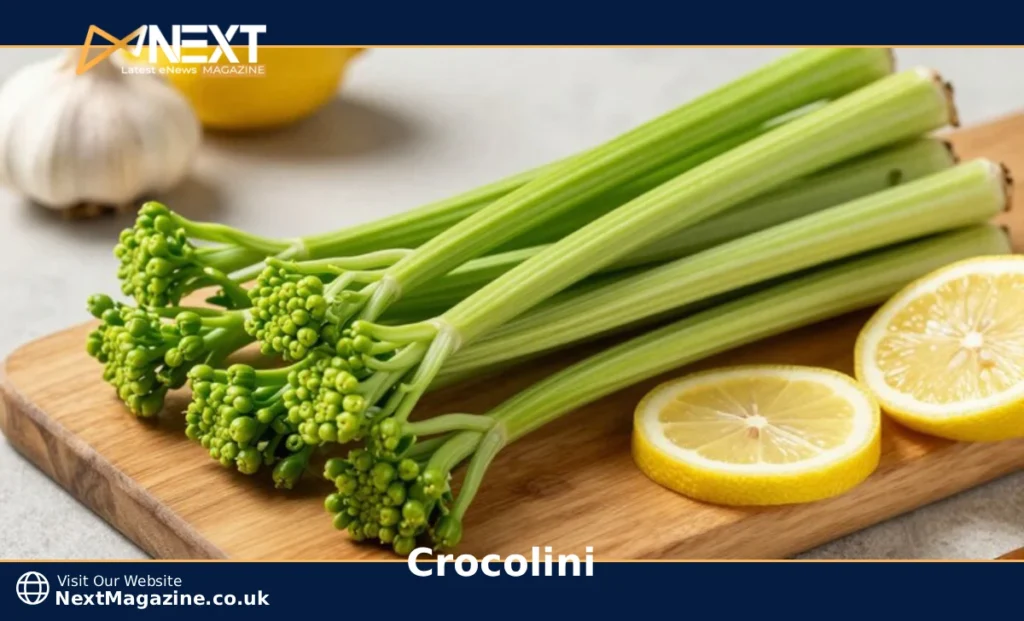
Crocolini (also spelled broccolini) is a hybrid vegetable created by crossing broccoli with Chinese broccoli. It offers a sweeter, milder taste than regular broccoli, with tender stems you can eat entirely. This nutrient-rich green provides vitamins A, C, and K, along with fiber and cancer-fighting compounds like sulforaphane.
What Is Crocolini and Why the Name Confusion
You might see this vegetable labeled as crocolini, broccolini, baby broccoli, or tenderstem broccoli. The correct name is broccolini, but the “crocolini” spelling appears frequently online and in stores.
Broccolini was developed in 1993 by the Sakata Seed Company in Japan. Plant breeders crossed regular broccoli (Brassica oleracea) with Chinese broccoli, also called gai lan (Brassica oleracea var. alboglabra). The result is a vegetable with long, slender stalks topped by small florets.
Unlike regular broccoli, which has thick stems and large, compact heads, broccolini grows as individual spears about six inches long. The entire stalk is tender and edible. You don’t need to peel anything or discard tough parts.
The flavor profile sets it apart, too. Broccolini tastes sweeter and less bitter than regular broccoli, with hints of asparagus. This makes it more appealing to people who typically avoid broccoli’s strong, cabbage-like taste.
Crocolini vs Broccoli: Nutritional Comparison
Both vegetables pack serious nutrition, but they differ in key areas. Here’s how 100 grams (about 3.5 ounces) of raw broccolini compares to regular broccoli:
| Nutrient | Broccolini (per 100g) | Regular Broccoli (per 100g) |
|---|---|---|
| Calories | 29 | 34 |
| Protein | 3.4g | 2.8g |
| Fiber | 3.2g | 2.6g |
| Vitamin C | 64mg (71% DV) | 89mg (99% DV) |
| Vitamin A | 1,207 IU (24% DV) | 623 IU (12% DV) |
| Vitamin K | 141mcg (176% DV) | 102mcg (127% DV) |
| Calcium | 47mg (5% DV) | 47mg (5% DV) |
| Iron | 0.73mg (4% DV) | 0.73mg (4% DV) |
| Folate | 123mcg (31% DV) | 63mcg (16% DV) |
Broccolini delivers more vitamin A, vitamin K, and folate per serving. Regular broccoli edges ahead in vitamin C content. Both provide similar amounts of calcium and iron.
The higher folate content in broccolini makes it particularly valuable for pregnant women and anyone concerned about heart health. Folate helps prevent neural tube defects during pregnancy and lowers homocysteine levels, which reduces cardiovascular disease risk.
Health Benefits Backed by Research
Broccolini belongs to the cruciferous vegetable family, which includes kale, Brussels sprouts, and cauliflower. These vegetables contain unique compounds that offer specific health advantages.
Cancer Prevention Potential Broccolini contains sulforaphane, a sulfur compound that forms when you chew or cut the vegetable. Research published in Cancer Prevention Research (2015) shows sulforaphane may help prevent cancer by blocking enzymes that promote tumor growth. It also activates detoxification enzymes in your liver.
The vegetable also contains indole-3-carbinol, another compound that helps regulate estrogen metabolism. This may reduce the risk of hormone-related cancers.
Heart Health Support: The fiber content in broccolini helps lower LDL cholesterol levels. One cup of cooked broccolini provides about 2.5 grams of fiber, roughly 10% of your daily needs.
Vitamin K plays a crucial role in preventing calcium deposits in arteries. A 100-gram serving gives you more than 100% of your daily vitamin K requirement.
Blood Sugar Regulation: The combination of fiber and chromium in broccolini helps stabilize blood sugar levels. Studies in the Journal of Medicinal Food (2012) found that cruciferous vegetables improve insulin sensitivity in people with type 2 diabetes.
Bone Strength Vitamin K works with calcium to build and maintain strong bones. People who consume adequate vitamin K have lower rates of osteoporosis and fewer hip fractures, according to research in the American Journal of Clinical Nutrition.
Digestive Health: The fiber in broccolini feeds beneficial gut bacteria. This supports healthy digestion, prevents constipation, and may reduce inflammation throughout your body.
How to Select Fresh Crocolini at the Store
Choosing high-quality broccolini ensures better flavor and longer storage life. Look for these signs of freshness:
What to Look For:
- Stems that are bright green and firm, not limp or rubbery
- Small, compact florets with a blue-green color
- Dark green leaves are attached to the stalks
- Uniform size across the bunch (around 6 inches long)
- Fresh-cut ends that look moist, not dried out
What to Avoid:
- Yellow or brown florets (indicates age)
- Limp, bendable stalks
- Flowering buds that have opened completely
- Slimy or wet patches on leaves or stems
- Strong, unpleasant odor
- Cuts, splits, or damage to the stems
You may notice a few small yellow flowers in the bunch. This is normal and acceptable. Having 6-8 yellow flowers per bunch doesn’t affect quality or taste.
Most grocery stores stock broccolini near regular broccoli in the produce section. Farmers’ markets often carry it during spring and fall. Prices typically range from $3 to $5 per bunch, depending on your location and the season.
Best Cooking Methods and Times
Broccolini cooks faster than regular broccoli because of its thinner stems. Overcooking destroys nutrients and turns it mushy. Each method below preserves different qualities.
Roasting for Maximum Flavor
Roasting brings out natural sweetness and creates crispy edges.
Steps:
- Preheat your oven to 425°F (220°C)
- Trim tough stem ends if needed
- Toss broccolini with 1-2 tablespoons olive oil
- Spread in a single layer on a baking sheet
- Season with salt, pepper, and garlic powder
- Roast for 10-12 minutes until edges brown
The high heat caramelizes the natural sugars in broccolini. This method works great when you want crispy texture and concentrated flavor. Avoid overcrowding the pan, which creates steam instead of roasting.
Quick Sautéing for Weeknight Meals
Sautéing takes less than 5 minutes and keeps broccolini crisp-tender.
Steps:
- Heat 2 tablespoons olive oil in a large skillet over medium-high heat
- Add broccolini in a single layer
- Cook without moving for 2 minutes
- Flip and cook for another 2 minutes
- Add minced garlic during the last 30 seconds
- Season with salt and lemon juice
This method preserves the bright green color and maintains a slight crunch. The quick cooking time means minimal nutrient loss.
Steaming to Preserve Nutrients
Steaming retains more water-soluble vitamins than boiling or roasting.
Steps:
- Bring 1 inch of water to a boil in a pot with a steamer basket
- Add broccolini to the basket
- Cover and steam for 3-4 minutes
- Test with a fork (it should pierce easily but still have some resistance)
- Remove immediately and plunge into ice water to stop cooking
Steamed broccolini works well in salads or as a simple side dish. Dress it with olive oil, lemon juice, and a pinch of salt after steaming.
Other Cooking Options:
- Grilling: 3-4 minutes per side over medium-high heat
- Stir-frying: 3-5 minutes in a hot wok with other vegetables
- Blanching: 2-3 minutes in boiling water, then ice bath
Common Cooking Mistakes to Avoid
Even simple vegetables can go wrong. Here’s what trips up most home cooks:
Overcooking: Broccolini turns mushy and loses its vibrant color when cooked too long. It also loses significant amounts of vitamin C and other heat-sensitive nutrients. Pull it off the heat when it’s still slightly crisp.
Boiling instead of Steaming: Boiling leaches nutrients into the water. If you must boil, use minimal water and save the liquid for soups or stocks to recover some nutrients.
Cooking from Cold: Adding broccolini to a cold or lukewarm pan extends cooking time and creates uneven texture. Always preheat your pan or oven before cooking.
Skipping the Ice Bath: After blanching or steaming, broccolini continues cooking from residual heat. An ice bath stops the cooking process immediately and locks in the bright green color.
Not Drying Properly: Water on the surface creates steam when you roast or sauté, preventing browning. Pat broccolini completely dry with paper towels after washing.
Using Too Much Oil: Excess oil makes vegetables greasy and heavy. One to two tablespoons is enough for a full bunch when roasting or sautéing.
Storage Tips and Shelf Life
Proper storage extends freshness and maintains nutritional value.
Refrigerator Storage:
- Place unwashed broccolini in a plastic bag or container
- Poke a few holes in the bag for air circulation
- Store in the crisper drawer
- Use within 3-4 days for best quality
Don’t wash broccolini before storing. Excess moisture encourages bacterial growth and makes it spoil faster. Wash it right before cooking instead.
Signs of Spoilage:
- Slimy texture on stems or leaves
- Strong, unpleasant smell
- Dark brown or black spots
- Completely yellow florets
Freezing for Longer Storage: You can freeze broccolini, but blanch it first to maintain quality:
- Blanch in boiling water for 2 minutes
- Plunge into ice water immediately
- Drain and pat completely dry
- Spread on a baking sheet and freeze until solid
- Transfer to freezer bags
- Use within 8-10 months
Frozen broccolini works best in cooked dishes like stir-fries, soups, or casseroles. The texture won’t be as crisp as fresh.
Quick Recipe Ideas for Busy Weeknights
Garlic Lemon Broccolini (5 minutes) Sauté broccolini in olive oil for 4 minutes. Add minced garlic and red pepper flakes for the last minute. Finish with fresh lemon juice and zest.
Sheet Pan Broccolini with Salmon (15 minutes) Roast broccolini alongside salmon fillets at 425°F. Season both with olive oil, salt, pepper, and lemon slices. Everything cooks in the same time frame.
Broccolini Pasta Toss (12 minutes) Cook pasta according to package directions. During the last 3 minutes, add chopped broccolini to the pasta water. Drain, then toss with olive oil, parmesan, and toasted pine nuts.
Stir-Fried Broccolini (8 minutes) Stir-fry broccolini with ginger, garlic, and soy sauce. Add to fried rice or serve over noodles with sesame seeds.
Broccolini and White Bean Salad (10 minutes) Blanch broccolini for 2 minutes, then combine with canned white beans, cherry tomatoes, red onion, and balsamic vinaigrette.
Roasted Broccolini with Parmesan (15 minutes) Roast broccolini at 425°F for 10 minutes. Sprinkle with grated parmesan and roast for 2 more minutes until cheese melts.
These recipes work for meal prep, too. Make a large batch on Sunday and reheat throughout the week.
The Bottom Line
Broccolini offers a sweeter, more approachable alternative to regular broccoli. Its tender stems and mild flavor make it easier to incorporate into daily meals. The nutritional profile rivals or exceeds that of regular broccoli in several key areas, particularly vitamin A, vitamin K, and folate.
The quick cooking time fits busy schedules. Most methods take less than 15 minutes from start to finish. You can roast, sauté, steam, or grill it with minimal preparation.
If you’ve avoided broccoli because of its bitter taste or tough texture, broccolini might change your mind. The sweeter flavor and completely edible stems remove two common complaints. Kids often prefer it to regular broccoli for the same reasons.
Start with simple preparations like roasting with olive oil and garlic. Once you’re comfortable with basic techniques, experiment with different seasonings and cooking methods. The vegetable pairs well with most proteins and fits into various cuisines, from Italian to Asian dishes.
For the best experience, buy fresh broccolini with bright green stems and compact florets. Cook it just until crisp-tender, not mushy. Store it properly in the refrigerator and use it within a few days.
Whether you spell it crocolini or broccolini, this hybrid vegetable deserves space in your weekly meal rotation.

Maisie Cole
Maisie writes home, lifestyle, and wellbeing articles by researching the practical side of everyday subjects first. She organizes the most relevant information clearly, skipping anything that doesn't actually help the reader. Her pieces stay useful and unfussy — content built to be used, not just skimmed.
View all articles →Get the Weekly Brief
The best guides and stories, delivered every Sunday.