

Table of Contents
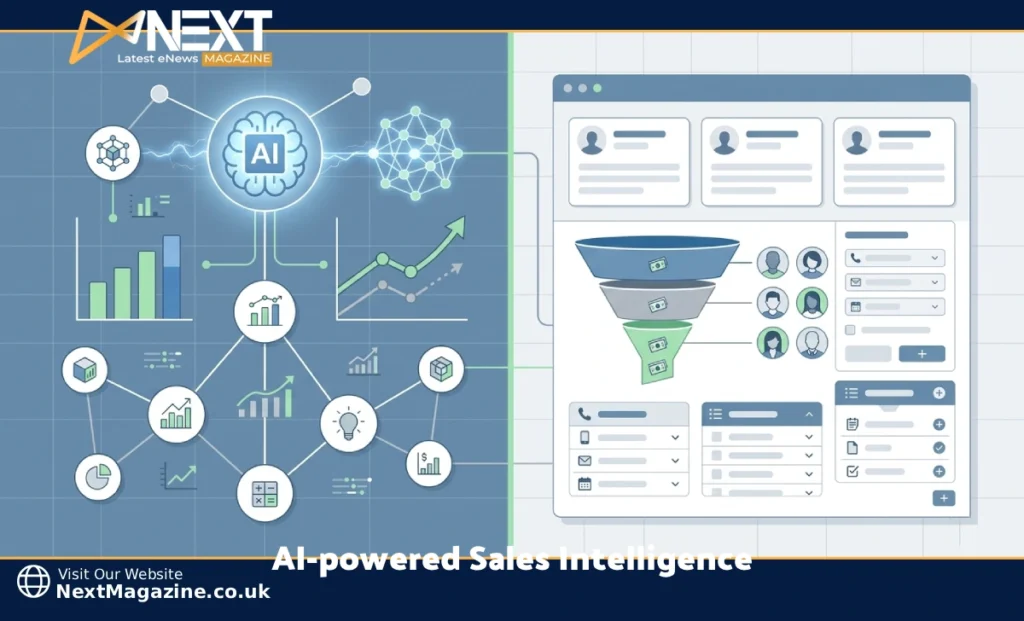
Sales teams constantly seek methods to improve efficiency and close deals more effectively. The debate between using AI-powered Sales Intelligence and traditional CRM systems has gained traction as businesses strive to optimize their strategies.
This article will delve into the key differences between these two technologies, explore how sales intelligence tools can transform sales strategies, examine the strengths and limitations of traditional CRM systems, and provide guidance on choosing the right solution for enhanced sales efficiency.
AI-powered Sales Intelligence and CRM: Key Differences
At the core, AI-powered Sales Intelligence and traditional CRM systems serve different purposes. AI sales tools utilise advanced algorithms to provide predictive analytics, enabling sales teams to forecast outcomes and tailor their approaches. Traditional CRM systems, while crucial for managing customer interactions, lack the dynamic capabilities of AI-driven insights.
For instance, AI systems can analyse data from a Data Lakehouse to provide real-time insights that CRM systems might not. This allows for more agile decision-making and a more personalised customer experience. Traditional CRMs, on the other hand, often rely on static data, which can limit their effectiveness in rapidly changing market conditions.
Moreover, AI-powered tools often integrate seamlessly with Cloud-Native Applications, providing a more cohesive workflow across various platforms. This integration is less common in older CRM systems, which may require manual updates and suffer from compatibility issues. The Future of CRM further highlights these differences in functionality.
How Sales Intelligence Tools Transform Sales Strategies
AI-powered Sales Intelligence tools revolutionize the way sales teams approach their strategies. By leveraging predictive analytics, these tools can identify patterns and trends that may not be immediately apparent. This empowers sales teams to make data-driven decisions, reducing the guesswork traditionally associated with sales forecasting.
These tools utilize Microservices Architecture to ensure scalability and flexibility, allowing businesses to adapt quickly to new challenges. For example, implementing an AI-powered Sales Intelligence solution can lead to a 40% increase in lead conversion rates, as it enables sales teams to identify high-potential leads more effectively.
Furthermore, by integrating with an API Gateway, these tools can access a broader range of data sources, enhancing the accuracy of the insights provided. This capability is particularly beneficial in competitive markets where timely information is crucial. A Harvard Business Review study underscores the transformative impact of AI tools on sales performance.
Traditional CRM: Strengths and Limitations in Sales Performance
Traditional CRM systems offer significant strengths, particularly in managing and maintaining customer relationships. They provide a centralized database for customer information, which aids in tracking interactions and history. This can be particularly useful for businesses with complex sales cycles.
However, the limitations become evident in areas such as predictive analytics and real-time data processing. CRMs often lack the ability to process data from IoT Edge Computing devices, which can provide valuable insights into customer behavior and preferences. Additionally, traditional CRMs might not support the integration of emerging technologies like Blockchain Ledger, which can enhance data security and transparency.
While CRMs are fundamental for storing and organizing customer data, they can hinder a sales team’s agility and adaptability without the advanced analytics capabilities of AI-powered tools. This makes it essential for businesses to weigh the pros and cons carefully when evaluating their tech stack.
Choosing the Right Solution for Enhanced Sales Efficiency
Selecting the appropriate technology for your sales team depends on various factors, including business size, industry, and specific sales goals. Companies with a strong focus on innovation may benefit more from AI-powered Sales Intelligence, given its ability to adapt and provide actionable insights quickly.
For organizations heavily reliant on historical data and complex customer interactions, a traditional CRM might suffice. However, integrating it with AI features can significantly boost its effectiveness. For instance, enhancing a CRM with RPA (Robotic Process Automation) can streamline routine tasks, allowing sales teams to focus on strategic initiatives.
Ultimately, the decision should be guided by current needs and future ambitions. The integration of AI and CRM systems can create a comprehensive sales strategy that leverages the strengths of both, ultimately leading to improved sales performance and efficiency.
Conclusion
Understanding the differences between AI-powered Sales Intelligence and traditional CRM systems is crucial for optimizing sales strategies. AI tools offer predictive insights and adaptability, while CRMs excel in customer relationship management. Evaluating your business needs will guide you in selecting a solution that maximizes performance and drives success.

Leo Richardson
Leo writes technology, digital culture, and consumer guides for readers who want the important part first. He enjoys breaking down unfamiliar subjects into what actually matters before someone dives deeper. His pieces work as a solid starting point — clear, current, and free of unnecessary technical throat-clearing.
View all articles →Get the Weekly Brief
The best guides and stories, delivered every Sunday.