
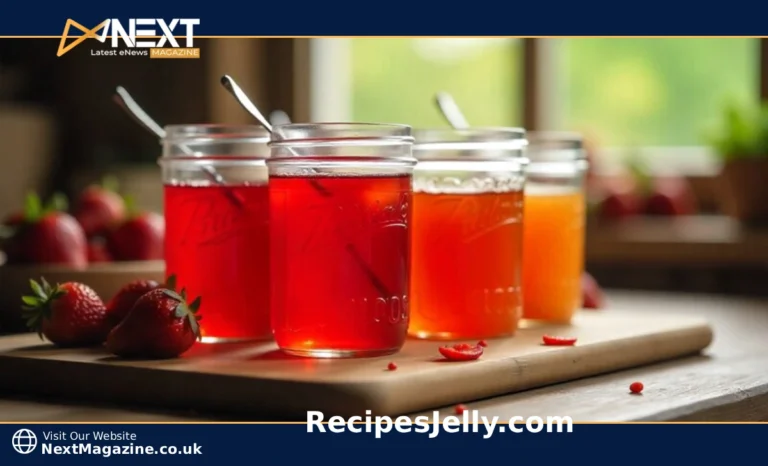
RecipesJelly.com is a comprehensive resource for homemade jelly recipes, techniques, and tutorials. The platform features classic fruit jellies, creative flavor combinations, and step-by-step guides for beginners. You’ll find detailed instructions for water bath canning, freezer methods, and troubleshooting common problems. The site makes jelly making accessible, whether you’re preserving seasonal fruit or creating small batches for gifts.
What RecipesJelly.com Offers Home Cooks
RecipesJelly.com serves as a central hub for anyone interested in making jelly at home. The platform provides tested recipes ranging from traditional grape and strawberry to unique combinations like pepper jelly and herb-infused varieties.
You’ll find recipes organized by fruit type, difficulty level, and preservation method. Each recipe includes ingredient lists, equipment needs, and realistic time estimates. The site caters to both absolute beginners and experienced canners looking to expand their skills.
Beyond recipes, the platform offers practical guides on selecting fruit, understanding pectin, and solving common jelly-making problems. This comprehensive approach helps you move from curious beginner to confident jelly maker.
Understanding Jelly vs Jam vs Preserves
Many people use these terms interchangeably, but they describe different products. Jelly is made from fruit juice only. You strain out all pulp, seeds, and skins to create a clear, smooth spread. The result is translucent with a firm, even texture.
Jam contains crushed or chopped fruit cooked with sugar and pectin. You’ll see fruit pieces throughout, giving it a chunky texture and opaque appearance. Preserves feature whole or large pieces of fruit suspended in syrup or jam.
For jelly specifically, the clarity matters. Proper straining techniques and careful cooking produce that signature jewel-like appearance. This visual quality is part of what makes homemade jelly so appealing as gifts or for your own table.
Essential Equipment for Making Jelly
You don’t need a fully stocked commercial kitchen to make jelly. A large pot (at least 8 quarts) works for cooking fruit and juice. You’ll need a fine-mesh strainer or jelly bag for extracting clear juice. Canning jars with two-piece lids, a jar lifter, and a water bath canner complete the basic setup.
A candy thermometer helps determine when jelly reaches the correct setting temperature (220°F at sea level). Many recipes use this as a reliable indicator rather than guessing. Some cooks prefer the sheet test, where jelly falls off a spoon in a sheet rather than drops when ready.
Budget-Friendly Alternatives
Starting without specialty equipment? Use a large stockpot with a rack in the bottom for water bath canning. Cheesecloth layers create an effective strainer for juice extraction. Regular kitchen tongs can substitute for a jar lifter if you’re careful.
You can make freezer jelly without any canning equipment. This method skips the water bath process entirely. Freezer jelly uses less sugar and takes less time, making it ideal for first attempts. The trade-off is shorter shelf life and freezer storage requirements.
How to Choose the Right Fruit for Jelly
The best jelly fruits contain natural pectin and acid. Apples, grapes, cranberries, and citrus fruits top the list. These set reliably without added pectin, though most modern recipes add it anyway for consistency.
Slightly underripe fruit contains more pectin than fully ripe fruit. Mix about 25% underripe fruit with 75% ripe fruit for optimal results. This combination provides enough pectin for setting while maintaining good flavor.
Strawberries, peaches, and cherries have low natural pectin. These fruits need commercial pectin added. The recipes you find will specify amounts. Don’t skip this ingredient or try to substitute, as it affects the final set.
Fresh fruit produces better flavor than frozen, but frozen works when fresh isn’t available. Avoid canned fruit, as it lacks the pectin and acid balance needed for proper jelling.
The Role of Pectin in Jelly Making
Pectin is a natural fiber in fruit that causes jelling when combined with sugar and acid. It forms a network that traps liquid, creating the firm texture you expect from jelly.
Commercial pectin comes in two main forms: liquid and powdered. Liquid pectin gets added after cooking, while powdered pectin goes in at the beginning. These aren’t interchangeable in recipes. The recipe will specify which type to use.
Regular pectin requires a full sugar amount (usually a 1:1 ratio of juice to sugar). Low-sugar and no-sugar-needed pectins use different formulations. These let you reduce sugar significantly while still achieving a good set. The texture differs slightly, with lower-sugar versions having a softer set.
Some traditional recipes skip commercial pectin entirely. These require longer cooking times and work best with high-pectin fruits. The process demands more attention but produces excellent results with a more intense fruit flavor.
Basic Jelly Making Process Step by Step
Start by extracting juice from your chosen fruit. Wash and prepare fruit, removing stems and bad spots but keeping skins and cores (they contain pectin). Cook fruit with minimal water until soft, then strain through cheesecloth or a jelly bag. Don’t squeeze the bag, or you’ll get cloudy jelly.
Measure your juice carefully. Most recipes are precise about quantities. Mix juice with pectin (if using powdered type) in a large pot. Bring to a hard boil that can’t be stirred down.
Add sugar all at once and return to a full rolling boil. Boil for the time specified in your recipe, usually 1-4 minutes depending on the pectin type. Remove from heat and skim off any foam with a metal spoon.
Pour jelly immediately into sterilized jars, leaving 1/4 inch headspace. Wipe rims clean, apply lids, and process in a boiling water bath for 5-10 minutes (time varies by recipe and altitude).
Remove jars and let cool undisturbed for 12-24 hours. You’ll hear the lids pop as they seal. Check seals by pressing the center of each lid. Sealed lids won’t move. Store sealed jars in a cool, dark place for up to one year.
Water Bath Canning vs Freezer Storage
Water bath canning creates shelf-stable jelly that stores at room temperature for up to a year. The process involves submerging filled jars in boiling water to create an airtight seal. This method requires more equipment and time but offers long-term storage without refrigeration.
Freezer jelly skips the hot water processing. You cook the jelly, pour it into containers, let it set at room temperature for 24 hours, then freeze. This method takes 30 minutes instead of 2 hours. The jelly stays fresh for up to one year frozen, or 3 weeks refrigerated once thawed.
Choose water bath canning when you want gift-able jars, long-term pantry storage, or traditional preservation. Select freezer jelly for quick batches, reduced sugar content, or when you lack canning equipment.
Your storage choice affects recipe selection. Freezer jelly recipes often use less sugar and different pectin types. Make sure you’re following the correct recipe for your chosen method.
Common Jelly Problems and Quick Fixes
Jelly that won’t set is the most frequent complaint. Causes include insufficient pectin, too little acid, or inadequate cooking time. You can recook failed batches by adding more pectin and reboiling according to package directions.
Crystals in jelly usually come from too much sugar or undissolved sugar granules. Prevent this by measuring accurately and stirring thoroughly until all sugar dissolves. Some fruits naturally form crystals during storage. This is harmless but affects the texture.
Cloudy jelly results from squeezing the jelly bag during straining or using overripe fruit. The jelly is safe to eat, but lacks that clear appearance. Next time, let juice drip naturally without pressing.
Mold on jelly means improper sealing or storage. Discard any jars with mold. Don’t just scrape it off, as mold roots extend into the jelly. Prevent mold by ensuring proper sealing during canning and storing in cool, dark conditions.
Popular Jelly Recipes to Start With
Grape jelly remains the classic choice for beginners. It has high natural pectin, sets reliably, and offers a familiar flavor. Most recipes use Concord grapes for their intense taste and deep purple color.
Strawberry jelly delivers bright flavor and beautiful color. This low-pectin fruit requires added pectin but produces consistent results. The recipe works well for both canned and freezer methods.
Apple jelly works as a base for variations. Plain apple jelly tastes mild and pairs well with additions like cinnamon or mint. The high pectin content makes it forgiving for first-timers.
Pepper jelly has gained popularity as a sweet-savory option. It combines fruit juice (often apple) with hot peppers for a versatile condiment. Serve it with cream cheese and crackers, or use it as a glaze for meat.
Herb jellies like mint or basil create sophisticated spreads for cheese plates. These typically use apple juice as a base with fresh herbs steeped in the mixture.
Creative Ways to Use Homemade Jelly
Beyond spreading on toast, jelly serves multiple purposes in the kitchen. Use it as a glaze for roasted meat. Brush pepper jelly on chicken or pork during the last few minutes of cooking for a sweet-spicy finish.
Mix jelly into vinaigrettes for salads. A spoonful of berry jelly adds sweetness and helps emulsify oil and vinegar. This works especially well with bold greens like arugula or spinach.
Layer jelly in desserts. Swirl it into cheesecake batter, spread between cake layers, or dollop on ice cream. The concentrated fruit flavor intensifies any dessert without extra liquid.
Create cocktail syrups by thinning jelly with hot water. Use these in mixed drinks or mocktails. Pepper jelly makes an interesting addition to margaritas.
Give homemade jelly year-round. Create custom labels, pair jars with fresh bread or scones, or assemble jelly-tasting collections. Homemade jelly costs less than store-bought gourmet versions while offering superior quality.
