
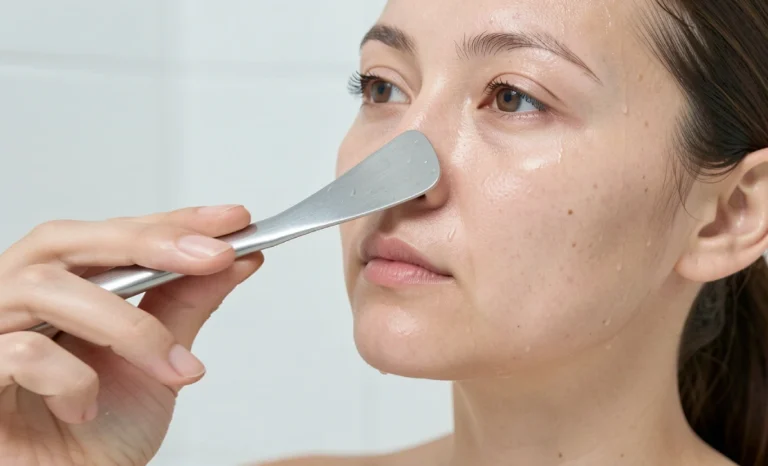
Blackheads can be frustrating because they seem easy to fix but often get worse with the wrong approach. For a long time, squeezing felt like the fastest solution. It gave the impression that something was being removed right away. But over time, that habit often left skin looking red, irritated, and uneven. That is why many people are now looking for gentler tools that support a more consistent skincare routine. One option that keeps coming up is the Ultrasonic Skin Scrubber.
I started paying more attention to this tool after realizing that aggressive extraction was doing more harm than good. Instead of forcing clogged pores out with pressure, I wanted a method that felt cleaner, less harsh, and easier to repeat weekly. That is where an ultrasonic skin spatula routine became more appealing. It offered a way to focus on pore care, surface buildup, and smoother-looking skin without turning every mirror session into a battle.
Why Squeezing Blackheads Often Backfires
Squeezing blackheads may seem effective in the moment, but it can create problems that are harder to deal with later. The pressure from fingers or metal extractors can irritate the skin around the pore, especially on the nose, chin, and forehead where congestion is common. In many cases, people end up pushing debris deeper, scratching the surface, or causing inflammation that lingers longer than the blackhead itself.
Another issue is inconsistency. Some blackheads come out easily, while others do not. That can lead to repeated picking, overworking the same area, and damaging the skin barrier. Even when the pore looks clear for a day or two, the surrounding redness can make the skin appear worse overall. For anyone trying to improve texture and clarity, that trade-off is not always worth it.
What an Ultrasonic Skin Scrubber Actually Does
An Ultrasonic Skin Scrubber is a handheld skincare device designed to help remove surface debris, excess oil, and dead skin cells through high-frequency vibrations. It is often called an ultrasonic skin spatula because of its flat metal tip, which glides across damp skin.
The goal is not to dig into pores or perform aggressive extractions. Instead, the device works best as part of a gentle exfoliation routine. When used correctly, it can help loosen buildup sitting near the surface, especially in areas prone to congestion. Many people also use it to improve the feel of their skin before applying serums or moisturizers.
That difference matters. Squeezing relies on force. An ultrasonic skin device supports a more controlled method that fits into regular skincare without the same level of trauma.
Why I Switched to an Ultrasonic Skin Spatula Routine
The biggest reason I changed my approach was simple: I was tired of making my skin look worse while trying to make it look better. Blackhead squeezing became a habit, especially when I noticed clogged pores under bright bathroom lighting. But the result was almost always the same. My skin felt sore, looked blotchy, and sometimes became dry from overhandling.
Using an ultrasonic skin spatula felt different from the start. The routine was calmer and more intentional. Instead of standing in front of a mirror picking at every pore, I used the device on clean, damp skin once or twice a week. I noticed that my skin felt smoother afterward, and I was less tempted to squeeze anything manually. That alone made the switch worthwhile.
Over time, this approach also helped me focus on maintenance rather than quick fixes. Blackheads did not disappear overnight, but my skin looked more balanced because I stopped irritating it so often.
How to Use an Ultrasonic Skin Scrubber in a Smarter Way
A good routine starts with cleansing. Skin should be free of makeup, sunscreen, and heavy oil before using the device. The face also needs to stay damp, because the Ultrasonic Skin Scrubber works better when it glides over moist skin rather than dry areas.
Start With Freshly Cleansed, Damp Skin
After washing the face, keep the skin slightly wet with water or a gentle mist. This helps the skin spatula move more smoothly and reduces drag. Many first-time users make the mistake of letting the face dry too much before starting.
Focus on Congested Areas First
The nose, chin, and central forehead are often the best places to begin. These areas usually collect more oil and dead skin cells. Use light pressure and slow movements. There is no need to scrape hard. The tool should support the skin, not fight it.
Keep the Routine Short and Consistent
One reason this method works better than squeezing is that it encourages moderation. A few minutes once or twice a week is often more helpful than daily overuse. Consistency matters more than intensity when dealing with clogged pores and rough texture.
Ultrasonic Skin Scrubber vs Manual Extraction
The biggest difference between an Ultrasonic Skin Scrubber and manual blackhead extraction is how each method treats the skin. Manual squeezing is reactive. It usually happens when someone sees a visible blackhead and wants it gone immediately. That urgency often leads to excessive pressure.
An ultrasonic skin device is more preventive. It fits into a routine focused on gentle exfoliation and ongoing care. It may not create the dramatic feeling of instant extraction every time, but it is often a better long-term choice for people who want smoother skin with less irritation.
This is especially important for beginners, students, or anyone building a simple home skincare routine. A skin scrubber can feel easier to manage because it encourages technique and patience rather than force.
What Changed After I Stopped Squeezing
The most noticeable change was less redness. My skin did not look as angry after dealing with congestion, and that alone made a big difference in how clear it appeared. I also noticed fewer marks from picking, especially around the nose where I used to press too hard.
Another improvement was mindset. I stopped chasing perfect pores and started aiming for healthier-looking skin overall. That shift made my routine more sustainable. The ultrasonic skin spatula became a tool for maintenance, not a dramatic rescue step.
Conclusion
Switching from squeezing blackheads to using an Ultrasonic Skin Scrubber was less about following a trend and more about treating my skin with more patience. Squeezing may feel satisfying for a moment, but it often leads to irritation, redness, and repeated damage. An ultrasonic skin spatula routine offers a gentler way to manage surface buildup, support clearer-looking pores, and reduce the urge to pick at the skin.
For anyone stuck in the cycle of squeezing and regretting it later, this change can be surprisingly helpful. The results may be more gradual, but the skin often looks calmer, smoother, and healthier over time.
FAQs
Can an Ultrasonic Skin Scrubber remove blackheads completely?
An Ultrasonic Skin Scrubber can help loosen surface buildup and support cleaner-looking pores, but it does not guarantee complete removal of every blackhead. It works best as part of a consistent skincare routine.
Is an ultrasonic skin spatula better than squeezing blackheads?
For many people, yes. An ultrasonic skin spatula is usually a gentler option because it reduces the pressure and irritation that often come with manual squeezing.
How often should I use an Ultrasonic Skin Scrubber?
Most people do well using it once or twice a week on damp, freshly cleansed skin. Overusing any exfoliating tool can irritate the skin, so a steady routine is usually better than frequent sessions.
Can beginners use an ultrasonic skin device at home?
Yes, beginners can use an ultrasonic skin device at home if they follow instructions carefully, use light pressure, and avoid overworking sensitive areas.
