
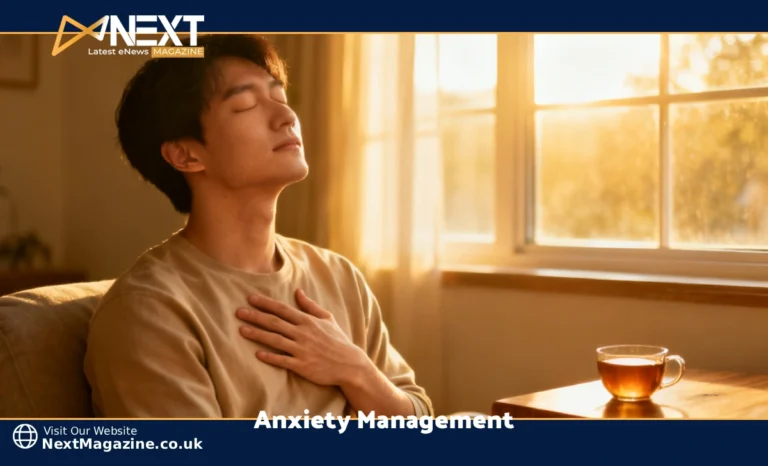
We all have those moments. The chest tightens for no obvious reason. The mind starts running through every possible “what if.” Maybe it happens before a big meeting, or sometimes for no reason at all—just a quiet Tuesday afternoon.
If that sounds familiar, you’re not broken. You’re not weak. You’re just human.
I’ve learned over time that anxiety doesn’t go away because you tell it to. It responds to small, steady actions you take daily. This article walks through what actually helps—not magic fixes, not one-size-fits-all advice. Just real tools for anxiety management you can start using today.
Understanding Anxiety and Stress
Let’s clear something up first: stress and anxiety get mixed up all the time, but they’re not the same thing.
Stress usually has a trigger. A deadline. A tough conversation. A packed schedule. Once that thing passes, stress tends to ease up. Anxiety tends to stick around even after the stressful moment is gone. It’s that low-level worry that doesn’t always need a reason—it just shows up.
Short-term anxiety is your brain trying to protect you. But long-term, untreated anxiety can quietly wear on your sleep, your digestion, even your immune system. Over the years, if it goes unaddressed, it can snowball into things like burnout, chronic fatigue, or ongoing sleep problems. That’s not meant to scare you—it’s just worth knowing the stakes so you take it seriously early on.
Here’s the core truth worth holding onto: you don’t have to eliminate anxiety to feel better. You just need to learn how to respond to it differently.
Practical Tips for Anxiety Management
When I first started looking for help, I wanted one perfect trick that would fix everything. Spoiler: that doesn’t exist. What does exist are several small, reliable methods that actually work in real life—not just in theory.
You try a few. You keep what fits. You ditch what doesn’t.
Deep Breathing Techniques
It sounds almost too simple, but breathing genuinely changes your nervous system in real time. When you’re anxious, breaths get short and shallow. That tells your brain: danger. Slow, deep belly breathing sends the opposite signal: you’re okay.
Try box breathing:
- Inhale for 4 seconds
- Hold for 4 seconds
- Exhale for 4 seconds
- Pause for 4 seconds
I tried this during a particularly rough panic moment once—sitting in a parking lot, unable to go inside. Two minutes of box breathing didn’t cure anything, but it gave me enough ground under my feet to get out of the car. That’s what it does. It’s not a cure. It’s a lifeline in the moment.
Grounding Exercises
Have you ever felt like you’re kind of floating outside your own body? Like you’re watching yourself from a slight distance? That’s a common anxiety symptom, and grounding is what brings you back.
Try the 5-4-3-2-1 method:
- Name 5 things you can see
- Name 4 things you can touch
- Name 3 things you can hear
- Name 2 things you can smell
- Name 1 thing you can taste
It forces your brain to land in the present moment. And the present—right here, right now—is almost always safer than wherever your mind is trying to drag you.
If this feels awkward at first, that’s completely normal. Try it just once the next time you feel off. Even a minute of it helps.
Physical Activity and Exercise
Here’s a contrarian angle worth mentioning: some people swear by hard, intense exercise for managing stress. For others, it actually backfires—spikes adrenaline, leaves them more jittery. So if a tough workout makes your anxiety worse, that’s not a personal failure. It just means intense exercise isn’t your tool.
Try gentle movement instead. A 15-minute walk outside. Light stretching. Slow yoga. The goal isn’t to exhaust yourself—it’s to remind your body that you’re moving through life, not frozen in place bracing for impact.
Over the long term, people who build consistent low-pressure movement into their weeks tend to have fewer intense anxiety flare-ups. Not zero. Just fewer. That compound effect builds quietly over months and years.
Mindfulness and Meditation
I used to roll my eyes at meditation. Sit still and think about nothing? Impossible.
But here’s the thing—mindfulness isn’t about emptying your mind. It’s about noticing what’s there without panicking about it. That’s a completely different task.
If meditation feels strange at first, try this: Start with just one minute. Breathe and watch your thoughts like they’re cars passing on a street. You’re not trying to stop them. You’re just noticing them.
That shift—from I’m trapped in this thought to oh, there’s that thought again—is where real coping with anxiety starts to feel possible.
Lifestyle Changes to Reduce Anxiety
You can breathe and ground yourself all day, but if your daily routine is constantly working against you, anxiety will keep coming back. These are the slower, less glamorous changes that actually build real resilience over time.
Prioritizing Sleep
Here’s something I wish someone had told me earlier: a bad night of sleep doesn’t just make you tired. It makes you significantly more anxious the next day. Sleep and anxiety feed on each other in a cycle that’s hard to break once it starts.
Protect your wind-down time. No screens for 30–60 minutes before bed. Dim the lights. Keep a consistent bedtime, even on weekends. It won’t fix everything overnight, but six months of better sleep shifts your baseline anxiety management more than most people expect.
Healthy Eating Habits
Blood sugar dips and caffeine spikes can feel a lot like anxiety. Sometimes you think something is seriously wrong, but your body is just hungry or over-caffeinated.
That’s not to say diet cures anxiety—it doesn’t. But if you notice you feel jittery after coffee or panicky before lunch, those are easy places to experiment. Small, balanced meals. More water. Less caffeine in the afternoon. Think of them as little experiments, not strict rules.
Limiting Caffeine and Alcohol
Caffeine revs your nervous system. Alcohol sedates it—then causes a rebound anxiety spike hours later, sometimes lasting into the next day. Neither is inherently “bad.” But during seasons of high anxiety, they might be quietly working against you.
Worth noting: some people manage their anxiety just fine while drinking coffee daily. Bodies are different. But if your stress relief techniques aren’t sticking and you’re still drinking heavily caffeinated drinks throughout the day, that’s worth experimenting with. Even cutting back slightly—half-caff coffee, one drink instead of two—can make the other tools actually land.
When to Seek Professional Help
Self-help is real and valuable. But sometimes you need backup, and knowing when to ask for it matters.
If anxiety is getting in the way of work, relationships, or basic daily things like eating, sleeping, or leaving the house, that’s a clear sign to talk to someone. A therapist, a counsellor, or even your regular doctor is a good starting point.
Therapy—especially CBT (cognitive behavioural therapy)—has a strong track record for reducing anxiety. Medication, for those who need it, isn’t failure. It’s a tool. You wouldn’t judge someone for wearing glasses to see clearly. The same idea applies here.
A question worth sitting with: If a close friend felt the way I feel right now, would I encourage them to get help? If the answer is yes, maybe it’s time to take your own advice.
Final Thoughts
You don’t have to figure all of this out today. Pick one small thing. Breathe deeply for two minutes. Try grounding once. Go for a short walk after dinner. That’s how daily anxiety tips actually work—not in one heroic moment, but in a thousand small, kind choices made over time.
Progress looks quiet from the inside. That doesn’t mean it isn’t happening.
Disclaimer: This article is for informational purposes only and does not constitute medical advice. If you are experiencing severe or persistent anxiety symptoms, please consult a qualified healthcare professional or mental health provider.
