

Table of Contents
- 3D Digital Breast Tomosynthesis Systems
- Contrast-Enhanced Mammography Systems
- Automated Breast Ultrasound Systems
- AI-Powered Imaging Analysis Systems
- Digital Breast MRI Systems
- Molecular Breast Imaging Systems
- Portable Breast Imaging Systems
- Low-Dose Digital Mammography Systems
- Integrated Imaging Workflow Systems
- Real-Time Imaging and Reporting Systems
- Cloud-Based Breast Imaging Systems
- Future-Ready Adaptive Imaging Systems
- Hybrid Imaging Systems for Comprehensive Breast Assessment
- Discover Next-Gen Imaging Systems for Better Breast Health Outcomes
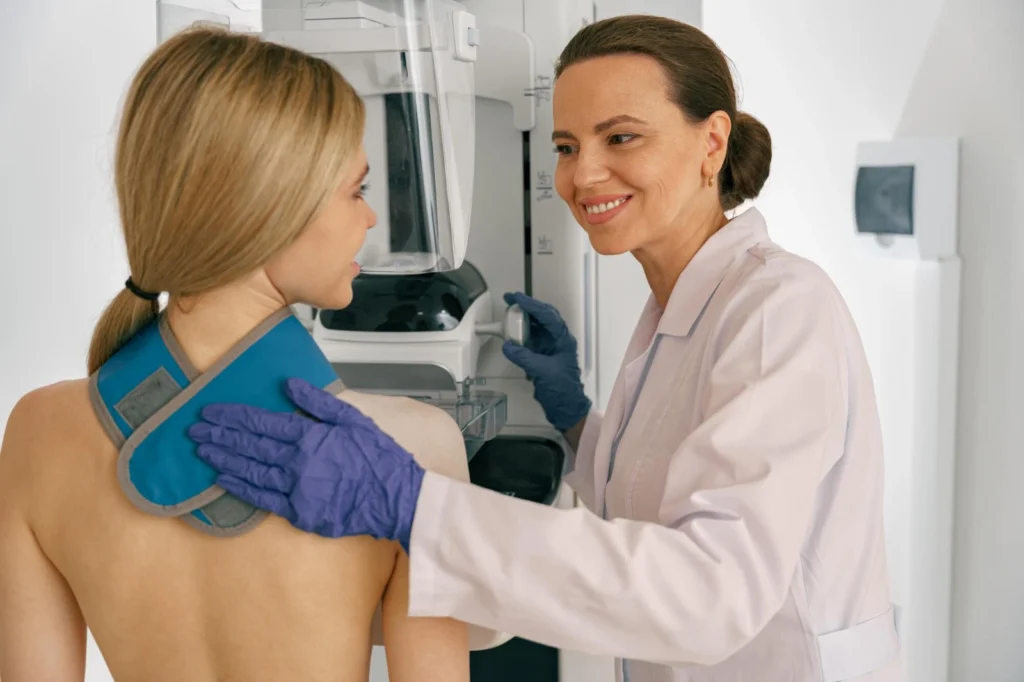
Early detection remains key in improving breast health outcomes. Many healthcare providers are upgrading their tools to keep up with rising demands. Better imaging leads to clearer results and faster decisions.
Patients also expect more accurate and less stressful screening experiences. New systems are designed to support both clinical teams and patient comfort. This shift is driving the use of next-gen imaging systems across many facilities.
Explore how next-gen imaging systems are shaping better care in the sections below.
3D Digital Breast Tomosynthesis Systems
3D digital breast tomosynthesis systems provide layered images of breast tissue. These layers help doctors see structures more clearly. It reduces the overlap that can hide abnormalities, and this system improves early detection of small tumors.
Patients often need fewer follow-up scans. The process is quick and delivers detailed results. Radiologists gain better confidence in their readings.
Clinics improve accuracy in screening programs. This system is now a strong standard in modern breast imaging.
Contrast-Enhanced Mammography Systems
Contrast-enhanced mammography systems use a special dye to highlight blood flow. This helps identify areas that may need attention. Tumors often show increased blood supply.
The system makes these areas more visible. It adds another layer of detail to standard imaging. Patients benefit from more precise results.
Doctors can better assess suspicious findings. This reduces unnecessary procedures. It supports more accurate diagnosis and planning.
Automated Breast Ultrasound Systems
Automated breast ultrasound systems scan the entire breast with consistency. They are useful for patients with dense breast tissue. Dense tissue can make detection harder with standard methods.
This system improves visibility in such cases. It captures detailed images without relying on manual scanning. Results are more consistent across patients.
Radiologists can review complete data sets easily. It also supports early detection efforts. Clinics can offer more inclusive screening options.
AI-Powered Imaging Analysis Systems
AI-powered imaging analysis systems assist with detecting patterns. They review images quickly and highlight areas of concern, and this supports radiologists in decision-making. It reduces the chance of missing subtle findings.
AI also helps manage large volumes of scans. Results can be delivered faster to patients. Continuous learning improves system accuracy over time.
It adds value to clinical workflows. Combining AI with human expertise improves outcomes.
Digital Breast MRI Systems
Digital breast MRI systems provide high-resolution images of soft tissue. They are often used for high-risk patients. This system detects changes that other methods may miss.
It does not rely on radiation. Instead, it uses magnetic fields and contrast agents. The results offer detailed insights into breast structure.
Doctors can assess complex cases with confidence. It supports early and accurate diagnosis. This system plays a key role in advanced screening.
Molecular Breast Imaging Systems
Molecular breast imaging systems focus on cellular activity. They detect how breast tissue functions, not just structure, and this helps identify abnormal cell behavior. It is useful for detecting cancers in dense tissue.
The system provides functional imaging data. Doctors gain a deeper understanding of suspicious areas. Patients benefit from more targeted evaluations.
It can reduce false negatives in screening. This system adds another layer to diagnostic tools.
Portable Breast Imaging Systems
Portable breast imaging systems bring flexibility to care delivery. They can be used in remote or underserved areas. This improves access to screening services.
Patients do not always need to travel to large facilities. The systems are compact but still effective. They deliver reliable imaging results.
Clinics can expand outreach programs easily. Early detection becomes more accessible to more people. This supports wider public health goals.
Low-Dose Digital Mammography Systems
Low-dose digital mammography systems focus on patient safety. They reduce radiation exposure while maintaining image quality. This is important for routine screenings.
Patients feel more confident with safer procedures. The system uses advanced processing to enhance images. It balances safety and accuracy effectively.
Clinics can meet strict safety guidelines. Regular screenings become less stressful for patients. This encourages consistent health monitoring.
Integrated Imaging Workflow Systems
Integrated imaging workflow systems connect different technologies. They allow smooth data sharing across platforms. Staff can access images and reports quickly, and this reduces delays in patient care.
Efficient workflows improve clinic productivity. It also lowers the chance of errors.
Systems like mammography pacs support organized image management, and this helps streamline operations in busy environments. Better workflows lead to faster and more reliable care.
Real-Time Imaging and Reporting Systems
Real-time imaging and reporting systems provide immediate feedback. Doctors can review scans as they are taken, and this allows quick adjustments if needed. Patients may avoid repeat visits.
Faster reporting reduces anxiety for patients. Clinics improve turnaround times for results. Communication between teams becomes smoother.
It supports timely treatment decisions. Real-time systems improve both care and efficiency.
Cloud-Based Breast Imaging Systems
Cloud-based breast imaging systems store data securely online. They allow easy access from different locations. Specialists can review images remotely when needed, and this supports collaboration across teams.
Data is backed up and protected against loss. Clinics reduce the need for large physical storage. Updates can be applied without system downtime.
It improves flexibility in managing patient data. Cloud systems support modern healthcare needs.
Future-Ready Adaptive Imaging Systems
Future-ready adaptive imaging systems are built for ongoing upgrades. They can integrate new features as technology evolves. This keeps clinics up to date with minimal disruption.
Patients benefit from the latest advancements in care. Systems remain efficient over time. Facilities can scale services as demand grows.
Investment in adaptive systems supports long-term goals. Continuous improvement leads to better outcomes. These systems ensure readiness for future healthcare needs.
Hybrid Imaging Systems for Comprehensive Breast Assessment
Hybrid imaging systems combine multiple technologies into one platform. This allows doctors to view both structure and function in a single scan. It improves the ability to detect complex cases early.
Patients benefit from fewer separate appointments. The system reduces the need for multiple imaging sessions. Results are more complete and easier to interpret.
Radiologists can make more informed decisions. Clinics improve efficiency with combined tools. This system supports a more complete and accurate approach to breast health.
Discover Next-Gen Imaging Systems for Better Breast Health Outcomes
Next-gen imaging systems are changing how breast health is managed. They improve accuracy, safety, and patient experience. Clinics gain better tools to support daily operations.
Patients benefit from faster and more reliable results. These systems support early detection and better treatment planning.
As technology continues to grow, so does the quality of care
. Investing in better imaging leads to stronger health outcomes.

Freya Lawson
Freya writes health, lifestyle, and wellbeing content with careful research and a healthy suspicion of exaggerated claims. She favors accessible language over jargon and useful context over hype, treating readers as capable of handling nuance. Her work sits comfortably apart from the more sensational corners of wellness writing.
View all articles →Get the Weekly Brief
The best guides and stories, delivered every Sunday.