

Table of Contents
- Classic and Timeless Gowns
- 1. Floor-Length Black Tie Evening Gown
- 2. Strapless Column Gown
- 3. Off-Shoulder Gown
- 4. Classic Little Black Dress
- Rich Fabrics and Sparkle
- 5. Velvet Midi Dress
- 6. Sequin Dress for Opening Night
- 7. Rich Red Dress
- 8. Lace Overlay Dress
- Modern and Tailored
- 9. Tailored Tuxedo Trouser Suit
- 10. Silk Slip Dress with a Tailored Blazer
- 11. Elegant Evening Jumpsuit
- 12. Velvet or Satin Two-Piece Co-ord
- Romantic and Versatile
- 13. Elegant Wrap Dress
- 14. Cape Gown
- 15. Satin Skirt and Silk Blouse
- What Is the Dress Code for the Opera?
- How to Stay Warm and Comfortable at the Opera
- Frequently Asked Questions
- Is there a strict dress code at the opera?
- Can I wear trousers or a jumpsuit to the opera?
- What length dress is best for the opera?
- Can I wear flat shoes to the opera?
- What should I do about the cold inside the opera house?
- Final Thoughts
An opera night calls for something special, and the right opera outfit sets the tone before the curtain even rises. The lights dim, the music starts, and every eye in the house takes in the room. What you wear is part of that magic.
The good news is that opera dressing is simpler than it looks. Most opera houses today have no strict dress code, so a floor-length gown, a smart cocktail dress, or a tailored suit can all work. The key is to match your outfit to the occasion, a matinee, a standard evening, or a gala.
This guide brings together 15 elegant opera outfit ideas, from floor-length gowns and velvet dresses to tailored suits and sequins. Each idea explains what to wear, which fabric to choose, and how to finish the look. Pick the one that suits your night, your venue, and your own style.
Classic and Timeless Gowns
1. Floor-Length Black Tie Evening Gown
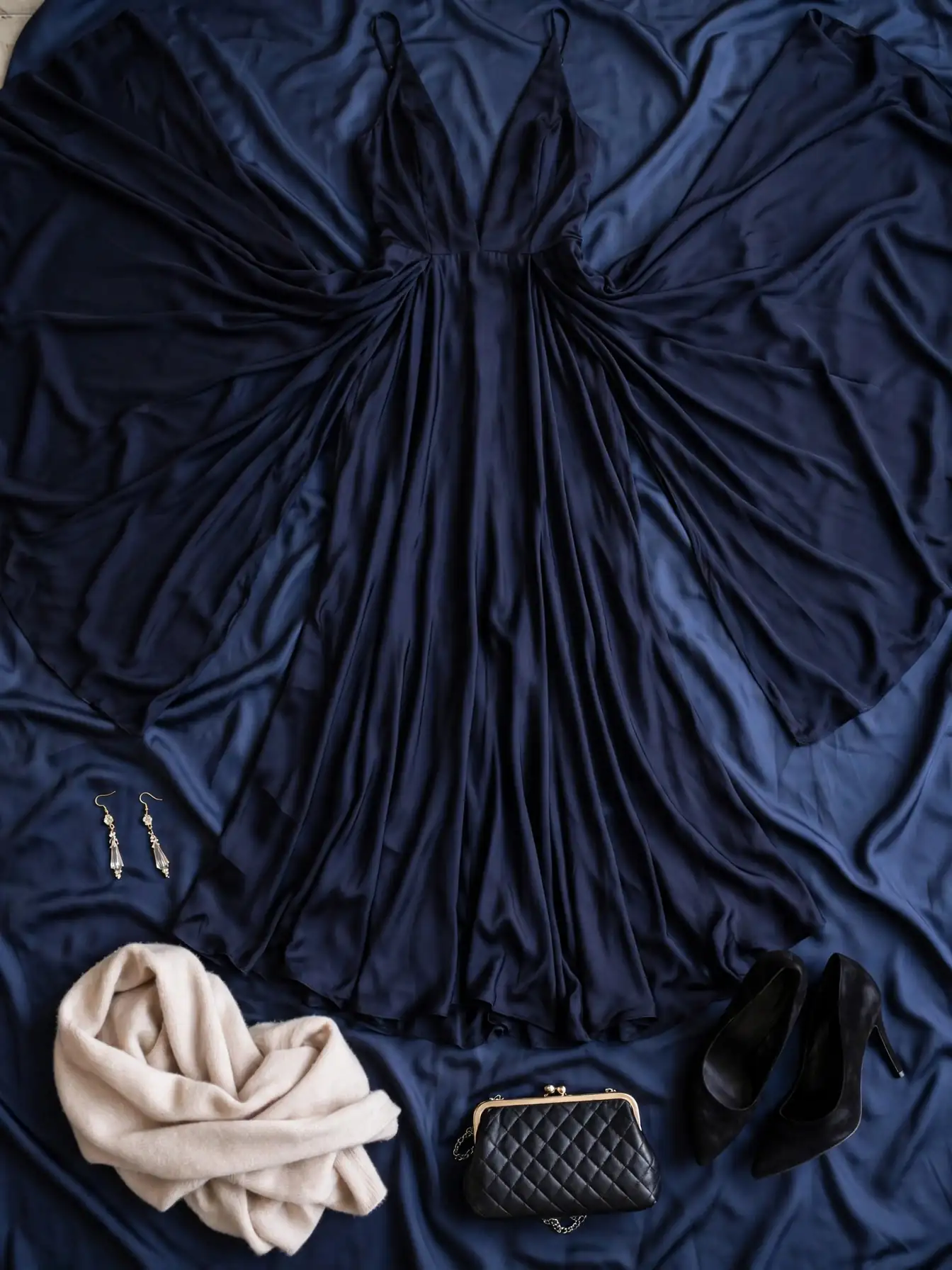
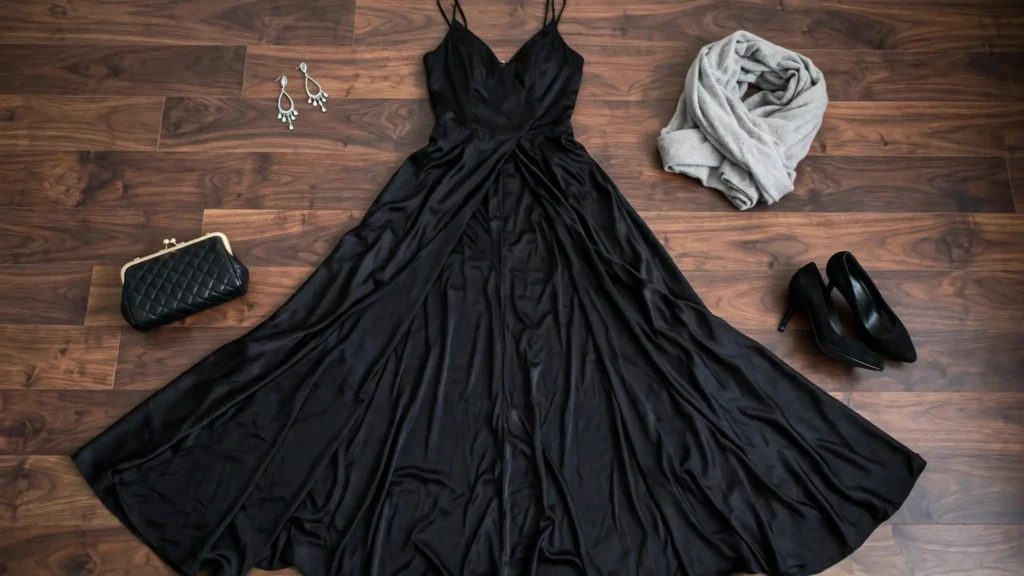
Opening night calls for the fullest version of opera dressing, and this gown delivers it. Choose silk, satin, chiffon, or structured crepe in midnight navy, forest green, burgundy, or black. The floor-skimming length suits black tie, so keep the shoes heeled and the bag small. Add drop earrings and a soft wrap for the walk from the car to your seat.
2. Strapless Column Gown
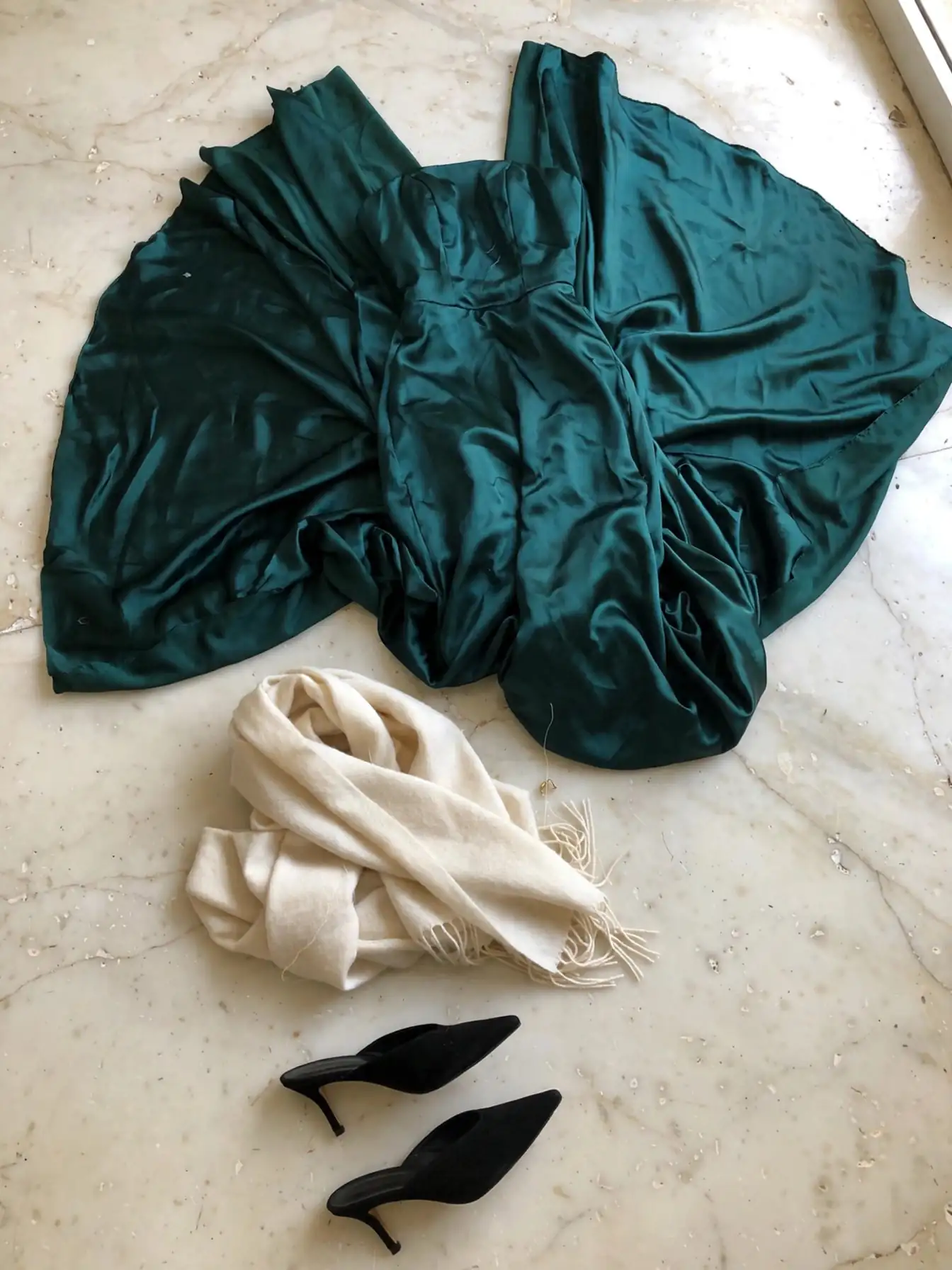
A clean vertical line is what makes this gown so striking. The long, close fit runs straight from shoulder to floor, so the shape stays sleek all evening. Pick a structured fabric such as silk faille, duchess satin, or crepe to hold the line. A stole or wrap keeps your shoulders warm in the cold auditorium, and simple heels finish the look.
3. Off-Shoulder Gown
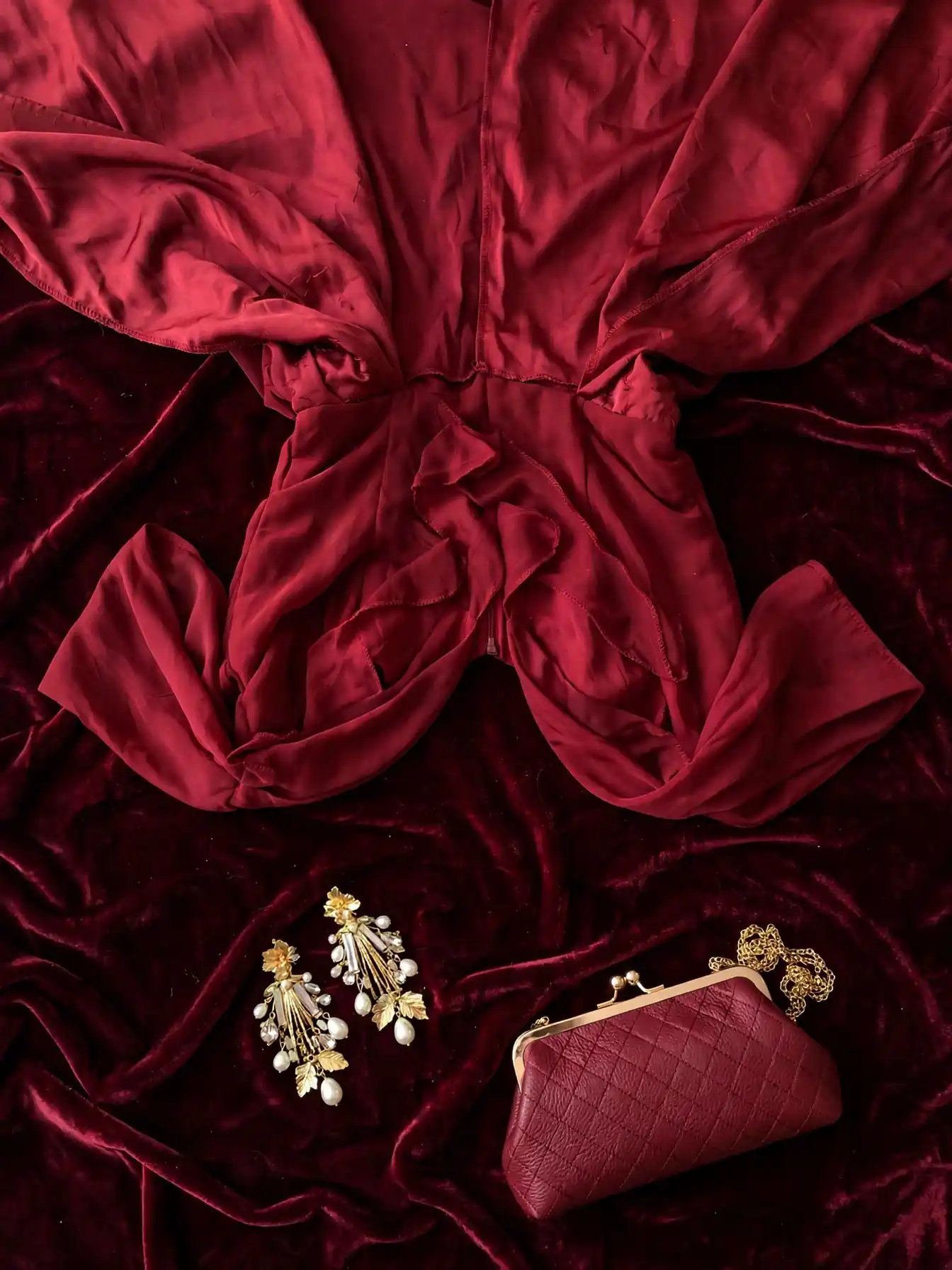
The neckline does the talking in this look. An off-shoulder or one-shoulder cut frames the collarbone and draws the eye upward, so let a pair of statement earrings take the lead. Choose a rich colour such as deep red, midnight blue, or bottle green in a flowing fabric. Keep the hair swept up and the clutch small so the shoulder line stays clear.
4. Classic Little Black Dress
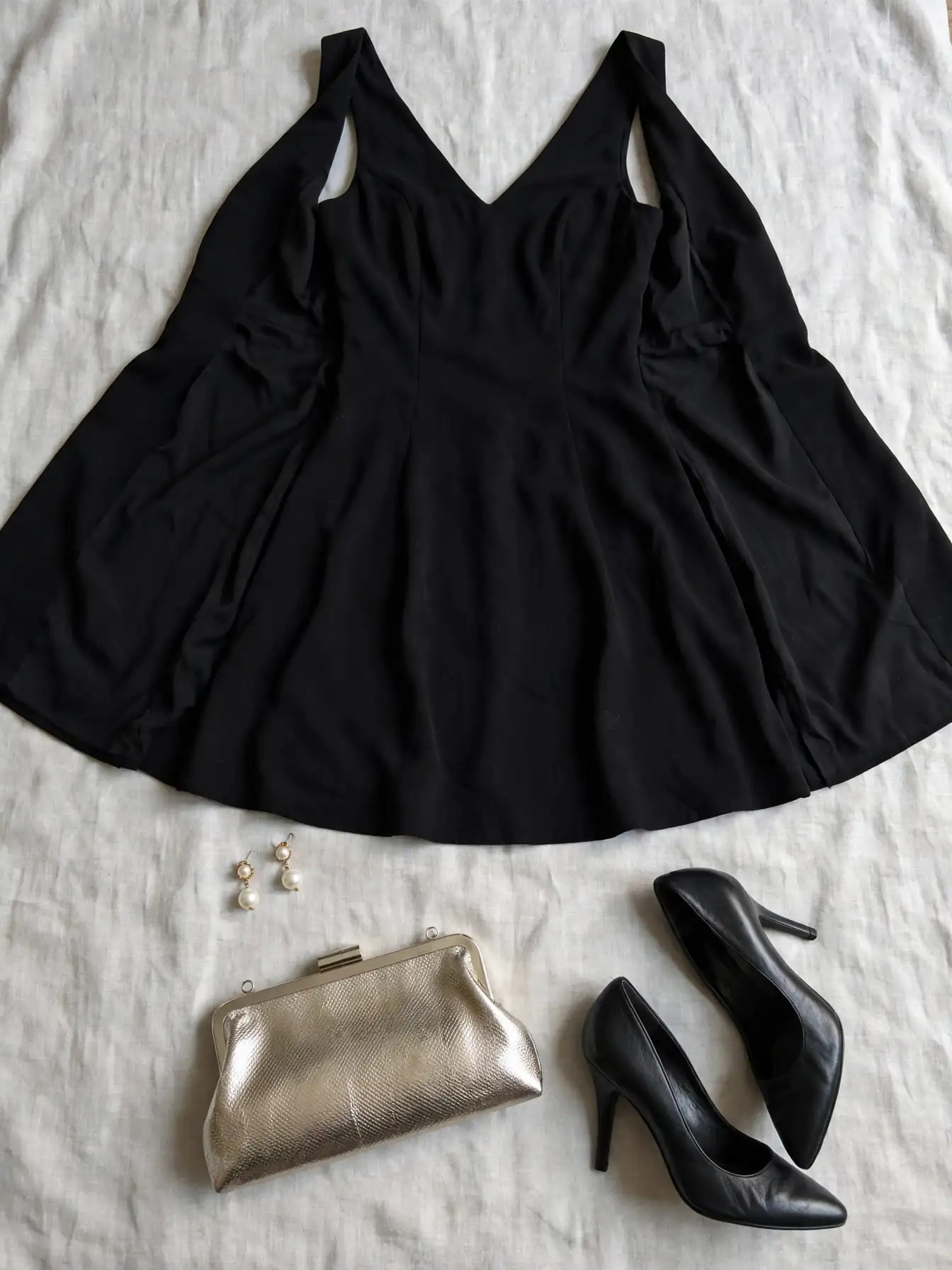
One dress works for almost every opera night, and this is it. A structured crepe, silk, or lace little black dress fits a regional matinee as well as a formal evening. Lift it into evening territory with pearl or crystal earrings, a metallic clutch, and heeled shoes. The black base also means you can change the accessories and wear it again and again.
Rich Fabrics and Sparkle
5. Velvet Midi Dress
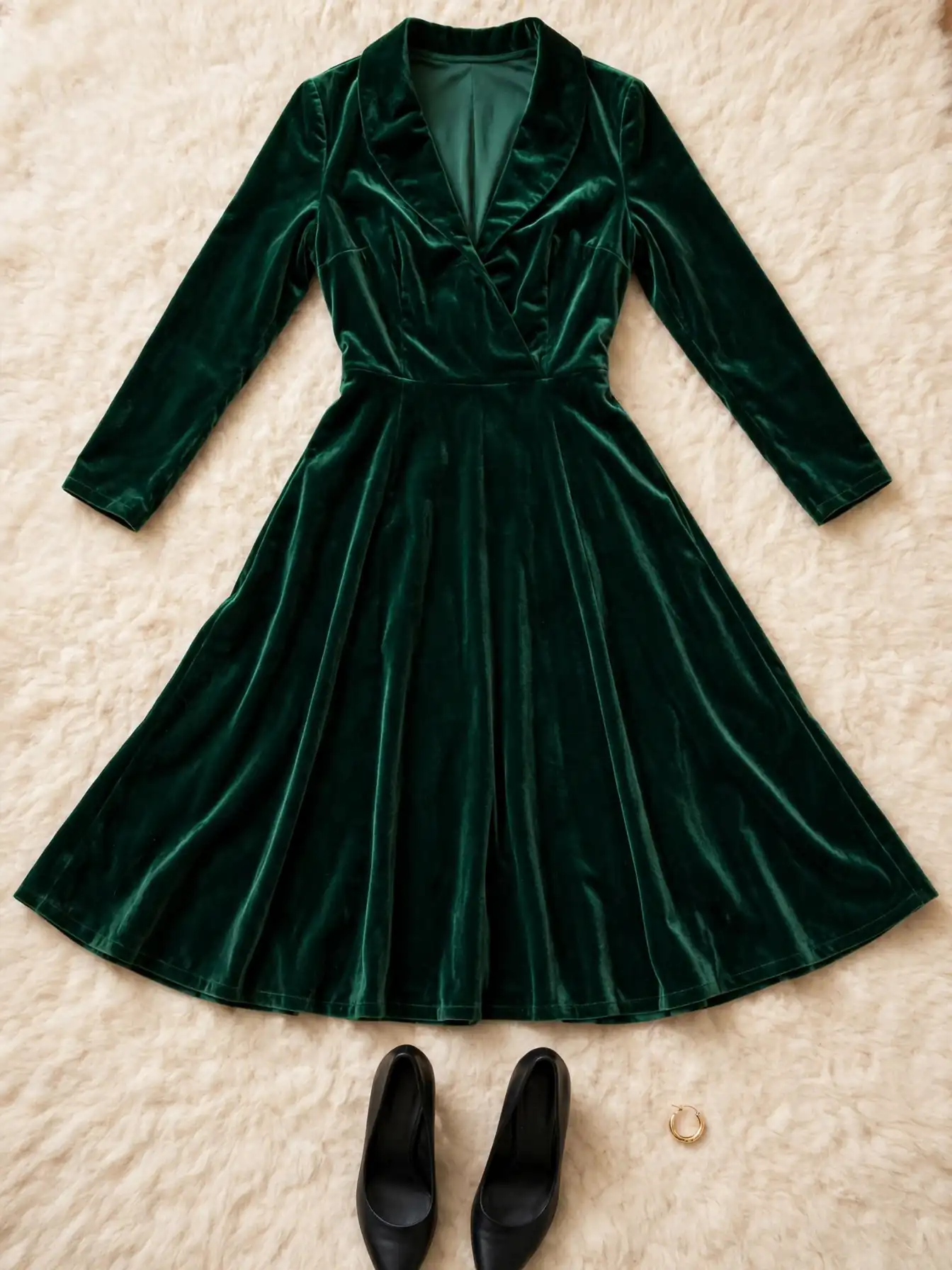
Velvet brings instant richness to a simple shape. A velvet midi in emerald, sapphire, plum, or classic black needs little else, because the weight and texture already read as luxurious. That makes it a strong pick for autumn and winter nights. Add plain heeled shoes and one quiet piece of jewellery, then let the fabric carry the whole look.
6. Sequin Dress for Opening Night
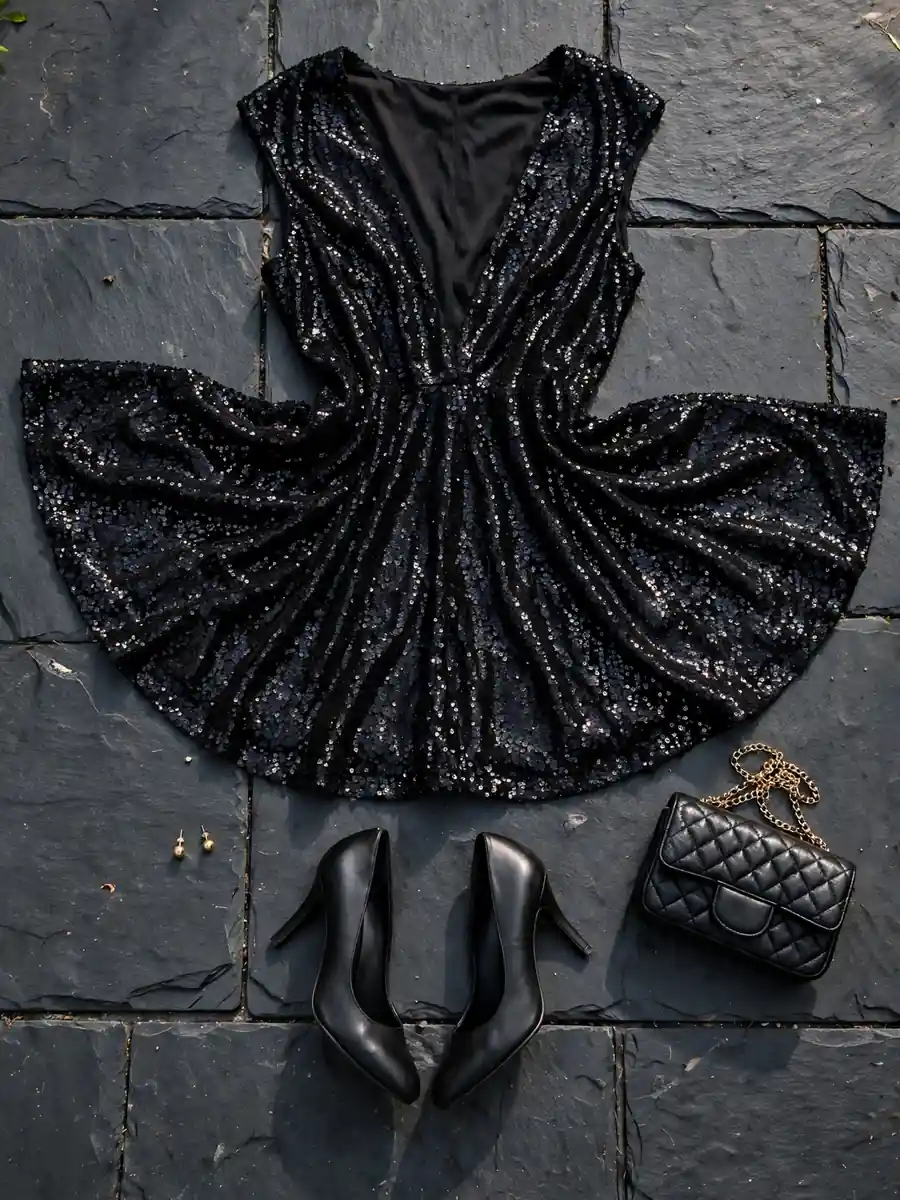
Full sparkle suits very few nights, and opening night is one of them. A full sequin dress in black, silver, champagne, or a deep jewel tone is genuinely right for a gala, so wear it with confidence. Keep everything else minimal: plain heels, a small clutch, and simple studs. When the dress shines this much, quiet accessories are the smartest choice you can make.
7. Rich Red Dress
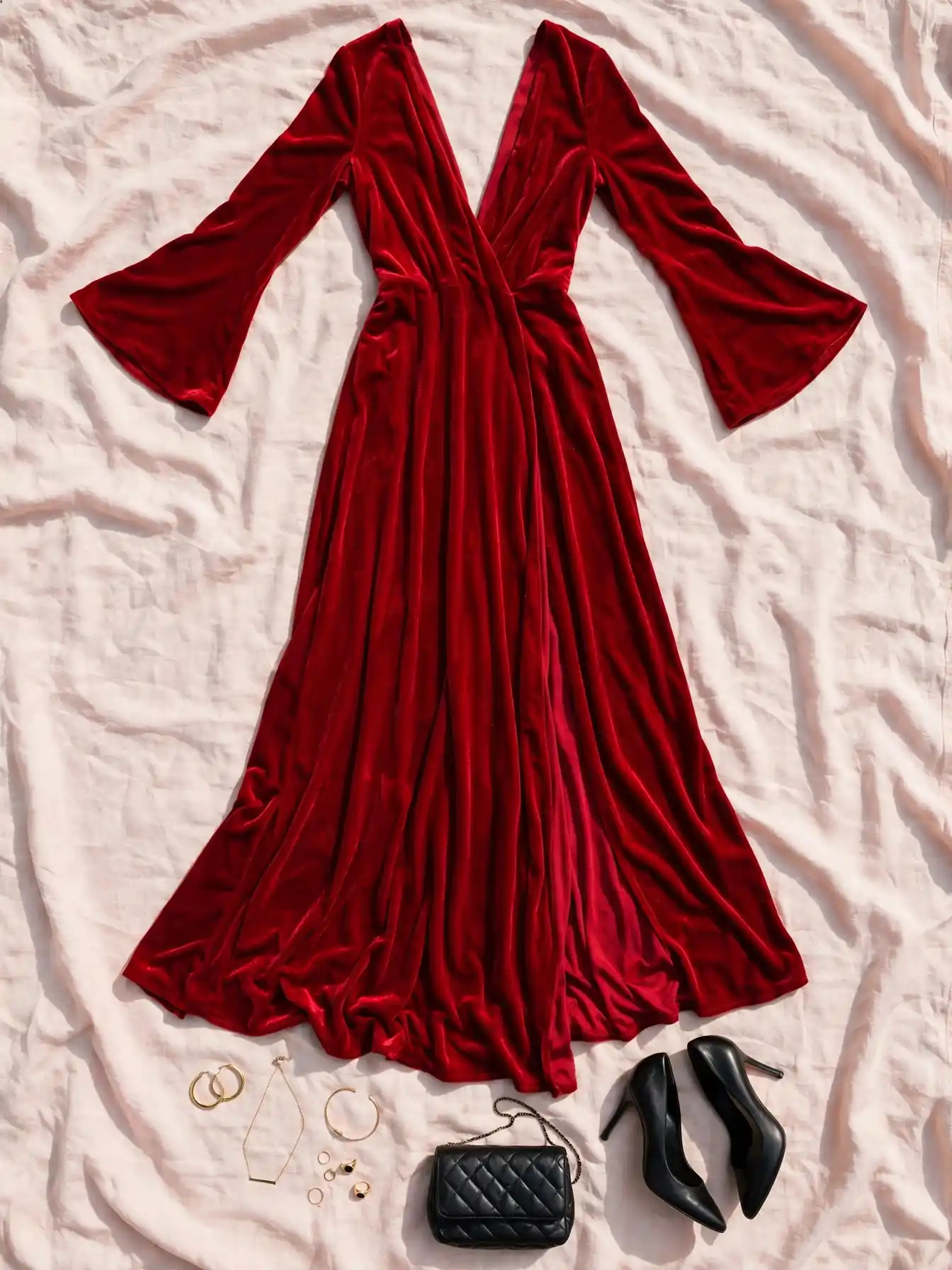
Red is the boldest colour in this guide, and it earns its place. A floor-length, midi, or cocktail dress in deep burgundy, classic crimson, or oxblood red stands out the moment you enter the foyer. Keep the rest calm with minimal gold jewellery, black or nude heels, and a small clutch. One strong colour needs no competition from busy patterns or bright shoes.
8. Lace Overlay Dress
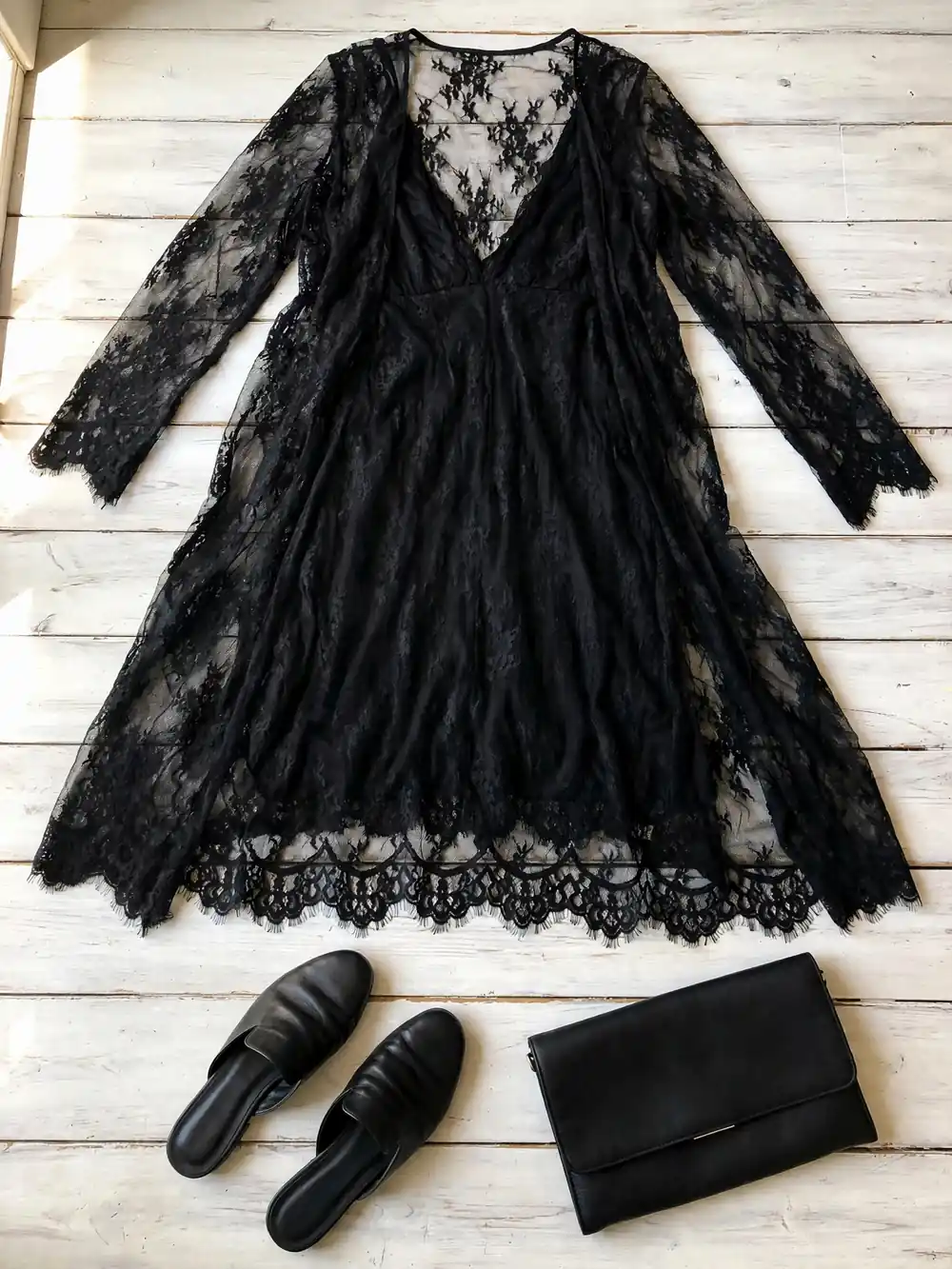
Lace needs almost no help to look formal. A knee-length or midi lace dress in black, ivory, or deep navy already has the detail built in, so the fabric works for you. Keep jewellery and shoes simple, and choose a plain clutch. This is an elegant opera dress for anyone who wants to look dressed up without piling on accessories.
Modern and Tailored
9. Tailored Tuxedo Trouser Suit
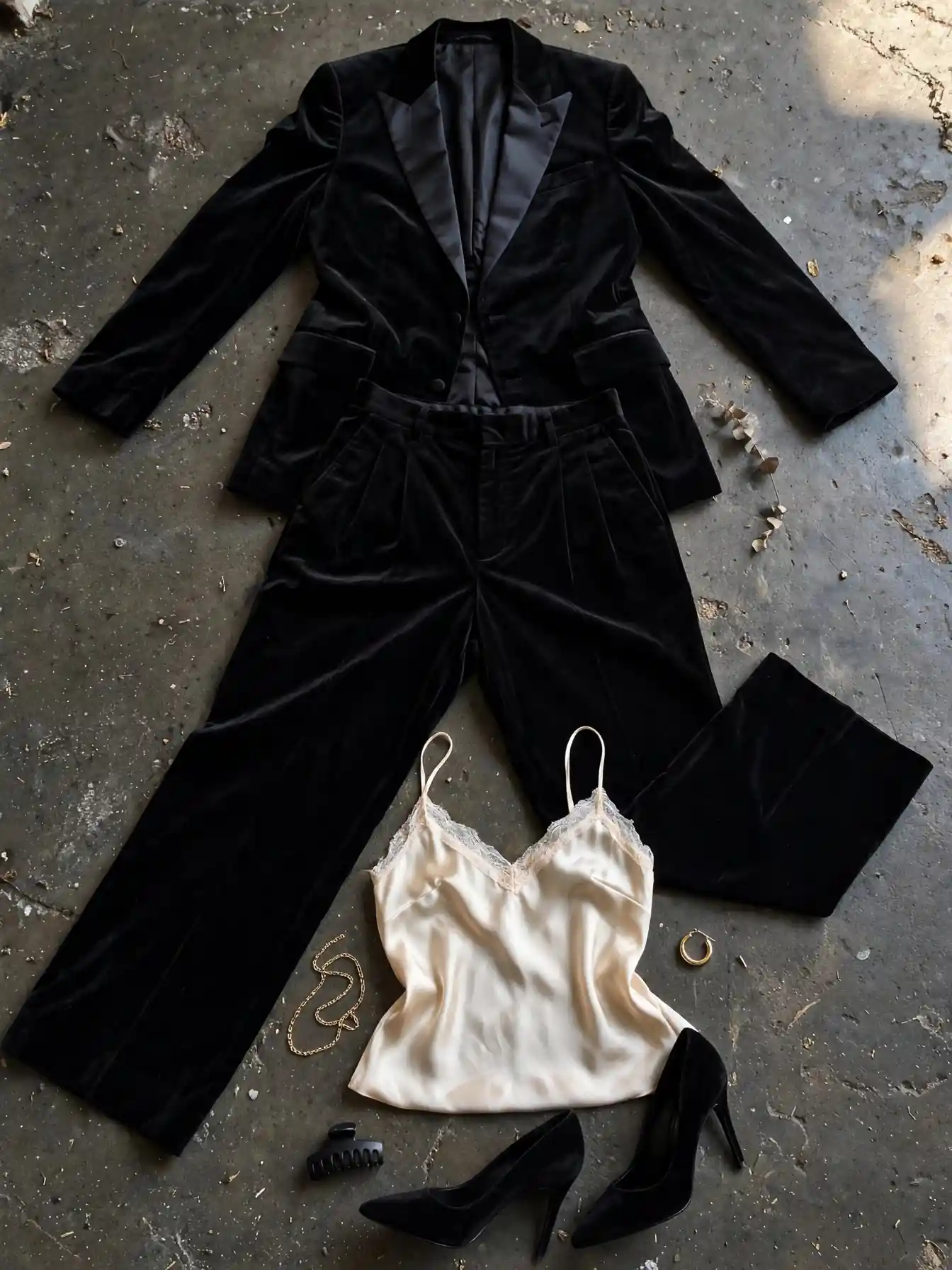
A sharp suit changes the whole mood of opera night. Wide-leg trousers with a fitted blazer in silk, velvet, or satin read as evening wear, not office wear, because the fabric sets the tone. Add a silk blouse or camisole underneath and heeled shoes. It is a confident opera night outfit for anyone who prefers trousers to a dress.
10. Silk Slip Dress with a Tailored Blazer
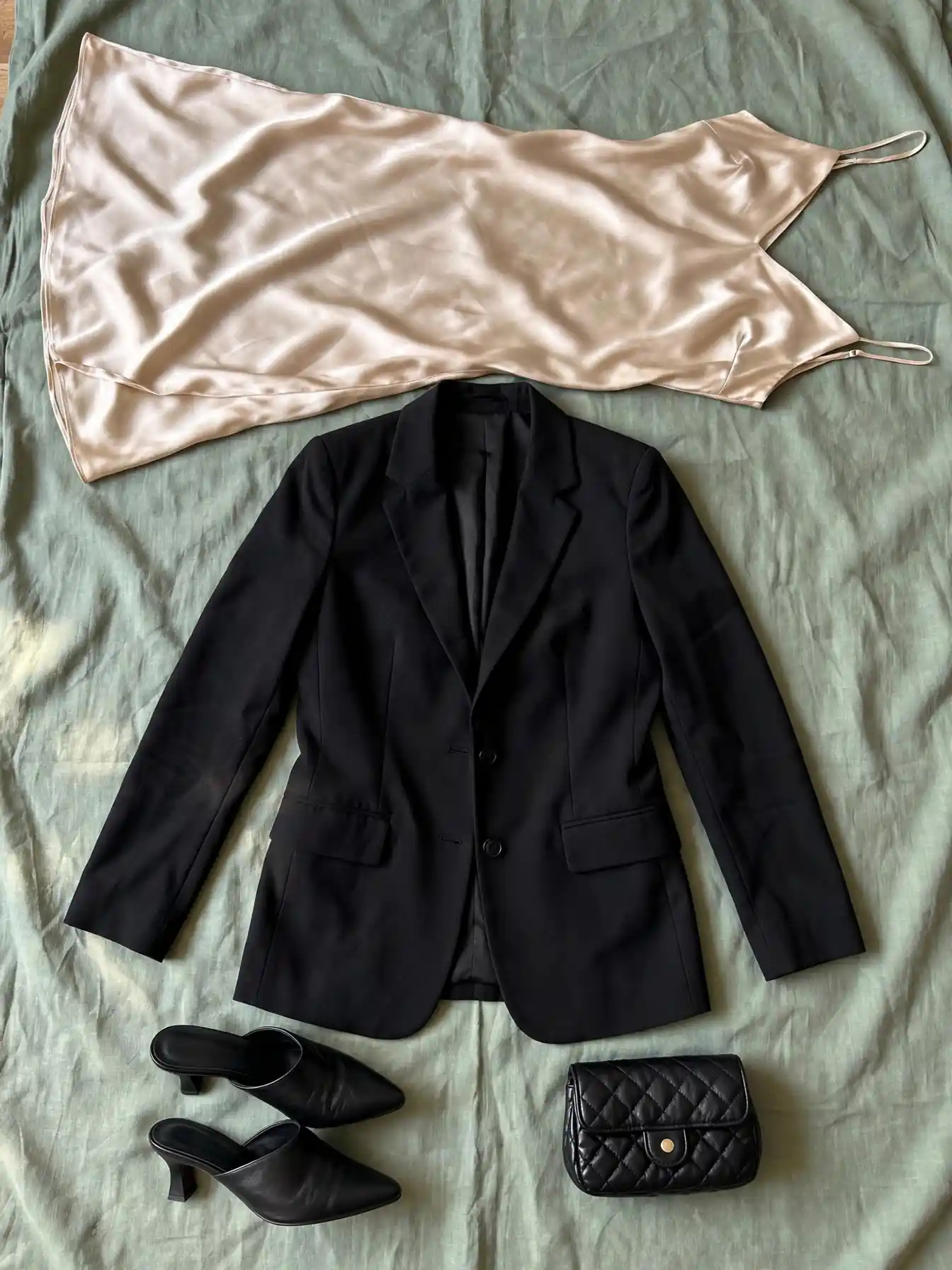
Soft silk meets sharp tailoring in this modern pairing. A silk or satin slip dress on its own can feel too light for the opera, but a sharp blazer adds structure and warmth. The contrast is the point: soft fabric below, clean lines above. Finish with heeled mules and a small clutch for a look that feels current without trying too hard.
11. Elegant Evening Jumpsuit
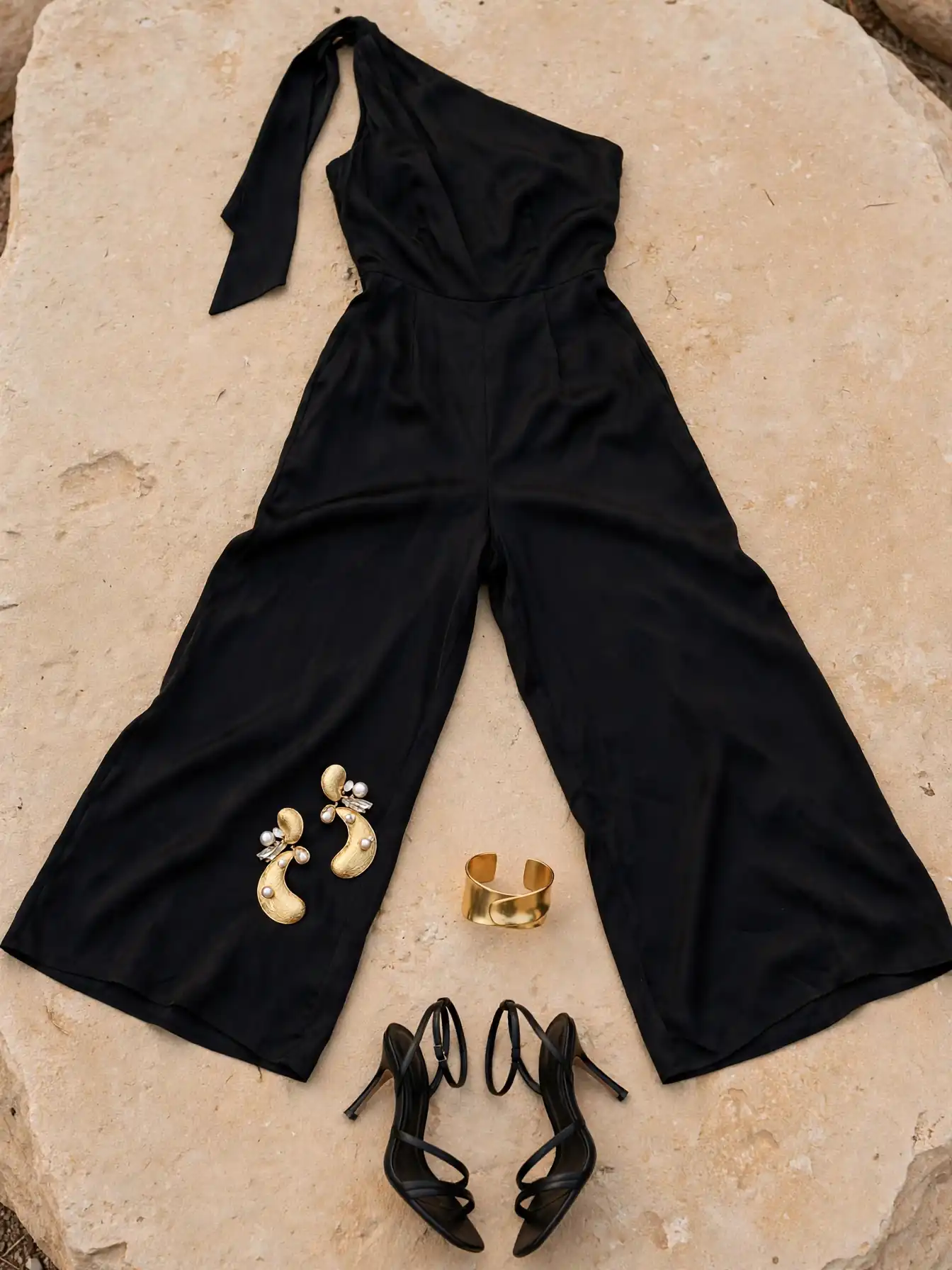
A jumpsuit skips the dress entirely and still looks right. A well-fitted wide-leg jumpsuit in a luxe fabric, one-shoulder or tailored, gives you one long line from shoulder to ankle. Add statement earrings or a cuff bracelet and heeled shoes. It is a modern alternative to a gown, and it lets you sit, climb stairs, and move through the interval with ease.
12. Velvet or Satin Two-Piece Co-ord
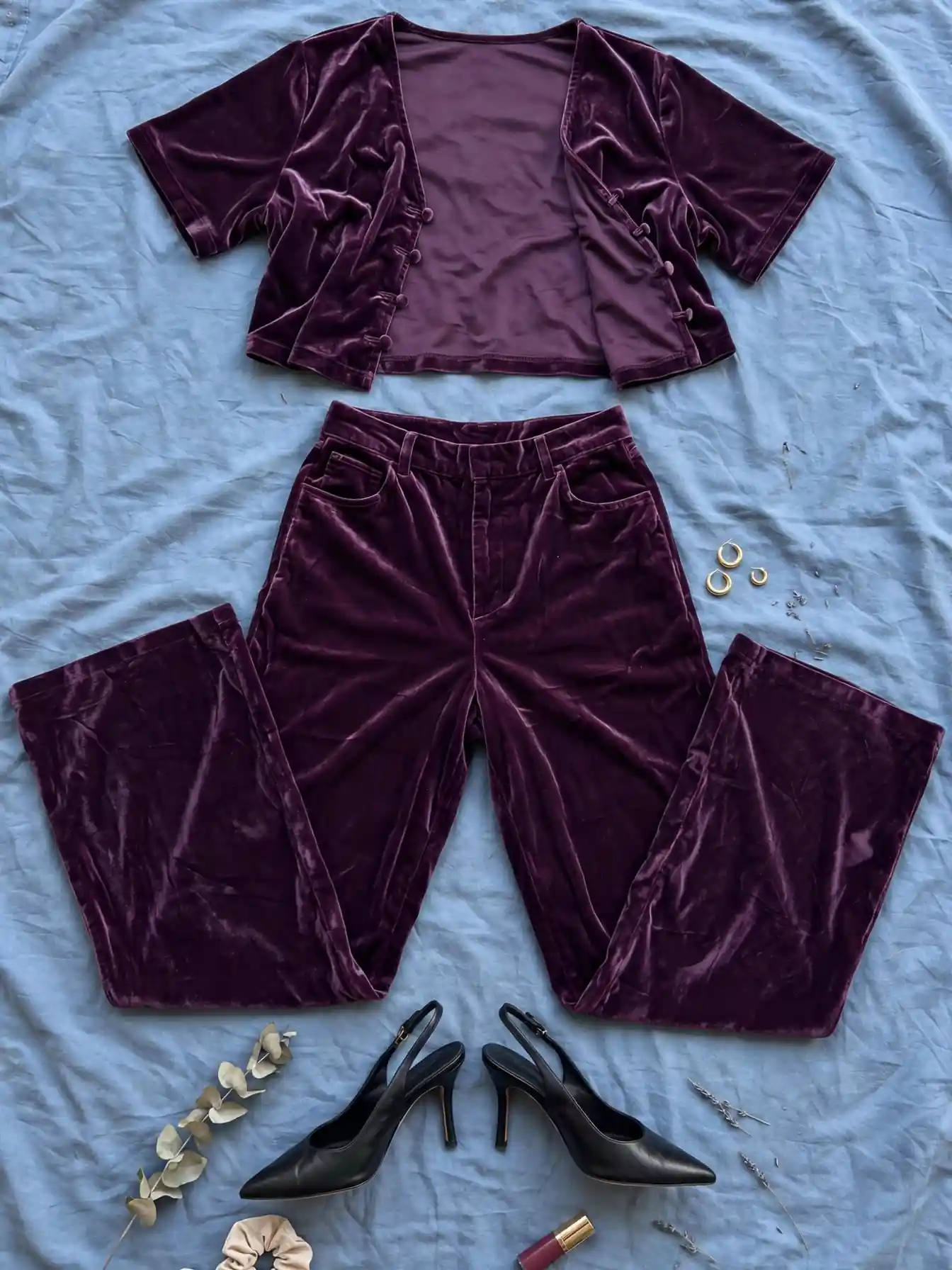
Matching pieces look deliberate in a way separates rarely do. A velvet or satin co-ord, a cropped top with wide-leg trousers or a midi skirt, reads as one planned outfit because the fabric matches throughout. Choose deep jewel tones or black and keep the shoes heeled. It is a polished choice that still feels relaxed enough for a standard evening.
Romantic and Versatile
13. Elegant Wrap Dress
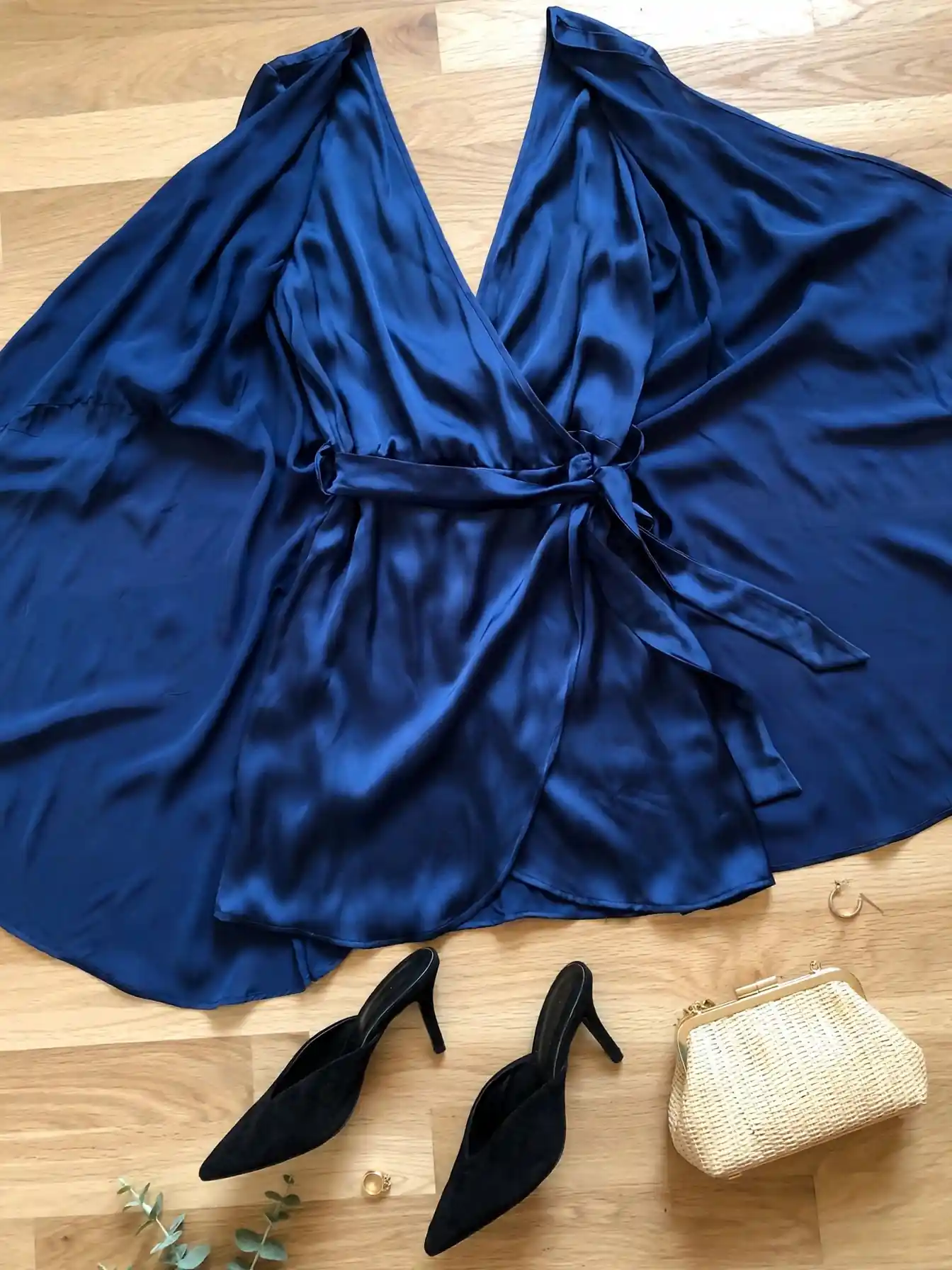
A wrap dress flatters because the shape adjusts to you. The defined waist and V-neckline suit most figures, and in silk, satin, or heavy crepe the style reads as formal rather than casual. Pick a deep solid colour or a subtle print for the evening. It works for matinees and standard evenings alike, which makes it one of the most useful dresses you can own.
14. Cape Gown
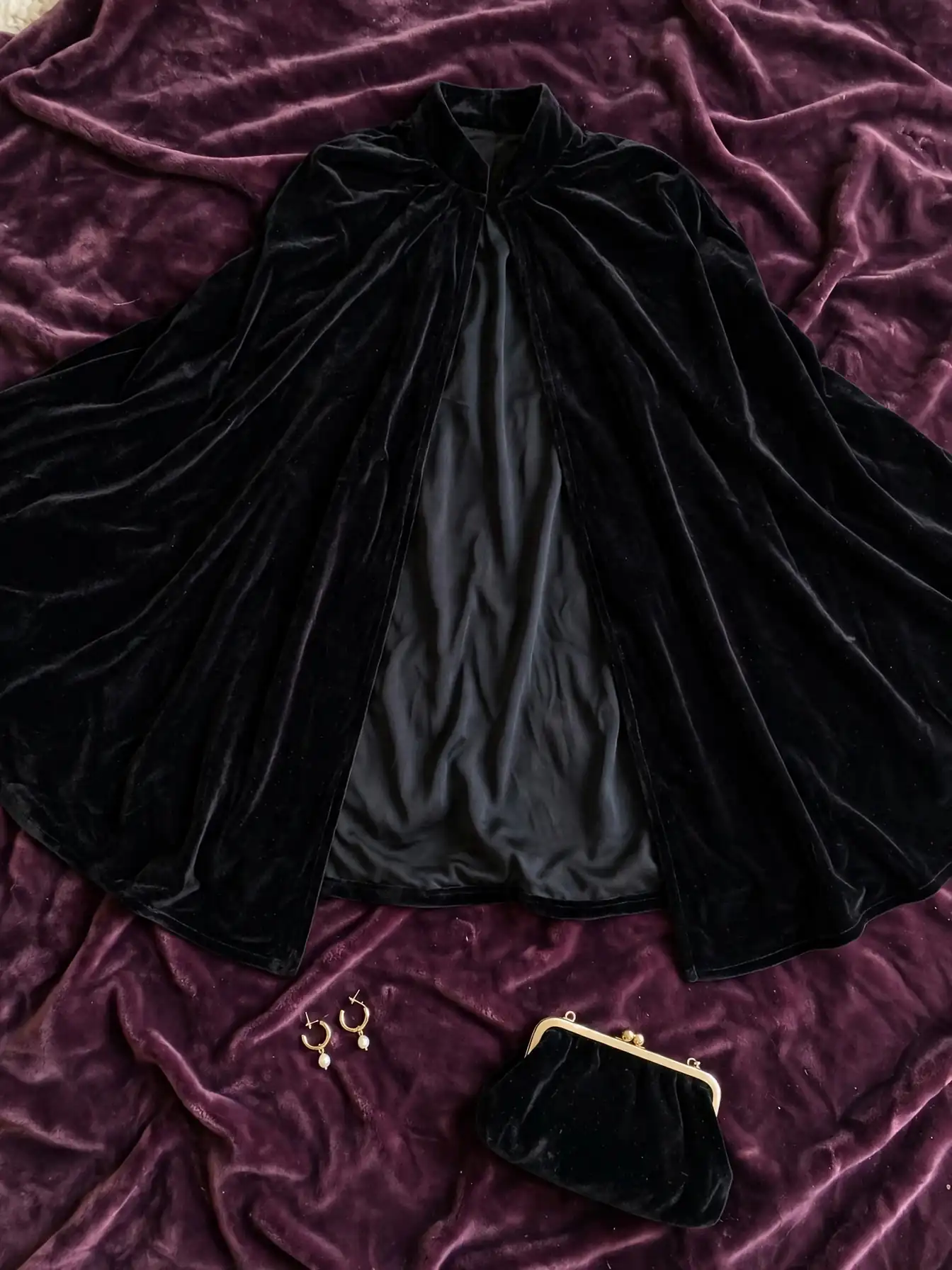
A cape adds drama no other detail can match. A gown with a cape or detachable capelet at the neckline moves as you walk and turns a simple entrance into a moment. Choose velvet, heavy silk, or embellished tulle, and keep the dress underneath plain so the cape carries the drama. Simple earrings and a small clutch complete the look.
15. Satin Skirt and Silk Blouse
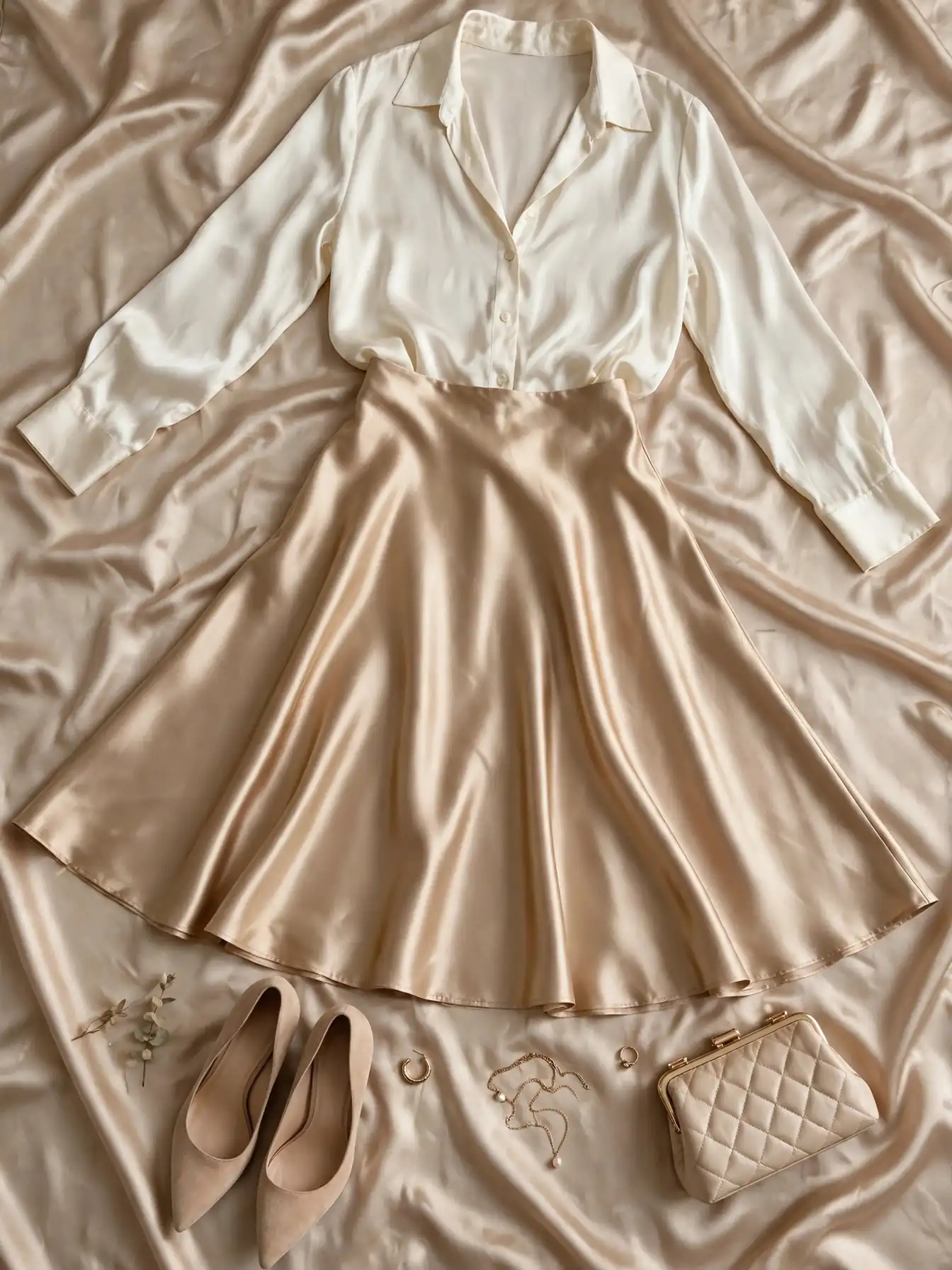
Two simple pieces can look as polished as a gown. A satin A-line midi skirt with a silk or structured blouse, tucked in cleanly, makes a neat two-piece outfit for the opera. Add heeled mules or pointed-toe pumps and a small clutch. Both pieces are easy to re-wear on their own, so this is the most practical opera outfit idea in the whole guide.
What Is the Dress Code for the Opera?
Most opera houses today have no strict dress code. The Met in New York and the Royal Opera House in London both state there is no dress code, so smart, neat clothing is enough. La Scala in Milan is the strict exception, and it can refuse entry for shorts, sleeveless T-shirts, and flip-flops.
If you are unsure what to wear to the opera, start with the occasion. A matinee calls for smart or cocktail dress, a standard evening calls for formal dress, and a gala is black tie. For a gala, a floor length opera gown is the classic opera gala outfit, with full jewellery and a small evening bag.
How to Stay Warm and Comfortable at the Opera
Opera houses are heavily air-conditioned, so a wrap, stole, or pashmina is essential even on a warm night. Pack it in a small clutch or carry it over your arm, and keep it on your lap during the performance. A wrap also covers bare shoulders on the walk home.
Choose shoes you can walk in. Block heels, kitten heels, and low pointed-toe pumps are the practical elegant choices for marble floors and stairs. Break new shoes in before the night, and rehearse the outfit at home by sitting for ten minutes and climbing a flight of stairs.
Frequently Asked Questions
Is there a strict dress code at the opera?
No, most opera houses have no strict dress code today. The Met and the Royal Opera House both state that there is none, so smart, neat clothing is fine. La Scala in Milan is stricter and can refuse entry for shorts and flip-flops. Check your venue before the night, and dress for the occasion rather than a fixed rule.
Can I wear trousers or a jumpsuit to the opera?
Yes, trousers and jumpsuits are welcome at most opera houses today. A tailored tuxedo suit in silk or velvet reads as evening wear, and a wide-leg jumpsuit in a luxe fabric works just as well. Keep the fabric rich, the fit sharp, and the shoes heeled. Skip jeans and trainers, which still look too casual for the opera.
What length dress is best for the opera?
A floor-length dress is the classic choice for a gala or opening night. For a standard evening, a midi or knee-length dress is just as right, and a cocktail dress suits a matinee. Match the length to the occasion rather than a fixed rule. If you are unsure, a midi length is the safest choice for most opera nights.
Can I wear flat shoes to the opera?
Yes, you can wear flat shoes, but choose an elegant pair. Pointed-toe flats or ballet flats in leather or satin work well with a midi dress or a tailored suit. Avoid trainers and heavy boots, which look too casual. If you want height without pain, a low block heel or kitten heel is a kinder choice for stairs and intervals.
What should I do about the cold inside the opera house?
Bring a wrap, stole, or pashmina, because opera houses are heavily air-conditioned. Keep it on your lap during the performance and over your shoulders in the foyer. A velvet or satin dress also holds warmth better than a thin chiffon one. If you feel the cold, choose a long-sleeved gown or a blazer over a slip dress.
Final Thoughts
An opera night is one of the few chances to dress up properly, so enjoy it. Pick the outfit that fits your venue, your occasion, and your own comfort, then add one or two quiet accessories and stop there. The best opera looks are the ones you feel good in from the first note to the final bow. Save this guide on Pinterest so you can find your favorite opera look again.

Amelia Carter
Amelia Carter writes lifestyle, health, and fashion pieces that are easy to follow from the first line. She skips jargon and gets straight to the practical context a reader needs. Amelia also covers culture, with a direct style that puts clarity before clever words. Her work is unfussy and steady, and it aims to make ordinary topics feel simple and useful.
View all articles →Get the Weekly Brief
The best guides and stories, delivered every Sunday.