


Table of Contents
- Set Your Shopping Budget First
- Keep What You Love: Rank Your Loves and Fund Them With Generics
- Grocery Shopping on a Budget
- How Much Should You Spend on Groceries?
- How to Shop on a Budget for Clothes
- How to Save Money When Shopping Online
- Budget Shopping Hacks That Work Every Time
- What to Do When the Budget Breaks
- Frequently Asked Questions
- What does 'budget shopping' actually mean?
- How do I avoid buying cheap products that don't last?
- Should I always buy in bulk to save money?
- How can I stick to my budget when shopping is stressful?
- What's the best way to save money on groceries?
- Final Thoughts
Your favorite coffee still tastes the same when money is tight. But the total at checkout keeps climbing, and something has to give. Shopping on a budget does not mean giving up the things you love. It means paying for them on purpose, with a plan that fits your real life.
The answer is simple, and it works for groceries, clothes, and online orders. First, set a firm budget. Then rank the things you love, fund them with easy swaps, and cut the spending that adds nothing. You keep the coffee, the brand you trust, and the small treats that make a week feel good.
This guide shows you how to shop on a budget step by step. You will set your budget, build a grocery plan, shop better for clothes, and check out online without traps. You will also find a worked monthly example, a grocery list for a family of four, and a plan for when the budget breaks.
None of this needs a finance degree or a perfect month. It needs one honest look at your spending and a few habits you can keep. Start with your budget, because every saving after that gets easier.
Set Your Shopping Budget First

A budget starts with one number: your take-home pay. NerdWallet suggests the 50/30/20 rule for that number. Put 50 percent toward needs, 30 percent toward wants, and 20 percent toward savings and debt. Your shopping budget lives inside those first two slices.
Groceries take the biggest slice of most shopping budgets. Ramsey Solutions says groceries run about 10 to 15 percent of your budget, based on family size and diet. The Bureau of Labor Statistics puts the average at $519 a month per household, as Ramsey reports.
Grocery prices rose about 24 percent over the past five years, Ramsey notes, citing FRED data. That rise is why a budget from two years ago may feel tight today. Check your own numbers before you blame your habits.
Put your numbers on a plain worksheet before your next shop. Track them in a budgeting app such as EveryDollar or YNAB, or on paper. Note your take-home pay, your needs, your wants, and your savings goal. Then set one spending limit for groceries, one for clothes, and one for everything else. A limit you can see is a limit you can keep.
Here is what it looks like for a family of four with a take-home pay of $4,000 a month. Needs take $2,000, wants take $1,200, and savings and debt take $800. Groceries at 10 to 15 percent of the total budget come to $400 to $600, and the national average of $519 sits in that range. So set the grocery budget at $500, add $100 for clothes and other shopping, and the monthly shopping allowance is $600. Set aside $60 of it, ten percent, for the small treats you love. Your numbers will differ, but the method stays the same.
Turn the worked example into your own shopping on a budget worksheet. Change the numbers to match your pay, and keep it where you plan your week.
If the 50/30/20 rule feels too rigid, try Kakeibo or zero-based budgeting. Kakeibo sorts every spend into four groups: needs, wants, culture, and unexpected costs. Zero-based budgeting gives every dollar a job before the month starts, so nothing sits unassigned.
This is where saving money when shopping starts.
Keep What You Love: Rank Your Loves and Fund Them With Generics
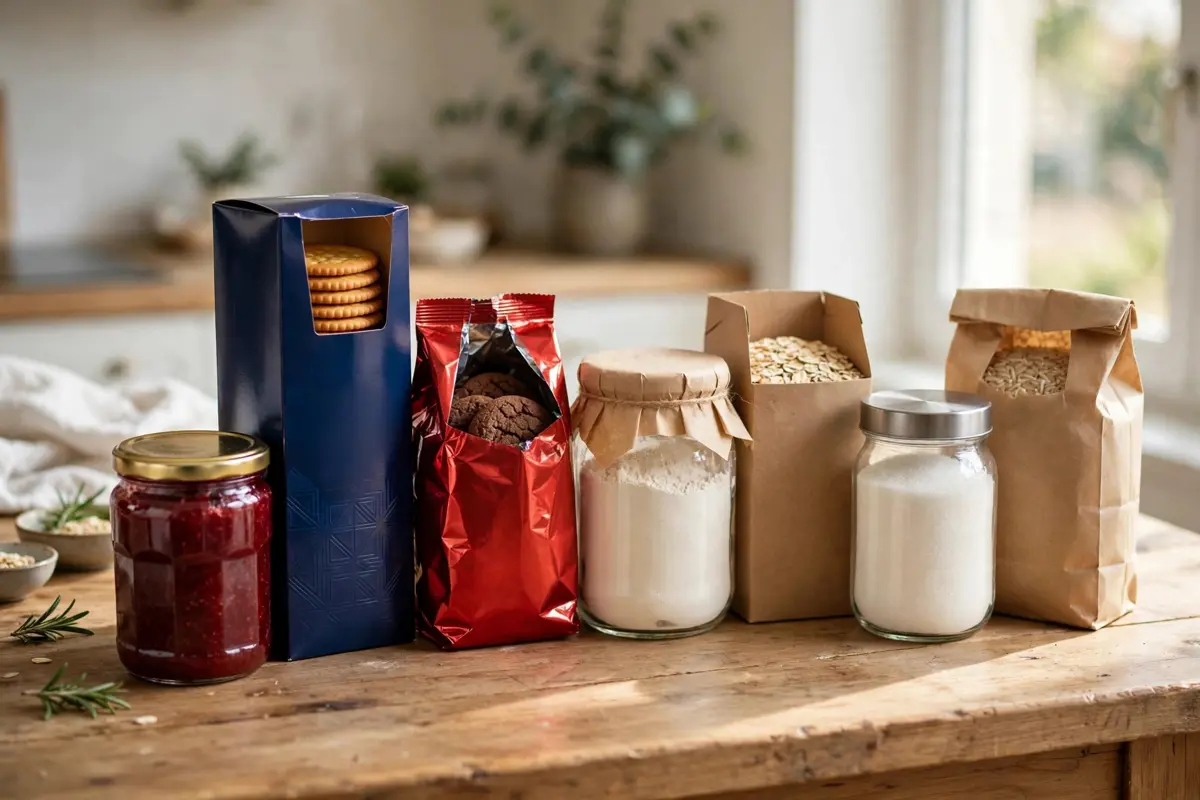
A budget fails when it feels like a punishment. So start by naming the things you refuse to give up. Write down three to five brands or items you love. Rank them from most loved to least loved, and fund the top ones first.
Pay for those favorites by switching to store brand on low-stakes staples. Salt, sugar, pasta, rice, and cleaning products rarely taste or work any worse. Chefs buy generic salt, sugar, and baking soda, Ramsey Solutions notes. The savings on staples fund the brand you will not give up.
Use cost per wear to judge any clothes buy. Princess-Daisy shows the math: a $100 dress worn 20 times costs $5 per wear. A $20 dress worn once costs $20 per wear. The pricier dress is the bargain here, so buy the one you will wear again and again.
Keep a small fun fund for treats. Princess-Daisy suggests about 10 percent of your monthly shopping allowance for whimsical buys. In the example above, that is $60 a month from a $600 allowance. That fund buys the fancy coffee, the lipstick, or the magazine without guilt. A budget with room for joy is a budget you will keep.
Review your ranking once a month. Move an item up or down as your tastes change, and keep the top two funded first.
Grocery Shopping on a Budget
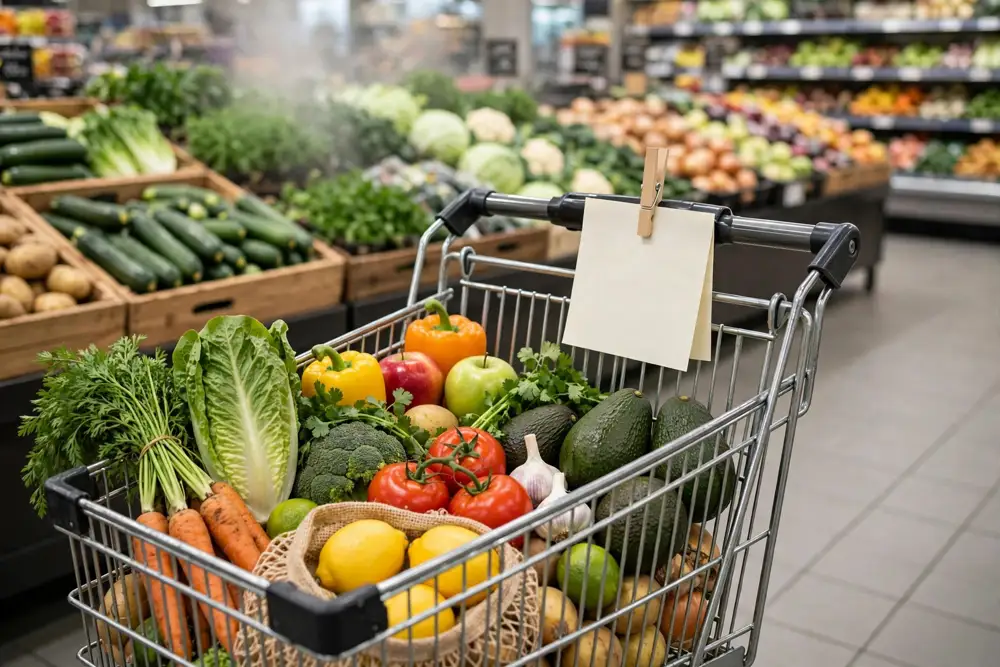
Groceries are where most budgets leak, so start there. Good grocery shopping begins before you leave home, with a meal plan and a list. Plan your meals for the week, check what you already own, and write a list that matches real life. That is the first step in how to shop on a budget for food.
Shop in season and buy frozen when fresh costs too much. Clemson Cooperative Extension says frozen produce is just as nutritious as fresh, and it often costs less. Here is how to shop healthy on a budget: fill the cart with in-season produce and frozen vegetables, not premium out-of-season fruit.
The same rule works at any store, even a pricey one. Big-box stores such as Walmart and Target carry the same staples as premium grocers. Learn how to shop on a budget at Whole Foods. Start with the sale shelf and the store brand for pantry staples. Skip the pre-cut fruit and prepared foods. They cost far more than whole items you prep yourself.
Check the unit price before you grab the bigger pack. A big bag is not always the cheaper buy, so compare the price per ounce. Skip the pre-packaged lettuce, too. A bag of pre-packaged lettuce costs double what a head of lettuce and homemade dressing would cost, Ramsey Solutions reports.
Never shop hungry, and use curbside pickup when willpower is low. Hunger turns a quick trip into a cart full of extras. Pickup keeps you on your list, because you cannot grab what you pass. Learn how to save money when shopping for groceries. Let pickup do the hard part for you.
Keep the brand you love for the coffee and the cereal. Switch the oats, the beans, and the dish soap to store brand, and the savings pay for the coffee you love.
How Much Should You Spend on Groceries?
Use the example from the first section. A family of four with a take-home pay of $4,000 sets its grocery budget at about $500 a month. The national average of $519 sits in the same range. Your share is the ceiling, and the average is the reality check. If your number sits far above the average, look at meat, drinks, and snacks first.
Adjust the number for how many people you feed. A single person cooks for one, so the number drops. A couple splits the cost of shared staples. A family of four starts near the $500 mark in the example above, then adjusts for appetite and diet.
For a household of two, start with the same list and buy smaller packs of fresh food. That covers how to grocery shop on a budget for 2. For a household of four, use the list below as your base. Adjust the amounts to your family, and that covers how to grocery shop on a budget for 4.
The same method works for a household of three or five. Change the amounts, not the rules.
Grocery shopping on a budget for one needs a different list, not a smaller version of a family list. The trick is knowing how to grocery shop on a budget for 1. Buy small packs, freeze half of every batch, and plan three meals from one main ingredient.
Here is a budget shopping list for family of 4 to start from. Rice, pasta, oats, and bread. Beans, lentils, eggs, and chicken.
Onions, carrots, potatoes, and frozen vegetables. Milk, butter, and cheese. Cooking oil, salt, pepper, and one sauce you use every week.
Adjust it to your family, and keep it posted where everyone can see it. The list covers the basics, so your fun fund stays free for the brands you love.
How to Shop on a Budget for Clothes

Clothes shopping rewards patience more than speed. Start with the question the best budget shoppers ask: will I wear this at least 20 times? Use the cost-per-wear test from the second section to judge the answer.
Buy secondhand first for anything you will outgrow or outwear fast. Thrift stores, consignment shops, and online resale sites carry good brands at a fraction of the new price. Look at seams, zippers, and fabric before you buy, and skip stains you cannot fix. The trick is knowing how to shop on a budget for clothes. Choose well, and no one can tell you thrifted it. Secondhand shopping is also the sustainable choice. Buying used keeps good clothes in use and out of landfill.
Shop off-season and wait for the sale, not the other way round. Coats cost less in spring, and swimwear costs less in fall. Note the item and the price you will pay, and buy only when it hits that price.
Choose quality over the cheapest tag, and give non-essentials 30 days. A well-made pair of shoes outlasts two cheap pairs and costs less per wear. Judge each buy by cost per use as well. Avoid the buy-it-twice trap. A cheap item you buy twice costs more than one good item bought once. For anything you do not need, wait 30 days before you buy it.
Spend on the coat or the shoes you love most and will wear daily. Thrift the rest, and the savings fund the piece you love.
How to Save Money When Shopping Online

Online shopping is easy, and that is the danger. A cart that takes ten seconds to fill can undo a month of careful budgeting.
First, think twice about buy now, pay later. These plans split a purchase into four payments, with the first one due at checkout. Fidelity warns that fees can reach up to 25 percent of the original price if you miss a payment. Never stack two plans at once, and never use one for groceries. Experian warns that a high APR and a high credit utilization rate both add cost, so pay the full balance when you can.
Second, check the total cost, not just the price tag. Add shipping, tax, and the cost of a return before you celebrate a deal. A cheap price means little if the return costs you money, as WeLikeBargains points out. A good return window also lets you order two sizes and send one back. Ask about a price match too. Some stores match a lower price from a rival, so check your phone before you pay. Online is not always cheaper. Compare the online price with the store price, and add shipping before you decide.
Third, set a price alert and walk away for a day. Tools like CamelCamelCamel and Google Shopping track the price and tell you when it drops. Leave the item in your cart, and the store may email you a discount to come back.
Price alerts show you how to save money when shopping online without buying on impulse. That is how to save money when shopping on amazon. Buy only when the price drops. Then audit your subscriptions once a month, and cancel one you no longer use. The money you free up can fund the item you want most. Use your fun fund for that one item, and let the price alert tell you when it drops.
Budget Shopping Hacks That Work Every Time

These budget shopping tips work best when they are simple enough to repeat. Use them on groceries, clothes, and online orders alike. They make shopping on a tight budget feel normal, not hard. A short list also cuts decision fatigue. Decide the brands before you go, so the shelves do not wear you down.
Wait 24 to 48 hours. Write the item on a list and sleep on it. Most wants fade by morning, and the ones that stay are worth buying. If you still want it after two days, spend your fun fund on it.
Pay cash or set a hard limit. Cash makes spending feel real, and a hard limit on a card does the same job. Decide the limit before you shop, and stop when you reach it. A limit set in advance beats one set at the register. The envelope system works the same way. Put cash for each category in its own envelope, and stop when an envelope is empty. Keep a running total on your phone calculator as you shop, and stop when you hit the limit.
Use coupons and cashback. Apps like Rakuten, Ibotta, and Honey find discounts you would miss on your own. Look for a coupon before every online checkout, and scan your receipt after every store trip. Join the free loyalty program at the stores you use most. Members get extra discounts and points on every shop. Stack a store sale with a coupon and cashback when you can. That is coupon stacking, and the three savings add up on one buy.
Buy in bulk only when the unit price is lower. Warehouse clubs such as Costco sell rice, beans, and toilet paper in bulk. Bulk saves money only when you will use it all. It wastes money on food that spoils. Check the shelf tag first, and skip the giant pack if the small one costs less per serving.
Plan big buys around the big sales. Black Friday, Cyber Monday, and Prime Day cut prices on electronics and home goods, so wait for them when the buy can wait. Back-to-school sales do the same for school supplies.
Unsubscribe from store emails, so sales do not tempt you daily. Repair what you own before you replace it. Find the discount grocers near you, such as ALDI or Lidl, and make them your first stop for staples. Warehouse clubs work well for bulk buys, and thrift shops work well for secondhand clothes.
Christmas follows the same rules. To learn how to christmas shop on a budget, set a limit per person, start early, and buy gifts off-season.
What to Do When the Budget Breaks

Every budget breaks sometimes, and that is normal. A birthday, a car repair, or a hard week can push any plan over its limit. The break is not the failure. Giving up after the break is the failure, so treat it as a signal, not a verdict.
First, look at what happened without blame. Find the one line that went over, and move money from a flexible line to cover it. If no line can cover it, cut next week by the same amount.
Then take a no-spend reset week. Buy only food, fuel, and medicine for seven days, and skip every want. Use the week to cook from the pantry, wear what you own, and reset your habits. The reset often feels easier than feared, and the savings fund the next fun item.
Adjust the budget every month, because life changes faster than any plan. A new job, a new baby, or a new school term all shift the numbers. Change the budget to match real life, and keep going. A budget that bends is a budget that lasts.
Frequently Asked Questions
What does 'budget shopping' actually mean?
Budget shopping means buying what you need within a spending limit you set in advance. You decide the limit, you plan your list, and you skip the extras that add nothing. It is not about buying the cheapest thing. It is about buying the right thing at a price you can afford.
How do I avoid buying cheap products that don't last?
Check quality before price by looking at seams, fabric, and reviews. Use the cost-per-wear test: divide the price by the number of times you will use it. A sturdy item you use often costs less per use than a cheap item you replace. Buy fewer things, and choose each one well.
Should I always buy in bulk to save money?
No, bulk only saves money when the unit price is lower and you will use it all. Rice, beans, and toilet paper are safe bulk buys. Fresh food, snacks, and anything with a short shelf life often spoil before you finish them. When the big pack costs more per serving, buy the small one.
How can I stick to my budget when shopping is stressful?
Use a list and a hard limit, and never shop when you are hungry, angry, lonely, or tired. That is the H.A.L.T. rule. Use curbside pickup or shop online with a list, so you skip the aisles that tempt you. Give yourself room for one small treat, so the budget never feels like a punishment.
What's the best way to save money on groceries?
Start with a meal plan, shop with a list, and buy in season. Use store brands on staples, check unit prices, and buy frozen produce when fresh costs too much. Plan one weekly shop on a budget instead of daily trips. Small habits like these cut the bill more than any single sale.
Final Thoughts
Shopping on a budget is a skill, not a sacrifice. Set your numbers, rank the things you love, and fund them with easy swaps. Shop with a list, wait before you buy, and check the total cost online. When the budget breaks, fix it and keep going.
Start this week with one change: write your budget down and name your top three loves. The rest gets easier from there. Save this guide on Pinterest so you can find it again when you plan your next shop.

Isla Morgan
Isla Morgan writes travel, lifestyle, and fashion pieces with a warm and practical style. She looks past the surface of a place or topic to find the points that truly help. Isla also covers leisure, with clear notes on what to expect and what to plan. Her pieces read like friendly advice, built to make a trip or a choice feel simpler.
View all articles →Get the Weekly Brief
The best guides and stories, delivered every Sunday.