

Table of Contents
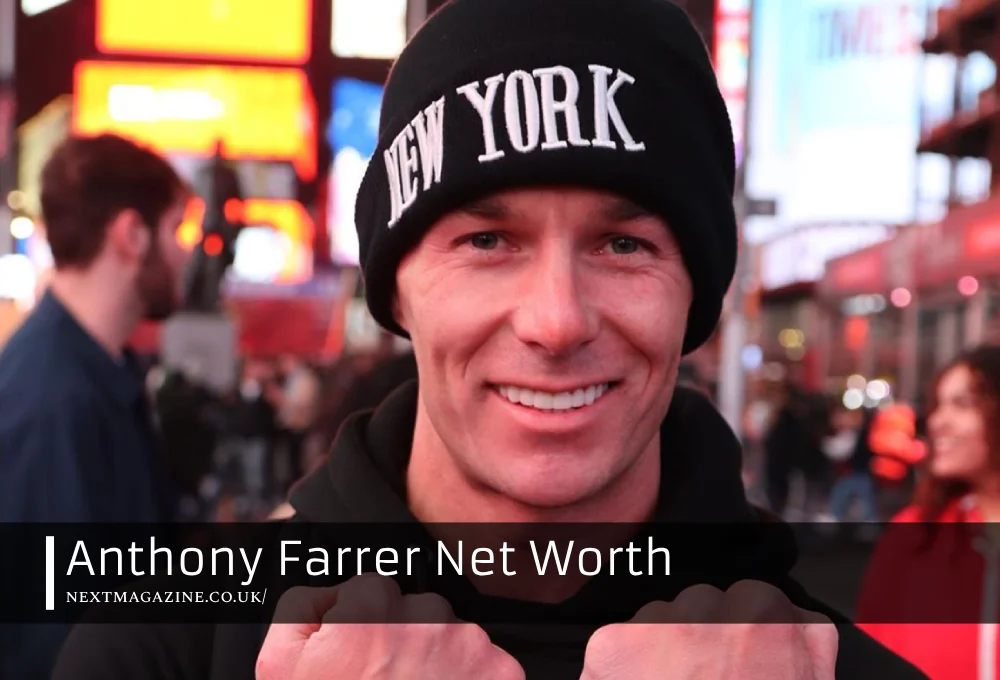
Anthony Farrer is the founder of The Timepiece Gentleman, a Beverly Hills luxury-watch consignment business, who pleaded guilty in October 2024 to one count of wire fraud and one count of mail fraud. No wealth tracker — not Forbes, Bloomberg, or Celebrity Net Worth — publishes a net worth figure for him. The closest thing to a number comes from the U.S. Department of Justice: confirmed victim losses of at least $5,691,005, alongside Farrer’s own August 2023 admission that he was in “a $5-million hole.” On the paper trail, his balance sheet points deep into the negative.
At his peak, Farrer ran one of the flashiest watch businesses on social media, built on YouTube and Instagram from 2017 onward. That ended in November 2023, when FBI agents arrested him. On January 31, 2025, U.S. District Judge Josephine L. Staton sentenced him to 70 months — nearly six years — in federal prison. He has been in federal custody since his arrest.
Net Worth at a Glance
The Business Model — What It Was Supposed to Be
The Timepiece Gentleman started legitimately, or at least looked that way. According to a case affidavit reported by National Jeweler, Farrer began the business in Texas in 2017. Clients shipped him their luxury watches — Rolex, Richard Mille, Patek Philippe among them. He displayed them and found buyers, earning about a 5 percent commission on each sale.
In early 2022 he moved to Los Angeles, opened a store in Beverly Hills, and registered the business in California. The name doubled as his social media brand: “The Timepiece Gentleman” on YouTube and Instagram, where he built trust with watch enthusiasts through a steady stream of content.
Consignment is the key term. It means selling someone else’s property on their behalf and keeping only an agreed cut. If a watch did not sell within the agreed time or price, the client was supposed to get the watch back. That is the model the customers signed up for.
How the Scheme Worked
According to the Justice Department, Farrer stopped following the model around November 2022. He sold clients’ watches and kept the proceeds for himself. When clients asked where their watches were, he told them the pieces had not sold yet — when they already had.
He also used clients’ watches, without their knowledge or permission, as collateral for loans he took from lenders. And the scheme had what prosecutors called Ponzi-like elements. Ponzi-like here means using one victim’s property to quiet another: when a client who had wired money for a watch asked for an update, Farrer sometimes sent a completely different watch. In one instance described in court papers, he sent a Rolex to one person to cover money he owed them — a watch that belonged to another client who had never authorized it.
He also took wire payments for watches clients wanted to buy and then, according to the affidavit, either never sent the watch or sent a different one than the buyer had chosen.
Where the Money Went: The Paper Trail
Fraud looks like wealth only while the money is moving. On the public record, here is where it went:
- Confirmed victim losses: at least $5,691,005 across more than 40 victims, per the October 2024 plea filing (DOJ).
- His own number: in an August 2023 video, Farrer said he was in “a $5-million hole,” with about $3 million owed to just two clients — one of whom he described as an investor whose money he had used to fund his lifestyle, as reported by the Los Angeles Times.
- Lavish spending: the U.S. Attorney’s Office described the lifestyle funded by the proceeds as “lavish.” The case affidavit, reported by National Jeweler, listed a red Lamborghini and two Ducati motorcycles among the purchases. The Justice Department added luxury automobiles, apartments, and other luxury goods.
- Gambling: in the same August 2023 video, he admitted a gambling problem that, by his own account, fed the spending.
- Known surviving assets: none publicly confirmed. The watches he still held at the time of his arrest were evidence, not assets.
The honest forensic picture: millions flowed in from clients, flowed straight back out into cars, apartments, and gambling, and the remainder is owed to victims. There is no verifiable asset base to set against the liabilities.
The Confession Video
August 2023 is the month the story broke open from the inside. Farrer posted a video admitting he had spent clients’ money, describing the “$5-million hole,” and acknowledging the gambling problem. The Los Angeles Times covered the admission.
The video matters for the money story because it is the only figure Farrer ever gave about his own finances — and it was a negative one. Everything else about his wealth was appearance: the cars, the store, the social media presence. The video was the first time the appearance cracked in public.
Arrest, Plea, and Sentence
FBI agents arrested Farrer in November 2023. He has been in federal custody ever since. In October 2024 he pleaded guilty to one count of wire fraud and one count of mail fraud.
On January 31, 2025, Judge Staton imposed the 70-month sentence. The Justice Department’s announcement put the total victim losses at “at least $5.6 million” across dozens of customers, and quoted prosecutors describing a defendant who stole millions from trusting customers to fund an exorbitant lifestyle. IRS Criminal Investigation, which worked the case alongside the FBI, issued its own statement the same day.
Why the Trackers Never Listed Him — and Never Will
Forbes and Bloomberg build estimates from disclosed shareholdings, property records, and confirmed company valuations. Celebrity Net Worth publishes a figure only when it can be sourced. Farrer had none of the inputs: no disclosed equity, no verifiable property portfolio, and a business whose apparent scale was client money he was misusing.
That is also why the competing figures found on copycat pages — old “$1.5 million” and “$4 million” claims — should be ignored. None names a source, and all predate the guilty plea. The only numbers with names attached are the ones in this article: the Justice Department’s $5.69 million in confirmed losses and Farrer’s own “$5-million hole.”
The Balance-Sheet Math
This is the original angle most coverage skips: run the actual arithmetic. On one side of the ledger, confirmed liabilities of at least $5,691,005 owed to victims. On the other side, no publicly confirmed assets — the business is defunct, the cars and goods were bought with client money, and the remaining watches were seized as evidence.
A net worth is assets minus liabilities. When the liabilities are documented in the millions and the assets cannot be documented at all, the result is not zero — it is deeply negative. Fraud convictions commonly carry restitution orders as well: court-ordered repayment to victims that becomes a legal debt following the person after release. Every dollar of confirmed loss is a dollar owed, with nothing on the other side to show for it.
Questions Readers Ask
Was Anthony Farrer ever actually a millionaire?
He looked like one. The evidence says the appearance was funded by clients’ money. Millionaire status requires owning the money — the court record says he did not.
What is wire fraud, in plain terms?
Fraud carried out through electronic communications — bank wires, transfers, payment apps. The Justice Department said clients wired Farrer money or sent it through processors like Zelle for watch purchases that were never completed. Mail fraud is the equivalent charge when the postal system is used.
Could his net worth recover after prison?
Possible in theory, but very difficult in practice. Restitution debts do not disappear when a sentence ends, and a federal fraud record closes most doors in finance and luxury business.
Disclaimer: These figures are drawn from public sources — court filings, the U.S. Department of Justice, IRS Criminal Investigation, and Farrer’s own admissions — not from a confirmed personal balance sheet. No wealth tracker publishes a net worth figure for Anthony Farrer. Where the evidence ends, so does the estimate.

Emily Dawson
Emily writes culture, entertainment, and people-focused stories with an instinct to look past the headline. She gathers context most quick coverage skips and uses it to give readers a fuller introduction to whoever or whatever she's covering. Her pieces favor depth and accuracy over the fastest possible take.
View all articles →Get the Weekly Brief
The best guides and stories, delivered every Sunday.