
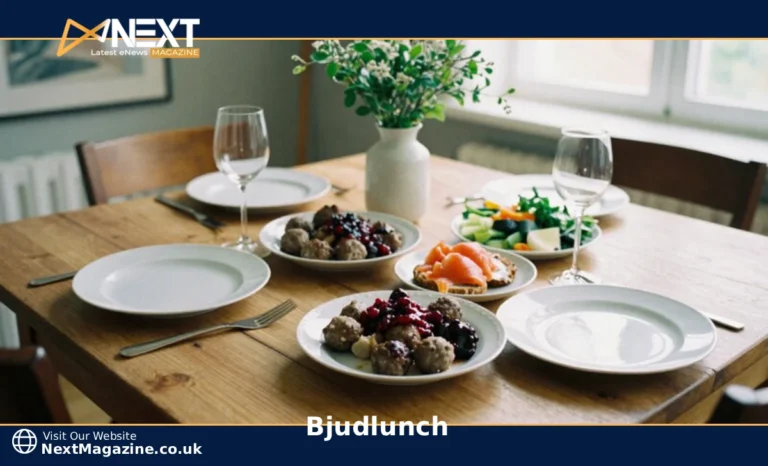
Bjudlunch is a Swedish tradition where hosts invite guests for lunch at home or treat colleagues to a meal. This social practice emphasizes connection over formality, featuring traditional dishes like meatballs and herring while fostering genuine conversation and community bonds.
Picture a relaxed afternoon where friends gather around a table filled with simple, flavorful food. Conversation flows naturally. No one checks their watch. The host moves between the kitchen and the table with ease, not stress. This scene captures bjudlunch—a Swedish tradition that transforms an ordinary lunch into something memorable.
You might have heard about hygge or lagom, but bjudlunch remains less known outside Scandinavia despite being equally central to Swedish life. This guide explains what bjudlunch means, how to host one yourself, and why this tradition resonates in our fast-paced world.
What Bjudlunch Actually Means
The Swedish word “bjudlunch” combines “bjud” (to invite or treat) with “lunch” (midday meal). This simple construction reveals the tradition’s essence: someone invites others and provides the meal.
Bjudlunch appears in two main contexts. At home, it means hosting friends or family for a casual lunch. In workplaces, it describes the gesture when one colleague treats another to lunch without expectation of repayment.
Both versions share core values. Generosity drives the invitation. Formality takes a back seat to authentic connection. The meal creates space for conversation that might not happen otherwise.
The person extending the invitation takes responsibility for the meal’s success—not through elaborate displays, but through thoughtful preparation and genuine welcome.
The Swedish Cultural Context
Swedes approach lunch differently from many cultures. Rather than grabbing something quick at a desk, lunch represents a proper break. Workplaces often close between noon and 1 pm, giving everyone time to eat properly and recharge.
This cultural emphasis on balance extends beyond food. Swedes value the boundary between work and personal time. A shared meal reinforces this boundary while paradoxically strengthening workplace relationships through informal connection.
Swedish hospitality centers on making guests feel comfortable rather than impressed. Homes welcome visitors without the pressure of perfection. Food serves the gathering, not the other way around.
Community matters deeply in Swedish culture. Long winters once made cooperation essential for survival. While modern life has changed circumstances, the value of maintaining social bonds through shared meals persists.
Origins and Evolution
Bjudlunch has roots in early 20th-century Sweden. As people moved from rural areas to cities for work, traditional extended family meals became harder to maintain. Hosting lunch gatherings helped preserve social connections amid changing lifestyles.
During long Scandinavian winters, inviting people into warm homes for food and conversation provided both practical warmth and psychological comfort. These gatherings broke up dark months and maintained community ties when outdoor socializing wasn’t practical.
The tradition’s structure evolved as Swedish work culture developed. By mid-century, the workplace lunch gesture emerged as a way to build rapport between colleagues, welcome new team members, or mark achievements without formal ceremony.
Today’s Bjudlunch retains its emphasis on connection while adapting to contemporary schedules and dietary preferences. Remote work has even sparked virtual variations, though nothing quite replaces sharing actual space and food.
How Bjudlunch Works in Practice
A typical home Bjudlunch runs from noon to 3 pm, though timing flexes based on circumstances. Weekend gatherings might start later and extend into afternoon coffee.
Duration expectations differ from dinner parties. Two hours feels standard, though close friends might linger longer. The relaxed pace allows genuine conversation without the rush of a business lunch or the extended commitment of evening entertainment.
Guest selection usually stays intimate. Four to six people work well enough for da dynamic conversation but small enough that everyone participates. Mixing familiar faces with one or two new connections often creates the best energy.
Workplace Bjudlunch
When colleagues share Bjudlunch, it typically happens at a nearby restaurant or cafe rather than someone’s home. The person initiating makes clear they’re treating, avoiding any awkward bill-splitting discussion.
These lunches serve specific purposes. A manager might invite a new employee to help them feel welcome. Colleagues working on challenging projects together might pause for Bjudlunch to strengthen their working relationship outside formal meetings.
Timing matters here, too. Bjudlunch works best as a gesture of appreciation or connection, not as a negotiating tool or performance review setting. The lunch should feel like a genuine break, not work in disguise.
Planning Your Bjudlunch Menu
Swedish lunch food emphasizes satisfying comfort over elaborate presentation. Meatballs (köttbullar) with lingonberry jam anchor many bjudlunch menus. Their familiar warmth makes guests feel welcome.
Herring appears in various forms—pickled, fried, or marinated with onions and carrots. This traditional protein reflects Sweden’s coastal heritage and pairs well with dense rye breads or crisp knäckebröd.
Gravlax (salt-and-sugar-cured salmon) offers an elegant option without demanding last-minute attention. Serve it on buttered bread with fresh dill and a squeeze of lemon.
Potato salad with fresh herbs provides a versatile side. Root vegetables roasted with butter and sea salt celebrate seasonal produce. A simple green salad with cucumber adds freshness without complexity.
Swedish breads deserve attention. Knäckebröd (crispbread) stays fresh indefinitely. Soft limpa bread flavored with orange and spices complements savory dishes. Fresh butter and good salt elevate even simple bread to something special.
Practical Menu Planning
Choose one main dish you can prepare ahead. Meatballs hold well and actually improve when made the day before. This frees you from kitchen stress when guests arrive.
Prepare at least one vegetarian protein option. White beans stewed with tomatoes and herbs or a hearty vegetable gratin ensures everyone eats well. Ask about dietary restrictions when inviting guests—this small gesture shows genuine care.
Budget-conscious hosting works perfectly for bjudlunch. The tradition values connection over expense. Quality ingredients prepared simply beat elaborate dishes that stress both the budget and the cook. A perfectly roasted chicken with seasonal vegetables impresses more than expensive, complicated food served by a frazzled host.
Set out bread, butter, and pickles family-style. Guests can help themselves while you finish final preparations. This casual approach fits bjudlunch’s informal spirit better than plated courses.
Setting the Right Atmosphere
Swedish home aesthetics favor simplicity. A clean table with simple placemats creates more warmth than fussy decorations. Natural elements work well—a small branch of evergreen in winter, fresh flowers in summer.
Lighting shapes mood significantly. Northern Europeans master cozy lighting by necessity. During darker months, candles on the lunch table add warmth without feeling overly formal. In summer, open windows let natural light fill the space.
Background music, if used, should stay quietly in the background. Instrumental music or gentle folk songs work better than anything with prominent vocals that compete with conversation. Many Swedish hosts skip music entirely, letting conversation and ambient sounds create the atmosphere.
Seating arrangements matter less than ensuring everyone can participate in conversation. Round or square tables work better than long rectangles that split groups. Leave enough space between chairs that people don’t feel cramped, but close enough that no one feels isolated.
The Fika Connection
Fika—the Swedish coffee break tradition—naturally extends bjudlunch. After the main meal, clearing plates and bringing out coffee signals a transition without ending the gathering abruptly.
This pause lets digestion begin while conversation continues. Swedes take fika seriously, viewing it as essential to daily rhythm rather than an indulgent break. Strong coffee served in simple cups feels more authentic than elaborate preparations.
Dessert during bjudlunch fika stays modest. Cinnamon buns (kanelbullar) are classic for good reason—their cardamom-spiced sweetness pairs perfectly with coffee. Simple cookies, a slice of cardamom cake, or seasonal berries with cream all work well.
The fika portion often becomes the most memorable part of bjudlunch. The main course satisfies hunger, but fika creates space for deeper conversation. Friends linger over second cups of coffee, reluctant to return to afternoon obligations.
Guest and Host Etiquette
Hosts provide everything for the meal. Unlike potluck gatherings, guests shouldn’t feel obligated to bring food. This removes stress from the invitation—saying yes means simply showing up.
That said, guests often bring small tokens of appreciation. Flowers, a box of chocolates, or a bottle of wine work as gestures, not obligations. These should feel optional, never expected.
Punctuality matters more for lunch than dinner. Arriving 10-15 minutes late for an evening party feels acceptable, but lunch has shorter windows. Arriving on time shows respect for the host’s schedule.
Conversation during bjudlunch should flow naturally between light and substantive topics. Swedes generally avoid controversial subjects during meals, preferring to keep the atmosphere pleasant. That doesn’t mean conversation stays superficial—discussing work challenges, personal projects, or shared interests all fit perfectly.
Knowing when to leave requires reading the room. The host clearing coffee cups and shifting toward standing usually signals the gathering’s natural end. Thank your host warmly but without excessive formality. A simple text later that day acknowledging your enjoyment feels appropriate.
Common Mistakes to Avoid
Over-preparation defeats bjudlunch’s purpose. A host stressed about a perfect presentation can’t enjoy their own gathering. Guests notice tension more than minor imperfections. Choose recipes within your comfort zone.
Inadequate food quantity causes quite panic. Plan for generous portions—Swedes eat well at lunch. Better to have leftovers than hungry guests. Calculate at least two meatballs per person, plus sides. When uncertain, prepare more.
Ignoring dietary restrictions shows carelessness. If someone mentions they’re vegetarian or gluten-free, ensure they have substantial options beyond side dishes. Making one dish specifically for someone’s needs demonstrates thoughtfulness.
Starting too late pushes lunch into the afternoon. Even on weekends, beginning after 1 pm feels off. Bjudlunch occupies the midday slot—too late, and it conflicts with afternoon plans or evening meals.
Excessive formality contradicts the tradition. Save your fine china for dinner parties. Bjudlunch works best with an approachable presentation that invites relaxation rather than careful behavior.
Bjudlunch for First-Timers
Start simple for your first bjudlunch. Invite three or four close friends who will appreciate the gesture regardless of execution. This removes performance pressure while you learn the rhythm.
A starter menu might include:
- Store-bought meatballs (good Swedish brands exist) with lingonberry jam
- Simple potato salad made the day before
- Pre-sliced gravlax from a quality market
- Fresh bread and butter
- Seasonal vegetables, raw or simply prepared
- Coffee and store-bought kanelbullar for fika
Essential supplies checklist:
- Enough plates, cups, and utensils for your guest count
- Serving dishes for family-style presentation
- Cloth napkins (paper works, but cloth feels more intentional)
- Coffee and cream
- Simple centerpiece (flowers or candles)
- Background music playlist prepared in advance
Timeline for your first bjudlunch:
- One week before: Extend invitations, noting any dietary needs
- Two days before: Plan menu and shop for ingredients
- Day before: Prepare any dishes that improve with time (meatballs, potato salad)
- Morning of: Set table, prepare remaining food
- One hour before: Final preparations, start coffee
- During: Relax and enjoy your guests
- After: Accept help with cleanup, but don’t stress about perfect tidiness
Remember that bjudlunch celebrates connection, not culinary perfection. Your guests will remember warm hospitality far longer than whether the meatballs were homemade.
Conclusion
Bjudlunch offers something rare in modern life—a structured yet relaxed way to prioritize human connection. The Swedish tradition succeeds because it removes barriers: no need for evening childcare, less pressure than dinner parties, food that comforts rather than intimidates.
You don’t need Swedish heritage to embrace bjudlunch. The practice translates across cultures because its core values resonate universally. We all crave genuine connection, simple pleasures, and time shared without rushing.
Your first bjudlunch might feel awkward. You’ll probably over-prepare or worry about details that guests won’t notice. That’s fine. The tradition improves with practice, and even imperfect bjudlunches create memories.
Start by inviting a few friends for lunch next weekend. Keep the food simple, your expectations realistic, and your focus on conversation. That’s bjudlunch—nothing more complicated than making space for connection over a shared meal.
