

Table of Contents
- What Doujin Moe Actually Means
- The Roots of Doujin Culture in Japan
- Understanding Moe Aesthetics
- Key Moe Design Elements
- Where Doujen Moe Lives Online
- How Doujin Artists Create and Share Work
- Doujin Moe vs. Commercial Anime Art
- Finding and Supporting Doujin Moe Content
- FAQs
- Is doujinshi legal?
- Can anyone create doujin moe art?
- Where can I find doujin works?
- What makes a character moe?
- How big is Comiket?
Doujin Moe combines doujin (self-published fan works) with moe (affectionate character aesthetics) in anime culture. It represents a creative movement where independent artists create emotionally expressive, soft-styled fan art and original content, primarily shared through conventions like Comiket and digital platforms.
What Doujin Moe Actually Means
Doujin Moe isn’t a single product or official movement. It’s a cultural term that merges two core concepts from Japanese fan culture.
The word “doujin” refers to self-published works created by fans or independent artists. These works exist outside traditional publishing channels, thriving in digital art spaces within fan communities. You’ll find doujin content at conventions, online platforms, and through fan circles called “sākuru” (サークル)—which can range from solo individuals (個人サークル) to collaborative groups. Artists create these works for passion rather than commercial profit.
Doujin works broadly fall into two categories: original works (オリジナル) that feature entirely new characters and settings, and derivative works (二次創作) that reimagine existing characters, stories, or worlds from commercial media. Both forms are integral to the doujin ecosystem.
“Moe” describes the warm, affectionate feeling people experience toward cute anime or manga characters, creating a deep emotional connection within fan communities. The term emerged in Japanese otaku culture during the 1980s, marking the beginnings of a movement that would shape modern pop culture. Moe goes beyond simple cuteness. It captures protective instincts, emotional attachment, and genuine fondness for fictional personalities.
When you combine these concepts, Doujin Moe represents fan-created art that emphasises emotional expression and soft, appealing character designs. Artists working in this space prioritise authentic feelings over commercial polish. The result is content that feels personal, vulnerable, and emotionally engaging.
The Roots of Doujin Culture in Japan
While the modern doujin boom took off in the 1970s, the tradition of self-published creative work in Japan actually traces back much further—to the Meiji era (1868–1912). Early literary circles produced independent magazines such as Garakuta Bunko (1885), establishing a long-standing culture of amateur publishing outside commercial houses. This historical foundation later evolved into the manga-focused fan culture we recognise today.
Doujin culture as we know it began to take shape in Japan during the late 1970s and gained momentum through the 1980s. Fans who wanted to create their own manga stories started publishing independently. They couldn’t access traditional publishing houses, so they printed and distributed work themselves.
Comiket, short for Comic Market, launched in 1975 with just 700 attendees. The convention became the heart of doujin culture. By 2019, Comiket attracted over 750,000 visitors across three days. Artists rent tables to sell self-published manga, art books, and other fan creations.
Early doujin works consisted mostly of parody manga featuring characters from popular series, showcasing the storytelling aspects of fan communities. Artists reinterpreted existing stories or placed beloved characters in new scenarios. Over time, creators began producing more original content while maintaining the independent spirit.
The 2000s brought digital transformation. Artists moved from printing physical copies to distributing work through online platforms. This shift expanded reach beyond Japan’s borders, enhancing the global appreciation of doujin moe. Fans worldwide could now access and share doujin content instantly.
Understanding Moe Aesthetics
Moe aesthetics rely on specific visual and emotional characteristics. You’ll recognise moe style through its distinctive design choices.
Characters display neotenous features, meaning they exhibit childlike qualities that trigger protective instincts and a strong feeling of affection among fans. Large eyes, small noses, round faces, and soft body proportions define the look. These features make characters appear innocent and approachable.
A major subset of this aesthetic is moe anthropomorphism (萌え擬人化), where non-human entities—animals, objects, concepts, or even mythological beings—are personified with moe traits. A classic visual marker within this subset is kemonomimi (獣耳), meaning animal ears (and often tails) blended with human features. This practice has deep roots in doujin history; for instance, Mika Akitaka’s Gundam MS Girl (1982) is widely cited as an early foundational work that popularised this style within fan circles.
Colour palettes favour pastels, warm tones, and gentle contrasts. Artists avoid harsh shadows or aggressive colour schemes to maintain a soft aesthetic that enhances the feeling of affection in their digital art. The soft visual approach reinforces emotional warmth and comfort.
Facial expressions emphasise vulnerability and openness. Characters show genuine emotion through blushes, tears, and hesitant smiles. The goal is to create emotional resonance rather than visual complexity.
Moe differs from “kawaii” (cute). Kawaii focuses on external adorableness, a key element in many aspects of Japanese pop culture and fandoms. Moe targets internal emotional response. You feel protective toward moe characters. You simply find kawaii things pretty.
Key Moe Design Elements
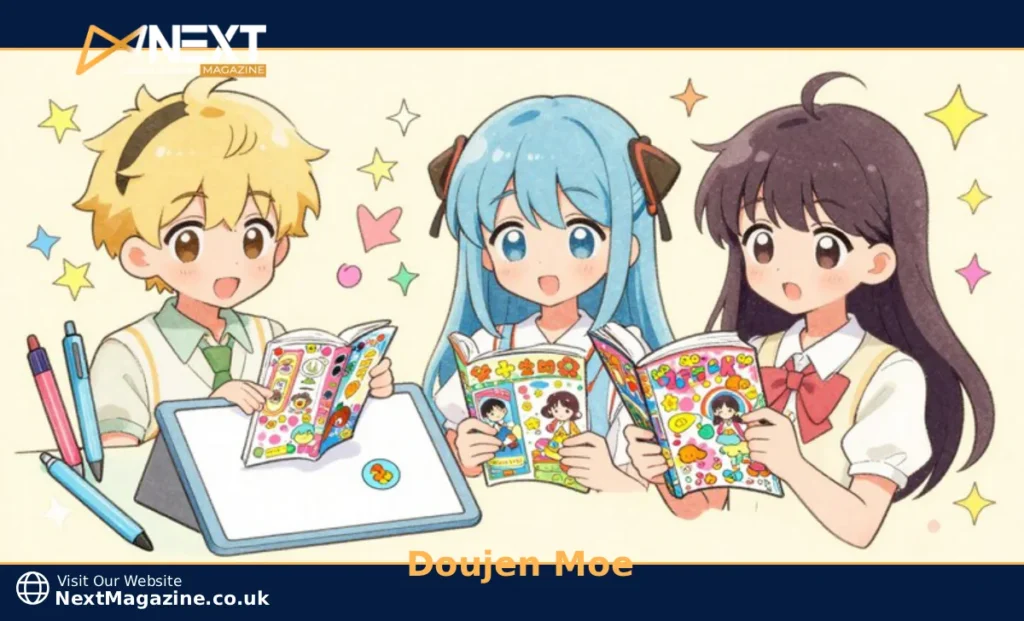
Artists building moe appeal incorporate several consistent elements. Eyes occupy a large portion of the face, often exceeding realistic proportions. Hair uses bright, unnatural colours with flowing movement. Body language remains soft and non-threatening, with characters often appearing slightly clumsy or uncertain.
Clothing choices lean toward school uniforms, casual wear, or outfits with ribbons and bows. The fashion reinforces youthful innocence and accessibility.
Where Doujen Moe Lives Online
Several platforms host thriving Doujen Moe communities, where members share their love for characters and storytelling through digital art.
Pixiv ranks as the largest Japanese illustration community platform, fostering vibrant online communities for artists and fans alike. Founded in 2007, it now hosts over 100 million works from creators worldwide, showcasing the diversity of anime and manga. Artists tag content with detailed keywords, making discovery easy. The platform supports both free viewing and paid content through Pixiv Fanbox.
Booth functions as Pixiv’s marketplace arm. Creators sell digital downloads and physical goods directly to fans. The platform handles payments and distribution, letting artists focus on creation and contributing to the rich tapestry of digital creativity.
Beyond Booth, specialised doujin-dedicated marketplaces serve as major hubs. Toranoana (虎の穴) and Melonbooks (メロンブックス) are among the largest, offering both physical retail space in Japan and robust online stores for digital and physical distribution. These platforms specifically cater to the doujin market, providing creators with established channels to reach dedicated buyers.
Twitter (now X) serves as a primary sharing space for work-in-progress posts and finished pieces. Artists use specific hashtags to reach target audiences. The platform’s image-friendly format suits visual content perfectly.
Reddit communities like r/doujinshi and r/AnimeSketch provide English-language discussion spaces. Fans share discoveries, ask questions, and connect with other enthusiasts.
Discord servers offer real-time chat and file sharing. Many artists run private servers where supporters access exclusive content and participate in community discussions about doujin moe explained.
How Doujin Artists Create and Share Work
Creating doujin content follows no single path, allowing for a diverse range of expressions within the digital creativity landscape. Artists choose methods based on skill level, resources, and goals, often inspired by the rich history of anime and manga.
Digital artists use programs like Clip Studio Paint, Photoshop, or free alternatives like Krita. Drawing tablets from Wacom, Huion, or XP-Pen enable precise control. Some creators work entirely on iPads using Procreate.
Traditional artists still produce hand-drawn work using manga manuscript paper, screen tones, and ink. Many blend approaches, drawing traditionally before scanning and finishing digitally.
Artists often form circles with friends or fellow creators. These groups collaborate on anthology books or split convention costs, fostering connections within the fandom culture. Circle membership provides creative feedback and shared workload during production.
Distribution happens through two primary physical channels. Consignment sales (委託販売) involve creators shipping bulk copies to specialised stores—such as Toranoana or Melonbooks—which handle retail display, customer transactions, and shipping logistics. Alternatively, personal mail-order (自家通販) means the artist manages inventory, packing, and direct shipping themselves, often through their own website or social media announcements. Physical sales also occur directly at conventions, where artists rent tables and sell directly to attendees.
Pricing varies widely, influenced by the unique aspects of each doujin and the evolving trends in digital culture. A 20-page doujin manga might sell for 300–800 yen ($2–6) at conventions. Digital versions often cost less. Some artists offer work free while accepting donations through services like Ko-fi or Patreon.
Doujin Moe vs. Commercial Anime Art
Several factors separate doujin work from commercial anime production, including the emphasis on storytelling and artistic expression.
Independence defines the core difference. Doujin artists answer to no editors, publishers, or production committees. They create what interests them personally. This freedom allows exploration of niche topics, experimental styles, and content that might not fit commercial markets.
Copyright occupies a distinct legal space in Japan. The system operates on the crime of private prosecution (親告罪) principle—meaning authorities generally do not take action against derivative works unless the original rights holder formally files a complaint. In practice, policies vary significantly: some companies openly allow derivative doujin sales under explicit guidelines (the Touhou Project series is a notable example of an IP that embraces fan works with clear rules); others permit sales only at offline events, while a few enforce strict bans. Many companies tolerate fan works as free marketing that builds fandom enthusiasm, as long as creators do not claim official status or significantly harm the original property’s market value.
Original doujin content faces no such concerns, thriving in the supportive environment of digital communities. Artists who create their own characters and worlds operate with complete legal freedom.
Commercial art emphasises consistency and mass appeal. Studio productions maintain uniform character designs across hundreds of animation frames. Doujin work accepts rougher execution in exchange for authentic personal expression.
Fan service in commercial anime often feels calculated, designed to sell merchandise or boost viewer numbers, contrasting with the genuine emotional connection found in doujin works. Doujin creators include fan service only when it serves their heartfelt creative vision, reflecting their passion for the source material.
Finding and Supporting Doujin Moe Content
You can explore Doujin Moe content through several legitimate channels.
Start with Pixiv for free browsing. Create an account and search using tags like “オリジナル” (original) or specific character names. The platform’s recommendation system helps discover new artists based on your viewing history.
Booth offers both free and paid content. Supporting artists through purchases helps sustain independent creation within the vibrant digital communities of Japanese pop culture. You’ll find everything from short manga to full art books and merchandise.
Attending conventions provides the fullest experience. Comiket occurs twice yearly in Tokyo (summer and winter), serving as a major event for doujin artists and fans to connect through their shared interests in pop culture. Anime Expo in Los Angeles, Comic Market events worldwide, and local conventions often feature artist alleys where creators sell work directly.
International fans can use proxy services to purchase physical doujin from Japanese retailers. Services like Buyee or Zenmarket handle the purchase and shipping process, making it easier for fans to engage with their favourite fandom culture.
Supporting artists means respecting their work. Never redistribute paid content without permission, as it undermines the future of doujin moe. Credit artists when sharing their work. Follow their stated rules about reposts and translations.
Cultural sensitivity matters, especially in storytelling that resonates with diverse online communities. Doujin culture has specific etiquette expectations. Don’t photograph artist tables without asking. Respect when artists decline international shipping, as it may impact their ability to manage their digital creativity effectively. Understand that some content is created for specific cultural contexts.
FAQs
Is doujinshi legal?
Original doujin works are completely legal and often serve as a form of artistic expression within pop culture. Fan works using existing characters exist in a grey area. In Japan, copyright operates under the crime of private prosecution principle—rights holders must actively file complaints for legal action to proceed. Many companies tolerate fan works as free promotion, though specific policies vary (some allow online sales, others restrict to conventions, and a few prohibit all derivative works). Laws also differ by country, so international creators should check their local regulations.
Can anyone create doujin moe art?
Yes. The barrier to entry is low. You need drawing ability and access to creation tools. No formal training, certification, or permission is required. Many successful doujin artists began as hobbyists who improved through practice and community feedback.
Where can I find doujin works?
Pixiv and Booth serve as primary digital sources. Specialised marketplaces like Toranoana and Melonbooks also offer extensive catalogues. Physical works require convention attendance or proxy purchasing services. Twitter hashtags like #doujinshi or #同人誌 help discover new content. Reddit communities compile recommendations and share findings, creating a hub for discussions around doujin moe.
What makes a character moe?
Moe emerges from design choices that trigger affection and protective feelings, deeply rooted in the origins of doujin moe. Large eyes, soft features, vulnerable expressions, and innocent personalities contribute. The character must feel approachable and genuine. Technical execution matters less than emotional authenticity. A simply drawn character can have strong moe appeal if the artist captures the right feeling.
How big is Comiket?
Comiket ranks as the world’s largest self-published comic book fair. Pre-pandemic attendance exceeded 750,000 visitors across three days. Over 35,000 circles participate, each selling their creations. The event occupies all of Tokyo Big Sight, one of Japan’s largest convention centres. Its economic impact on the area reaches billions of yen.

Emily Dawson
Emily writes culture, entertainment, and people-focused stories with an instinct to look past the headline. She gathers context most quick coverage skips and uses it to give readers a fuller introduction to whoever or whatever she's covering. Her pieces favor depth and accuracy over the fastest possible take.
View all articles →Get the Weekly Brief
The best guides and stories, delivered every Sunday.