
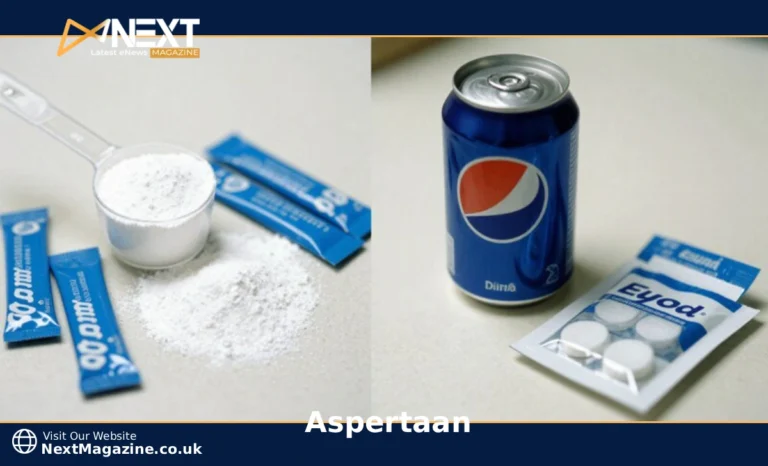
Aspertaan is a common misspelling of aspartame, an artificial sweetener approved by the FDA since 1981. It’s 200 times sweeter than sugar and used in over 6,000 products worldwide. Most people can safely consume it within recommended limits, but those with PKU must avoid it.
What Is Aspertaan (Aspartame)
Aspertaan is not an official scientific term. It’s a common misspelling or phonetic variation of aspartame, the artificial sweetener found in thousands of food and beverage products. If you searched for “aspertaan,” you’re looking for information about aspartame.
Aspartame was discovered accidentally in 1965 by chemist James Schlatter. He was working on an ulcer medication when he licked his finger and noticed an intensely sweet taste. This compound became one of the most widely studied food additives in history.
The sweetener consists of two amino acids (aspartic acid and phenylalanine) joined together with a methanol ester. These are the same amino acids your body gets from eating protein-rich foods like meat, eggs, and dairy. The unique structure makes aspartame roughly 200 times sweeter than table sugar, which means you need far less to achieve the same sweetness level.
You’ll find aspartame sold under several brand names, including NutraSweet, Equal, Canderel, and Sugar Twin. On ingredient labels in Europe, it appears as E951.
How Your Body Processes Aspartame
When you consume aspartame, your digestive system breaks it down into three components: aspartic acid (40%), phenylalanine (50%), and methanol (10%). This happens quickly in your small intestine.
Here’s what matters: these breakdown products occur naturally in many foods you already eat. A glass of tomato juice contains about six times more methanol than a can of diet soda sweetened with aspartame. A serving of milk provides more phenylalanine than several diet drinks combined.
Aspartame technically contains 4 calories per serving, the same as sugar. But because it’s 200 times sweeter, you need such tiny amounts that the calorie contribution is negligible. A packet of Equal contains fewer than 1 calorie.
Your body processes these amino acids the same way it handles amino acids from food proteins. They enter your bloodstream, get used for various metabolic functions, or get broken down further for energy. People with normal metabolic function clear these substances without issue.
The exception is individuals with phenylketonuria, which we’ll cover in detail below.
FDA Approval and Regulatory Status
Aspartame has one of the most documented approval histories of any food additive. The FDA first approved it in 1974 for limited uses. After addressing scientific concerns and conducting additional reviews, the agency reapproved it in 1981 for broader applications. By 1996, aspartame received approval as a general-purpose sweetener.
The FDA has reviewed over 100 studies examining potential toxic effects, including impacts on the nervous system, reproductive system, and cancer risk. The agency continues to monitor new research and consumer complaints. To date, no consistent pattern of adverse effects has emerged that would warrant withdrawing approval.
The FDA set the Acceptable Daily Intake at 50 milligrams per kilogram of body weight per day. The European Food Safety Authority and World Health Organization recommend a slightly more conservative ADI of 40 mg/kg/day.
What does this mean in practical terms? If you weigh 70 kilograms (154 pounds), you’d need to consume approximately 3,500 mg of aspartame daily to reach the US limit. A 12-ounce can of Diet Coke contains about 180-200 mg of aspartame. That means you’d need to drink 17-19 cans every single day to approach the safety threshold.
In July 2023, the International Agency for Research on Cancer classified aspartame as “possibly carcinogenic to humans” (Group 2B). This classification sounds alarming, but requires context. Group 2B is used when there’s limited evidence of carcinogenicity in humans. This same category includes pickled vegetables, aloe vera extract, and working night shifts.
Crucially, the Joint FAO/WHO Expert Committee on Food Additives reviewed the same evidence and concluded that “the evidence of an association between aspartame consumption and cancer in humans is not convincing.” They reaffirmed the 40 mg/kg ADI, stating that exposure at typical consumption levels does not pose a health concern.
Common Products Containing Aspartame
Aspartame appears in more than 6,000 products worldwide. You’ll most commonly encounter it in:
Diet soft drinks: Diet Coke, Coke Zero Sugar, Diet Pepsi, Diet Dr Pepper, and most other diet sodas use aspartame alone or in combination with other sweeteners.
Sugar-free gum: Major brands like Trident, Orbit, and Extra often use aspartame for sweetness without contributing to tooth decay.
Tabletop sweeteners: Blue Equal packets contain aspartame, providing a convenient sugar substitute for coffee, tea, and other beverages.
Low-calorie desserts: Sugar-free puddings, gelatins, ice cream, and yogurt frequently contain aspartame to maintain sweetness while reducing calories.
Medications: Some chewable vitamins, sugar-free throat lozenges, and children’s medications use aspartame for palatability.
To identify aspartame on labels, look for the word “aspartame” in the ingredients list. In the European Union, it appears as “E951.” Products containing aspartame must carry a warning statement: “Phenylketonurics: Contains Phenylalanine.” This warning helps people with PKU identify products they must avoid.
Who Should Avoid Aspertaan (Aspartame)
Phenylketonuria (PKU) – Critical Warning
Phenylketonuria is a rare genetic disorder affecting approximately 1 in 10,000 to 15,000 newborns in the United States. People with PKU cannot properly metabolize phenylalanine, one of aspartame’s components.
In individuals with PKU, phenylalanine accumulates to dangerous levels in the blood and brain. This can cause intellectual disability, seizures, behavioral problems, and other serious neurological issues. For this reason, people with PKU must follow a strict low-phenylalanine diet from birth.
All newborns in the US receive screening for PKU through a simple blood test, usually performed before leaving the hospital. If you or your child has PKU, you’ve been informed by medical professionals and received dietary counseling.
Federal law requires all products containing aspartame to display the warning “Phenylketonurics: Contains Phenylalanine” on the label. This mandatory disclosure helps PKU individuals quickly identify products to avoid.
Other Special Considerations
People with advanced liver disease may have difficulty processing phenylalanine effectively. Those with hyperphenylalanemia (elevated blood phenylalanine levels from any cause) should also limit aspartame intake.
Current evidence suggests that Aspartame is safe during pregnancy for women without PKU at normal consumption levels. However, pregnant women should discuss sweetener use with their healthcare provider as part of overall dietary planning.
Aspartame Safety Concerns Addressed
Cancer Risk
The cancer question generates the most concern about aspartame. Several large epidemiological studies have examined potential links between aspartame consumption and various cancers.
A 2006 study suggested Aspartame caused cancer in rats, but multiple scientific bodies, including the FDA and EFSA, found significant flaws in the study design and questioned the findings. Follow-up human studies have not confirmed these results.
The 2023 IARC classification as “possibly carcinogenic” (Group 2B) is based on three lines of evidence: limited evidence in humans, limited evidence in experimental animals, and limited mechanistic evidence. The American Cancer Society notes that while research continues, current evidence does not definitively link aspartame to cancer in humans at typical consumption levels.
For perspective, Group 2B also includes gasoline exhaust fumes (much stronger evidence) and pickled vegetables (similar, limited evidence). The classification identifies a potential hazard worth investigating further but does not establish a definite risk at normal exposure levels.
Neurological Effects
Some people report headaches after consuming aspartame. Controlled clinical studies examining this connection have produced mixed results. Some sensitive individuals may experience headaches, but large-scale studies have not established aspartame as a common headache trigger.
Early concerns about aspartame causing seizures focused on people with existing seizure disorders. Current evidence does not support a link between aspartame consumption at approved levels and increased seizure activity in most individuals with epilepsy. However, people with seizure disorders should discuss aspartame use with their neurologist.
A 2021 study found that large daily doses of aspartame (up to 50 mg/kg) did not affect neuropsychological, neurophysiological, or behavioral functioning in healthy young adults.
Weight Loss Effectiveness
Aspartame reduces calorie intake from beverages and foods, which theoretically supports weight management. However, whether this translates to actual weight loss remains complex.
Some studies suggest artificial sweeteners may increase appetite or alter metabolism in ways that offset calorie savings. Other research finds that replacing sugar-sweetened beverages with artificially sweetened alternatives helps reduce overall calorie intake and supports weight loss when combined with other dietary changes.
The consensus among nutrition experts is that aspartame can be a useful tool for reducing added sugar intake, but it is not a magic solution for weight loss. Overall diet quality, portion sizes, and physical activity matter far more than sweetener choice.
Blood Sugar and Diabetes
Aspartame does not raise blood glucose levels. When aspartame breaks down into amino acids, these components do not significantly impact blood sugar. This makes aspartame a useful option for people with diabetes who want sweet-tasting foods and beverages without the blood sugar spike from regular sugar.
The American Diabetes Association states that non-nutritive sweeteners, including aspartame, are acceptable for people with diabetes when consumed in moderation as part of an overall healthy eating plan.
Recent research has raised questions about whether regular consumption of artificial sweeteners might affect insulin sensitivity or gut bacteria in ways that could influence diabetes risk over time. However, current evidence remains inconclusive, and major health organizations continue to recognize aspartame as safe for diabetics when used appropriately.
Aspartame vs Other Sweeteners
Different artificial sweeteners have distinct properties. Here’s how aspartame compares:
| Sweetener | Sweetness vs Sugar | Calories | ADI (mg/kg) | Key Considerations |
|---|---|---|---|---|
| Aspartame | 200x | ~4 cal/g (negligible) | 40-50 | PKU warning required; loses sweetness when heated |
| Sucralose (Splenda) | 600x | 0 | 5 | Heat stable; suitable for baking |
| Stevia | 200-300x | 0 | 4 | Plant-derived; may have licorice-like aftertaste |
| Saccharin (Sweet’N Low) | 300-400x | 0 | 5 | Oldest artificial sweetener; some find bitter aftertaste |
| Acesulfame-K | 200x | 0 | 15 | Often combined with other sweeteners; heat-stable |
Each sweetener works differently. Aspartame breaks down when exposed to prolonged heat, making it unsuitable for most baking applications. Food manufacturers often combine aspartame with other sweeteners to achieve better taste profiles and heat stability.
Practical Guide to Using Aspertaan Safely
If you choose to consume products with aspartame, here’s how to do so safely:
Check ingredient labels for “aspartame” or “E951” to identify products containing it. The phenylalanine warning also signals aspartame’s presence.
Calculate your personal ADI limit by multiplying your weight in kilograms by 40 (or 50 for the US limit). For example, if you weigh 68 kg (150 lbs), your ADI is 2,720 mg per day (or 3,400 mg using the US limit).
Track your consumption if you regularly use multiple aspartame-containing products. One packet of Equal, one can of diet soda, and one serving of sugar-free yogurt might total 250-300 mg. For most people, even daily consumption of several products stays well below safety limits.
Consider rotating between different sweeteners if you consume large amounts of artificially sweetened products. This reduces your exposure to any single additive.
Pay attention to how your body responds. While most people experience no issues, if you notice consistent headaches, digestive discomfort, or other symptoms after consuming aspartame, try eliminating it for a few weeks to see if symptoms improve.
Consult your healthcare provider if you have PKU, seizure disorders, liver disease, or other health conditions before consuming aspartame regularly.
Final Verdict
Aspartame is one of the most extensively studied food additives in human history. After decades of research and ongoing monitoring, major food safety authorities worldwide, including the FDA, EFSA, Health Canada, and others, maintain that aspartame is safe for the general population when consumed within established ADI limits.
For most people, aspartame offers a way to enjoy sweet-tasting foods and beverages with fewer calories than sugar-sweetened alternatives. It can help reduce overall sugar intake, which benefits dental health and may support weight management when part of a broader healthy eating pattern.
The primary exception is people with PKU, who must strictly avoid aspartame due to their inability to metabolize phenylalanine. People with certain other medical conditions should consult healthcare providers.
The 2023 IARC classification as “possibly carcinogenic” warrants continued research but does not change current safety recommendations from regulatory bodies that conduct comprehensive risk assessments. Normal consumption levels remain well below amounts that would pose concern based on current scientific evidence.
If you prefer to avoid artificial sweeteners altogether, alternatives include stevia-based products, monk fruit sweetener, or simply reducing your expectation for sweetness over time by gradually cutting back on all sweeteners.
The choice to consume aspartame is personal. Armed with accurate information about its safety profile, approval status, and proper use, you can make an informed decision that aligns with your health goals and preferences.
FAQs
Is Aspertaan the same as aspartame?
Yes. Aspertaan is a common misspelling or phonetic variation of aspartame. When people search for “aspertaan,” they’re looking for information about aspartame, the artificial sweetener approved by the FDA and used in thousands of products worldwide.
How much aspartame is safe to consume daily?
The FDA set the Acceptable Daily Intake at 50 mg per kilogram of body weight. The WHO and EFSA recommend 40 mg/kg. For a person weighing 70 kg (154 lbs), this translates to 2,800-3,500 mg daily. A can of diet soda typically contains 180-200 mg, meaning you’d need to drink 14-19 cans daily to reach the safety limit.
Does aspartame cause cancer?
In July 2023, the IARC classified aspartame as “possibly carcinogenic” (Group 2B) based on limited evidence. However, the WHO’s Joint Expert Committee on Food Additives reviewed the same research and concluded that “evidence of an association between aspartame consumption and cancer in humans is not convincing.” They maintained that aspartame is safe at current consumption levels.
Can diabetics use aspartame?
Yes. Aspartame does not raise blood glucose levels and is considered safe for people with diabetes. The American Diabetes Association recognizes non-nutritive sweeteners like aspartame as acceptable options when used in moderation as part of a healthy eating plan. Always consult your healthcare provider about dietary choices.
What is PKU, and why does it matter for aspartame?
Phenylketonuria (PKU) is a rare genetic disorder affecting about 1 in 10,000-15,000 newborns. People with PKU cannot properly metabolize phenylalanine, one of aspartame’s components. Phenylalanine accumulation can cause serious neurological damage. All products containing aspartame must carry the warning “Phenylketonurics: Contains Phenylalanine.” People with PKU must strictly avoid aspartame.
Does aspartame raise blood sugar levels?
No. Aspartame breaks down into amino acids that do not significantly affect blood glucose. This makes it suitable for people monitoring blood sugar levels, including those with diabetes. Unlike regular sugar, aspartame provides sweetness without causing blood sugar spikes.
