
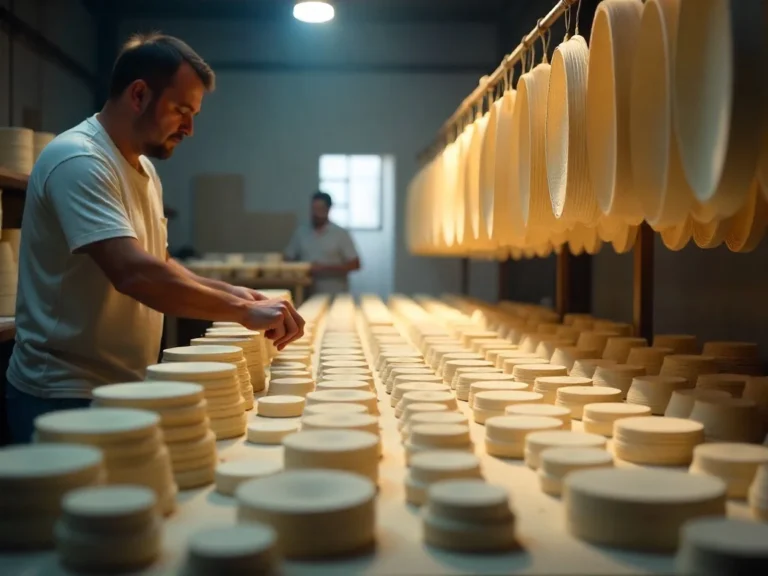
Moulded cellulose fibre has emerged as a versatile material for producing disposable tableware because it combines biodegradability, structural strength and heat resistance. Derived from renewable plant fibres such as wood pulp, sugarcane bagasse or wheat straw, moulded cellulose fibre provides a sustainable alternative to conventional plastic or foam tableware while retaining its durability.
- The manufacturing process begins with the preparation of the pulp. The raw plant fibres are cleaned and refined, and sometimes blended with natural binders or water-based additives to improve strength and flexibility.
- This pulp is then formed into moulds to define the shape and size of the desired product. For cups or bowl-shaped items, vacuum forming or hydraulic pressing is typically employed. In vacuum moulding, the pulp is deposited onto a perforated mould surface and suction removes the excess water, pressing the fibres into the mould and creating a uniform, dense structure that can retain liquid without leaking.
- After shaping, the tableware undergoes drying and curing. Controlled drying ensures dimensional stability and prevents warping, while curing can strengthen the fibre network.
- Many moulded cellulose fibre products have a thin, biodegradable coating on the interior surface, often made from polylactic acid (PLA) or other plant-based, water-resistant materials. This coating improves resistance to moisture, oils and heat, which is important for hot beverages and oily foods, while remaining compostable.
Cup lids https://univest-pack.com/shop/lids/fiber-lid/ made from moulded cellulose fibre undergo a similar production process, but require precise moulding to ensure a tight fit. The lids must be rigid for easy handling, while accommodating functional elements such as sip openings or straw holes. Designers often use denser or more compact fibre pulp for lids to improve their structural integrity and prevent deformation during use.
Molded cellulose fibre allows for surface customisation. Cups, plates and lids can be printed with water-based or flexographic inks to display branding, logos or information about recycling and composting. Embossing or texturing can be incorporated directly into the mould to add visual appeal and improve grip.
An additional advantage of cellulose fibre tableware is its environmental compatibility. After use, the products can be industrially composted or disposed of in organic waste streams, where they naturally break down without releasing microplastics or toxic residues.
In summary, moulded cellulose fibre is used to produce disposable tableware through a process involving pulp preparation, moulding, drying, coating and finishing. This results in strong, heat-resistant and biodegradable cups, lids, plates and bowls that are suitable for both hot and cold food. Thanks to its sustainability, versatility and functional performance, it is a popular choice in modern, eco-conscious catering and retail environments.
