


Table of Contents
- What is Adrenal Fatigue?
- Understanding Adrenal Function
- Symptoms of Adrenal Fatigue [Physical+Mental]
- Physical Symptoms
- Mental and Emotional Symptoms
- Natural Methods to Reverse Adrenal Fatigue
- Optimizing Nutrition for Adrenal Health
- Herbal Remedies and Supplements
- Prioritizing Sleep and Rest
- Establishing a Sleep Routine
- Quality Over Quantity
- 3 Stress Management Techniques
- Exercise and Adrenal Fatigue: Finding the Right Balance
- Low-Impact Exercise for Recovery
- Creating a Sustainable Fitness Plan
- Creating a Long-Term Plan for Adrenal Health
- Regular Check-ins on Energy and Stress Levels
- Maintaining Lifestyle Adjustments
- Common Myths About Adrenal Fatigue
- Myth 1: It’s Just Feeling Tired
- Myth 2: Quick Fixes Will Work
- Myth 3: You Can Ignore Adrenal Fatigue
- Frequently Asked Questions
- What are the key signs of adrenal fatigue?
- How long does it take to recover from adrenal fatigue?
- Can adrenal fatigue cause weight gain?
- Is adrenal fatigue recognized by medical professionals?
- Can I reverse adrenal fatigue naturally?
Adrenal fatigue is a condition that is caused by long-term stress. It leaves the adrenal glands overworked which leads to exhaustion.
Many people may experience burnout without recognizing it early on. If left unchecked, it can affect both our physical and mental well-being.
The good news is that there are several natural and non-invasive ways to treat adrenal fatigue. Little lifestyle changes like a better diet, stress management practices, and supplements, can help you regain balance.
Many people also turn to red light therapy as a safe alternative to healing.
Let’s discuss further what this is, the triggers, and how to find a natural path to improving your health.
What is Adrenal Fatigue?
Your adrenal glands work to help manage stress in the body. You develop adrenal fatigue when these glands are overworked and can’t function properly. The adrenal glands produce hormones like cortisol that help control metabolism, immune response, and energy levels.
A trigger for this can be prolonged stress which causes physical and emotional burnout. Symptoms include feeling tired all the time, constant mood swings, insomnia, and weight gain.
Understanding Adrenal Function
Adrenal glands play a key part in this type of stress.
In a stressful situation, the gland releases adrenaline and cortisol that prepare the body for what is to come. Cortisol is the main hormone in question and it directly impacts the body.
Maintaining a balanced cortisol level is important to keep feeling energized during the day. Prolonged stress is never good and can cause cortisol levels to spike initially and then eventually drop to abnormally low levels.
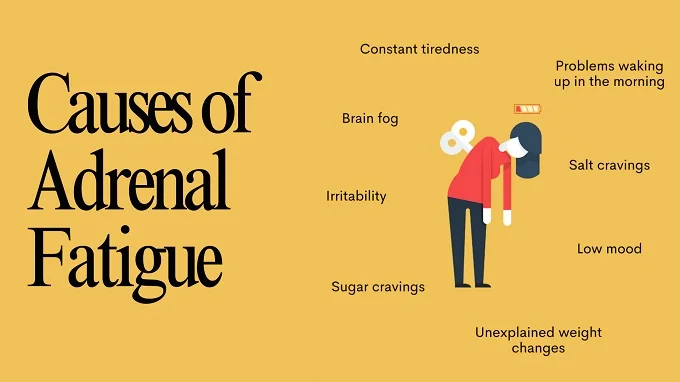
- Chronic Stress: Chronic stress from work pressure, personal issues, or financial concerns, can force the adrenal glands to produce cortisol constantly. Over time, this depletes the glands leading to low cortisol levels that increase adrenal fatigue.
- Poor Diet and Nutritional Deficiencies: If you have a lot of processed foods, sugar, and unhealthy fats, you are depriving your body of the essential nutrients. This is needed to keep adrenal function normal. Deficiencies of magnesium, vitamin C, and B vitamins, can increase adrenal fatigue.
- Lack of Sleep: An adult requires 7 to 8 hours of sleep. Having a poor sleep cycle disrupts the cortisol rhythm. So instead of winding down at night, the cortisol levels can stay active and strain the adrenal glands.
- Lifestyle Choices: If you live a life with minimal exercise, you run the risk of developing adrenal fatigue. This combined with unhealthy habits like caffeine intake can further weaken your adrenal health.
Symptoms of Adrenal Fatigue [Physical+Mental]
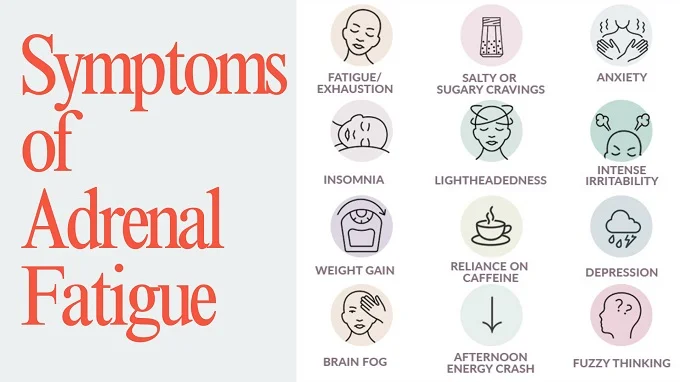
Common symptoms of adrenal fatigue can come in physical, mental, and emotional forms.
Physical Symptoms
- Persistent tiredness: Feeling exhausted in the morning even after having a good night’s sleep.
- Difficulty waking up: Having difficulty waking up in the morning.
- Cravings for salty or sweet snacks: You tend to crave sweets to overcome this lack of energy.
Mental and Emotional Symptoms
- Lack of motivation and irritability: You do not have the drive to complete simple tasks let alone complex ones.
- Brain fog: You have trouble focusing on things leading to mental fatigue, a symptom called brain fog.
- Feeling overwhelmed: Daily tasks can seem challenging which leads to a spike in anxiety.
Natural Methods to Reverse Adrenal Fatigue
If you want to reduce your level of fatigue here are some natural ways to control it. The focus in this case is on nutrition, rest, stress management, and supplements.
Optimizing Nutrition for Adrenal Health
Whole Foods and Nutrient-Rich Diet
Fix your diet by adding foods rich in vitamins and minerals to help recover your adrenal glands. Vitamins B and C, magnesium, and zinc are essential to increase hormone production and regulate energy. Make sure you have a lot of greens, nuts, seeds, and lean proteins.
Balanced Meals
Every meal you have must have a balance of protein, healthy fats, and complex carbohydrates. These help keep blood sugar levels stabilized and prevent cortisol spikes.
Herbal Remedies and Supplements
Adaptogens for Stress Relief
nutritionists and doctors prescribe adaptogenic herbs such as ashwagandha, Rhodiola, and holy basil; as they help the body cope with stress. They balance cortisol levels and make the body more resilient to things that induce stress.
Vitamins and Minerals
Make sure to keep these vitamins in your daily intake to keep your body healthy:
- Vitamin C reduces oxidative stress
- Vitamin B5 to ensure the body produces enough cortisol.
- Magnesium is to keep the nervous system relaxed for better sleep.
Prioritizing Sleep and Rest
Establishing a Sleep Routine
As an adult, you have to follow a proper sleep schedule to keep your body in good shape. This also helps in adrenal recovery. So go to bed and wake up at the same time each day to regulate cortisol production.
Quality Over Quantity
Sleeping 8 hours at any point in time will not help. You need to have a good quality sleep that takes long naps throughout the day. Change small things like being on your phone 30 minutes before going to bed.
3 Stress Management Techniques
1. Mindfulness and Meditation
Meditation has helped many people reduce the effects of stress. Meditation helps control breathing which in turn relaxes the body reducing overall fatigue.
2. Deep Breathing and Yoga
Deep breathing exercises and yoga can be a great way to lower cortisol levels if hitting the gym is not your thing. Yoga creates a sense of balance and calm in the body which is vital for improving adrenal health.
3. Time in Nature
In many countries, not getting enough sunlight during the day is a thing. Whenever you can spend some time sunbathing or for just a stroll.
Exercise and Adrenal Fatigue: Finding the Right Balance
Exercise can be a great way to stay healthy especially when dealing with adrenal fatigue. You have to find the right balance so that your body is not overburdened.

Low-Impact Exercise for Recovery
Gentle Activities
- Make sure you do gentle activities like walking, swimming, and yoga.
- These improve blood circulation, reduce stress, and boost overall well-being.
- As we mentioned before, yoga is especially beneficial, combining gentle movement with deep breathing to balance cortisol levels and relieve stress.
Avoiding Overtraining
High-intensity workouts can sometimes do more harm than good if you have adrenal fatigue. Intense exercise can raise cortisol levels which does the complete opposite of healing. Make a routine and stick to it without overtraining your body.
Creating a Sustainable Fitness Plan
When making your fitness plan make sure to add rest days and listen to your body’s signals. Your body needs time to recover and pushing it through fatigue slows down the healing process.
Creating a Long-Term Plan for Adrenal Health
Regular Check-ins on Energy and Stress Levels
Monitoring Your Progress
You can do many things to keep your body in check In the long term. If you feel you have adrenal stress, track your symptoms, energy levels, and overall health to figure out the best way you can recover.
Assess how you feel regularly to make necessary adjustments to your process. This can range from tweaking your diet to having more rest.
Seeking Professional Guidance
All the remedies will go to waste if you do not consult a doctor. Although many have improved their lifestyle from just these, there may be cases where you need professional guidance.
A doctor or nutritionist can give you insights into your current state. They will perform tests, and recommend treatment plans tailored to you to set you on the right path.
Maintaining Lifestyle Adjustments
Long-Term Nutrition and Supplements
Make sure to follow a nutrient-rich diet and have supplements like magnesium, vitamin C, and adaptogens to support your adrenal glands.
Sustainable Stress Management
Meditation, light exercises, and yoga can be a sustainable way to keep things in control and achieve long-term balance.
Common Myths About Adrenal Fatigue
Myth 1: It’s Just Feeling Tired
People misunderstand adrenal fatigue to be feeling exhausted. It is far more complex than that as it is a condition that involves hormonal imbalances and chronic stress.
Myth 2: Quick Fixes Will Work
You might think taking supplements alone will solve the issue. In reality, this condition demands lifestyle changes, including diet, rest, and stress management.
Myth 3: You Can Ignore Adrenal Fatigue
You should never ignore adrenal fatigue. If left untreated it can lead to more severe health complications, like immune dysfunction, weight gain, and chronic illness.
Frequently Asked Questions
What are the key signs of adrenal fatigue?
Adrenal fatigue can come in various forms like prolonged exhaustion, difficulty waking up, brain fog, feeling irritated, and craving sugary foods.
How long does it take to recover from adrenal fatigue?
To recover from adrenal fatigue, you need to give your body at least 6-12 months. The time is heavily dependent on how soon you address the problem and start taking steps to heal.
Can adrenal fatigue cause weight gain?
As cortisol imbalances are a symptom of adrenal fatigue, this in turn can lead to weight gain. The weight gain can primarily be around the abdominal area.
Is adrenal fatigue recognized by medical professionals?
No one can directly recognize adrenal fatigue. Some doctors may identify it from the symptoms but others need to diagnose the insufficiencies through a series of tests.
Can I reverse adrenal fatigue naturally?
Yes, you can reverse adrenal fatigue but it will take some time. With proper lifestyle changes and exercise, many people have succeeded in restoring balance naturally.
Stay tuned for more insights and updates on NextMagazine – your go-to source for the latest trends and expert tips!

Mia Saunders
Mia writes health, lifestyle, and wellbeing content with a careful, reader-first approach that never blurs fact and general guidance. She favors understandable language and sensible context over sweeping claims, treating her readers as capable of handling the distinction. Her pieces are calm, clear, and genuinely useful.
View all articles →Get the Weekly Brief
The best guides and stories, delivered every Sunday.