
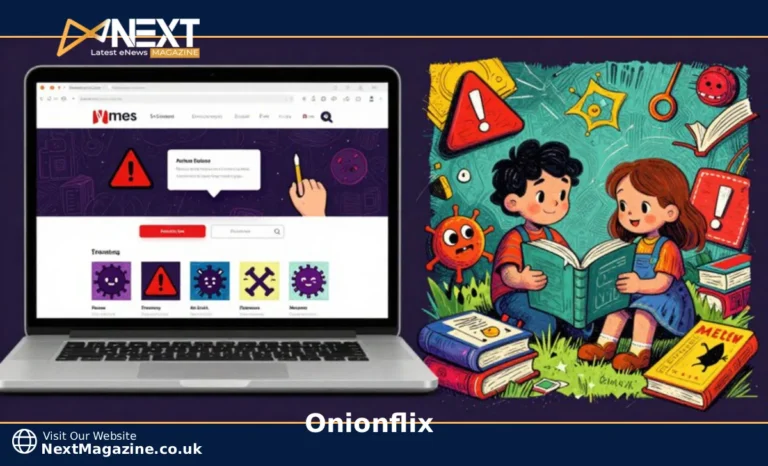
Onionflix is an unofficial streaming platform offering free movies and TV shows without subscriptions. These sites operate in legal gray areas, often hosting copyrighted content without permission. Users face security risks, including malware, data theft, and potential legal consequences when accessing such platforms.
Searching for free streaming options leads many people to sites like Onionflix. The promise is simple: watch unlimited movies and TV shows without paying a subscription fee. But before you click play, you need to understand what you’re actually accessing and what risks come with it.
This guide breaks down what Onionflix is, why it exists, and what dangers you might face. More importantly, you’ll learn about legitimate alternatives that won’t put your device or personal data at risk.
What Onionflix Actually Is
Onionflix is an unofficial streaming website that offers free access to movies and TV shows. You don’t need to create an account or enter payment information. You simply visit the site, search for content, and start watching.
These platforms typically host or link to copyrighted content without proper licensing. They generate revenue through advertisements, pop-ups, and sometimes by collecting user data. The content library often includes recent releases, popular TV series, and films from various countries.
The site frequently changes domains (like switching from .org to .cloud to .net). This happens when hosting providers shut them down or when legal authorities take action. You might find the site working one week and gone the next, only to reappear under a slightly different web address.
People search for Onionflix because streaming subscriptions add up quickly. Netflix, Disney+, HBO Max, and other services can cost $50 to $100 per month combined. Free alternatives seem attractive when you’re on a tight budget.
The Legal Reality of Using Onionflix
Streaming copyrighted content without proper licensing violates copyright law in most countries. Onionflix and similar sites don’t have permission from content owners to distribute their movies and shows.
The legal risk isn’t just theoretical. Your internet service provider (ISP) can see when you visit these sites. In some countries, ISPs are required to report this activity or may send warning letters. Repeat violations can result in internet service suspension or legal action.
Laws vary by region. In the United States, streaming copyrighted content falls into a legal gray area. Downloading is clearly illegal, but streaming has less clear precedent. The European Union has ruled that even streaming copyrighted content without authorization is illegal. Countries like India, Australia, and the UK actively block access to these sites.
The platforms themselves face serious legal consequences. Copyright holders regularly file lawsuits and work with authorities to shut down these operations. This is why the sites constantly change domains and hosting providers. They’re playing a cat-and-mouse game with law enforcement.
Safety Risks You Should Know About
Beyond legal concerns, these platforms pose direct threats to your device and personal information.
Malware infections are common. Free streaming sites make money through advertising networks that don’t screen their ads carefully. Malicious actors use these networks to distribute viruses, ransomware, and spyware. One wrong click can infect your entire system.
Data theft is another major concern. Many of these sites run scripts that collect information about your browsing habits, device specifications, and IP address. Some inject cryptocurrency miners that use your device’s processing power without your knowledge. Your computer slows down while someone else profits.
Phishing attempts happen frequently. Pop-ups and redirects may look like legitimate security warnings or software updates. They trick you into downloading harmful programs or entering sensitive information on fake login pages.
Aggressive advertising makes these sites frustrating to use. You’ll encounter multiple pop-ups per click, fake download buttons, and redirects to questionable websites. Some ads contain explicit content regardless of what you’re trying to watch.
How These Free Streaming Sites Work
Understanding the business model helps explain why these platforms exist and why they’re problematic.
These sites don’t create or license content. They either host pirated files on their servers or aggregate links from other sources. When you press play, you’re either streaming from their server or being redirected to a third-party host.
Revenue comes from advertising. The more intrusive and frequent the ads, the more money the operators make. This is why you face constant pop-ups and redirects. Every click potentially generates income for the site owners.
Data collection provides additional revenue. Your viewing habits, location data, and device information have value. Sites sell this information to advertisers or use it for targeted ad campaigns.
The platforms operate anonymously, often registered in countries with lax enforcement. They use proxy services to hide their real location and identity. When one domain gets shut down, they simply register a new one and redirect users to the new address.
This model isn’t sustainable long-term. Sites appear and disappear constantly. Any content library you bookmark might be gone tomorrow. There’s no customer service, no reliability guarantees, and no recourse if something goes wrong.
Signs a Streaming Site Is Unsafe
You can identify risky platforms by watching for specific warning signs.
Excessive pop-ups and redirects are the first red flag. Legitimate streaming services don’t bombard you with ads or force you through multiple pages before playing content. If you can’t click anywhere without triggering a new window, leave the site.
Missing contact information or company details indicate the operators want to stay anonymous. Legal services clearly display their business information, terms of service, and privacy policies. Sketchy sites hide this information or provide fake details.
Too-good-to-be-true content offerings are suspicious. If a free site has the same new releases as paid services on the same day, they’re not operating legally. Legal platforms have licensing delays or don’t carry certain content due to rights restrictions.
Poor video quality with inconsistent streaming suggests pirated sources. Legal services invest in reliable servers and high-quality encoding. Unofficial sites pull content from various sources with unpredictable quality.
No HTTPS encryption is extremely dangerous. The URL should start with “https://” and show a padlock icon. Sites without this encryption expose your data to anyone monitoring the network.
Legal Alternatives to Onionflix
You don’t need to risk legal trouble or malware infections to watch content. Several legitimate options exist at various price points.
Free Streaming Options
Tubi offers thousands of movies and TV shows completely free with ads. The platform is owned by Fox Corporation and operates legally through ad-supported licensing deals. Content quality is reliable, and the interface works smoothly across devices.
Pluto TV provides live TV channels and on-demand content without charge. You’ll watch ads, but the service is legal and safe. The selection includes news, sports, entertainment, and movies.
Crackle is Sony’s free streaming service with a rotating library of movies and original content. Ad-supported but legitimate, with decent video quality and no hidden risks.
YouTube has a free movies section with thousands of titles. Quality varies, but everything is legal and safe. Many classic films and indie content are available without charge.
Kanopy and Hoopla are free if you have a library card. These services partner with public libraries to offer streaming content. Selection includes films, documentaries, and educational content.
| Service | Cost | Ads | Content Library | Device Support |
|---|---|---|---|---|
| Tubi | Free | Yes | 40,000+ titles | All major devices |
| Pluto TV | Free | Yes | 250+ channels | All major devices |
| Crackle | Free | Yes | 1,000+ titles | All major devices |
| YouTube Free | Free | Some | Varies | All major devices |
| Kanopy | Free (library card) | No | 30,000+ titles | All major devices |
Low-Cost Paid Services
Peacock costs $5.99 monthly for the ad-supported tier. You get NBCUniversal content, including current shows, classic series, and movies.
Paramount+ starts at $5.99 per month with ads. The service includes CBS shows, Paramount movies, and live sports.
Apple TV+ costs $9.99 monthly with no ads. The library is smaller but features high-quality original content. New subscribers often get free trial periods.
Max (formerly HBO Max) offers a basic tier at $9.99 with ads. You get HBO content, Warner Bros. films, and original series.
Many services offer annual subscriptions at discounted rates. Bundling multiple services through your mobile carrier or internet provider can reduce costs significantly. Student discounts exist for many platforms.
If You Choose to Use These Platforms
Some people will use unofficial streaming sites despite the risks. If you make that choice, take steps to protect yourself.
A VPN (Virtual Private Network) masks your IP address and encrypts your internet traffic. This prevents your ISP from seeing which sites you visit. However, VPNs don’t protect against malware or make illegal activity legal. They’re a privacy tool, not a security solution or legal shield.
Quality VPNs cost $3 to $12 monthly. Free VPNs often sell your data or contain malware themselves. If you’re going to use a VPN, pay for a reputable service like NordVPN, ExpressVPN, or Mullvad.
Ad blockers are necessary for these sites. Use uBlock Origin or AdGuard to prevent pop-ups and malicious ad scripts. Install these as browser extensions before visiting any unofficial streaming site.
Keep your antivirus software updated and run regular scans. Windows Defender is adequate for basic protection, but consider Malwarebytes or Bitdefender for additional security layers.
Never enter personal information on these sites. Don’t create accounts, don’t enter email addresses, and never provide payment details. These platforms should never ask for such information anyway.
Use a dedicated browser for streaming from questionable sites. Keep your banking, shopping, and other important activities in a separate browser. This limits potential damage if you encounter malware.
Understand that these precautions reduce but don’t eliminate risk. You’re still accessing illegal content and exposing yourself to potential consequences.
Making the Smart Choice
The appeal of free content is understandable. Streaming subscriptions are expensive, and not everyone can afford multiple services.
Ask yourself what your time and security are worth. Dealing with constant pop-ups, low-quality streams, and malware risks wastes time. One serious malware infection can cost hundreds of dollars to fix. Legal troubles carry even higher costs.
Consider the ethics of content consumption. Creators, actors, writers, and production crews deserve payment for their work. Piracy undermines the entertainment industry and makes it harder for new creators to succeed.
Evaluate your actual viewing habits. Most people subscribe to services they rarely use. Cancel subscriptions you don’t watch regularly. Rotate services monthly based on what content you actually want to see. Watch a series on Netflix one month, switch to Disney+ the next.
Take advantage of free trials and promotional offers. Services regularly offer discounted rates for new subscribers. Use these opportunities to watch specific content legally without long-term commitment.
Share subscriptions legally with family or friends. Most services allow multiple profiles and simultaneous streams. Splitting costs makes paid services more affordable.
The bottom line is simple: Onionflix and similar platforms carry real risks with limited rewards. Legal alternatives exist at every price point, including completely free options. The safer, smarter choice is to use legitimate services that respect your security and privacy while supporting the content you enjoy.
