

Table of Contents
- What Is Tirzepatide?
- How Tirzepatide Works: GLP-1 + GIP Explained
- Tirzepatide for Weight Loss: What the Data Shows
- Tirzepatide for Type 2 Diabetes
- Tirzepatide vs. Semaglutide (Ozempic / Wegovy)
- Dosage: How Tirzepatide Is Prescribed
- Standard titration schedule:
- Side Effects: Common and Serious
- Common side effects:
- More serious but less common:
- Who should not take tirzepatide:
- How Fast Does It Work?
- Cost and How to Access It
- List price without insurance:
- With insurance:
- Realistic Expectations
- Conclusion
- FAQ
- Is tirzepatide safe for long-term use?
- How does tirzepatide compare to Ozempic?
- What happens when I stop taking it?
- Who qualifies for tirzepatide?
Tirzepatide has quietly become one of the most talked-about medications in modern medicine. Since the FDA approved it in 2022, doctors, researchers, and patients have taken notice — and the clinical data behind it is hard to ignore.
The weight loss results in trials were unlike anything previously seen in a prescription medication. Blood sugar control in people with type 2 diabetes improved dramatically. But amid all the attention, most people still have the same core questions: How does it work? Is it safe? How does it compare to Ozempic? And is it a realistic option for them?
Here’s a clear, honest breakdown.
What Is Tirzepatide?
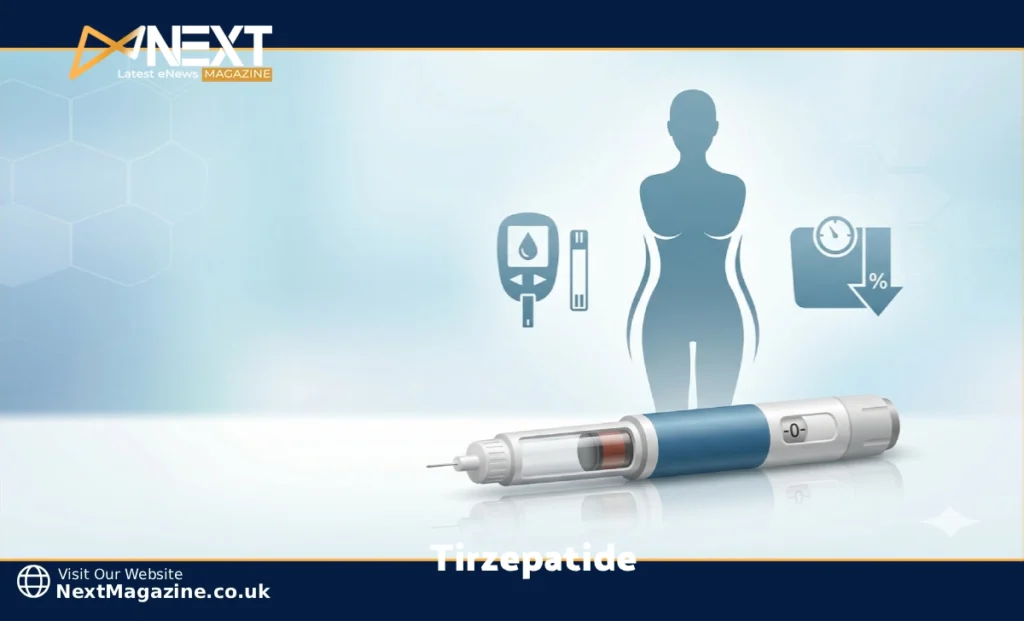
Tirzepatide is a prescription injectable medication developed by Eli Lilly. The FDA approved it in May 2022 under the brand name Mounjaro for type 2 diabetes, then again in November 2023 under the brand name Zepbound specifically for chronic weight management in adults with obesity or weight-related health conditions.
It belongs to a new category of medications called dual agonists — drugs that target two hormone receptors at the same time. This is what separates it from older GLP-1 medications.
How Tirzepatide Works: GLP-1 + GIP Explained
To understand why tirzepatide works, you need to know about two hormones your gut releases after eating:
GLP-1 (glucagon-like peptide-1) signals your pancreas to release insulin, slows digestion, and tells your brain you’re full. Drugs like Ozempic and Wegovy target this receptor.
GIP (glucose-dependent insulinotropic polypeptide) amplifies insulin release and appears to influence how your body stores and uses fat. No widely used weight-loss drug targeted this receptor before tirzepatide.
By activating both simultaneously, tirzepatide produces a stronger appetite-suppressing and blood sugar-regulating effect than GLP-1 medications alone. You feel fuller sooner, digest more slowly, and release insulin more efficiently. Over time, the body stores less fat.
This isn’t theory — the clinical evidence backs it up clearly.
Tirzepatide for Weight Loss: What the Data Shows
The SURMOUNT-1 trial, published in the New England Journal of Medicine, enrolled over 2,500 adults with obesity but without diabetes. After 72 weeks:
- Participants on the 15 mg dose lost an average of 22.5% of their body weight
- Many individuals lost more than 20%, a threshold previously linked only to bariatric surgery
- The placebo group lost approximately 2.4%
For a 250-pound person, 22.5% equals roughly 56 pounds. Before GLP-1 and dual agonist medications entered the picture, most weight-loss drugs produced 5–10% reductions at best.
SURMOUNT-2, which studied adults with type 2 diabetes, showed lower but still significant weight loss — around 15% of body weight at the highest dose.
Tirzepatide for Type 2 Diabetes
Before the weight-loss headlines, tirzepatide was studied extensively for blood sugar control in the SURPASS trial program.
Results across multiple studies showed HbA1c reductions of 1.8% to 2.4%, depending on dose. HbA1c is a three-month blood sugar average — reducing it by this amount is clinically meaningful. In the highest-dose groups, many participants reached HbA1c levels below 5.7%, which falls in the normal range.
It also reduced fasting glucose, blunted post-meal blood sugar spikes, and in some cases allowed patients to reduce other diabetes medications under medical supervision.
Tirzepatide vs. Semaglutide (Ozempic / Wegovy)
This is the comparison most people are researching. Both are weekly injections. Both work on GLP-1 receptors. But there are meaningful differences.
| Feature | Tirzepatide | Semaglutide |
|---|---|---|
| Mechanism | Dual (GLP-1 + GIP) | Single (GLP-1 only) |
| Brand names | Mounjaro, Zepbound | Ozempic, Wegovy |
| Average weight loss | ~15–22% | ~10–15% |
| FDA approval (weight loss) | 2023 | 2021 |
| Weekly injection | Yes | Yes |
| Manufacturer | Eli Lilly | Novo Nordisk |
A 2023 analysis in JAMA Internal Medicine using real-world data found that tirzepatide users lost significantly more weight than semaglutide users over 12 months.
The honest takeaway: tirzepatide tends to produce greater average weight loss. Whether that difference matters for a specific patient depends on their health profile, how their body responds, and what their insurance covers.
Dosage: How Tirzepatide Is Prescribed
Tirzepatide is injected once weekly under the skin — typically in the abdomen, thigh, or upper arm.
Standard titration schedule:
- Weeks 1–4: 2.5 mg (starting dose to reduce early side effects)
- Weeks 5–8: 5 mg
- Weeks 9–12: 7.5 mg
- Weeks 13–16: 10 mg
- Weeks 17–20: 12.5 mg
- Week 21 onward: 15 mg (maximum dose, if needed and tolerated)
Doctors adjust the schedule based on how well each patient tolerates the medication. Many people see strong results at 10 mg or 12.5 mg without needing the maximum dose.
Side Effects: Common and Serious
Most side effects are gastrointestinal and tend to peak early, then improve as the body adjusts.
Common side effects:
- Nausea (most frequent, especially when starting or increasing dose)
- Diarrhea
- Vomiting
- Constipation
- Reduced appetite
- Stomach discomfort
More serious but less common:
- Pancreatitis — severe abdominal pain requires immediate medical attention
- Gallbladder problems — rapid weight loss with any treatment can raise gallstone risk
- Thyroid tumours — seen in animal studies; tirzepatide carries a boxed warning for people with a personal or family history of medullary thyroid carcinoma or MEN2 syndrome
- Hypoglycemia — more likely when combined with insulin or sulfonylureas
- Kidney stress — severe dehydration from vomiting or diarrhoea can strain the kidneys
Who should not take tirzepatide:
- People with a history of medullary thyroid cancer or MEN2
- Pregnant or breastfeeding women
- Anyone with a known allergy to the medication
- People with severe gastrointestinal conditions like gastroparesis
How Fast Does It Work?
Most people notice appetite changes within the first week or two. Measurable weight loss typically appears within the first month.
In clinical trials, meaningful weight reduction was visible by week 12, with the most significant changes occurring between weeks 12 and 36. Improvements in blood sugar for diabetic patients can appear even faster — sometimes within the first few weeks.
One important point: tirzepatide is not a standalone solution. Every major trial was conducted alongside dietary guidance and lifestyle counselling. Results are better — and more sustained — when patients make parallel changes to their diet and activity levels.
Cost and How to Access It
List price without insurance:
- Mounjaro: approximately $1,023–$1,100 per month
- Zepbound: approximately $1,059 per month
With insurance:
- Mounjaro (diabetes) has better commercial insurance coverage than Zepbound
- Medicare coverage for Zepbound remains limited but is evolving
- Eli Lilly offers a savings card — eligible commercially insured patients may pay as little as $25/month
Tirzepatide requires a valid prescription. You can get one through your primary care doctor, an endocrinologist, or a licensed telehealth platform that operates in your state. Be cautious of online sources claiming to sell it without a prescription — these are not legal and carry genuine safety risks.
Realistic Expectations
Average trial results are not personal guarantees. Weight loss varies based on starting weight, whether you have diabetes, how well you tolerate dose increases, your diet, and genetics.
Some people lose 25–30% of their body weight. Others see 10–12%. A small percentage don’t respond significantly. What the data does confirm is that tirzepatide produces more consistent and larger weight loss than any previously approved medication in this category.
One reality worth knowing upfront: stopping tirzepatide typically leads to weight returning. This reflects how central these hormones are to ongoing appetite regulation — not a failure of the drug. It’s something to discuss with your doctor before starting.
Conclusion
Tirzepatide represents a genuine step forward in treating both obesity and type 2 diabetes. Its dual-hormone mechanism produces results that weren’t achievable with older medications, and the evidence behind it is substantial.
It’s not a perfect solution for every patient, and it’s not a replacement for sustainable lifestyle habits. But for people who qualify and tolerate it well, it offers a level of clinical effectiveness that wasn’t available before.
The real question isn’t whether tirzepatide works — the data is clear on that. The question is whether it’s the right fit for your specific situation. That answer starts with a conversation with a qualified doctor.
FAQ
Is tirzepatide safe for long-term use?
Current data through 72–88 weeks shows a solid safety profile. Longer-term trials are ongoing. It’s not appropriate for people with certain thyroid conditions — your doctor will assess this before prescribing.
How does tirzepatide compare to Ozempic?
Tirzepatide targets two hormone receptors (GLP-1 and GIP); Ozempic targets one (GLP-1). Real-world and clinical data generally show greater average weight loss with tirzepatide, though both are effective options.
What happens when I stop taking it?
Most people regain a significant portion of lost weight after stopping. This is consistent across GLP-1 and dual agonist medications and reflects the hormone’s ongoing role in appetite control.
Who qualifies for tirzepatide?
Adults with type 2 diabetes (Mounjaro) or adults with a BMI of 30+, or a BMI of 27+ with at least one weight-related health condition (Zepbound). A full medical evaluation is required before prescribing.

Amelia Carter
Amelia writes reader-friendly lifestyle and culture pieces built around one goal: make it easy to follow. She skips the jargon and gets straight to the practical context a reader actually needs. Her style is unfussy and direct, more interested in clarity than cleverness, which makes her work an easy, dependable read on ordinary, everyday topics.
View all articles →Get the Weekly Brief
The best guides and stories, delivered every Sunday.