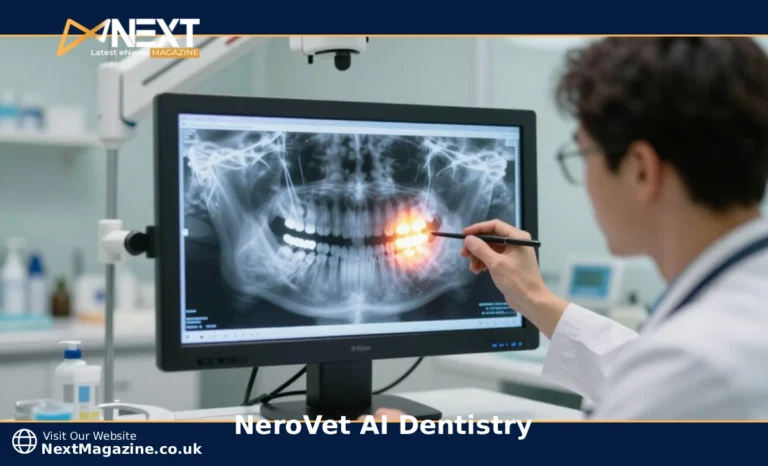
NeroVet AI Dentistry is a veterinary diagnostic software that analyzes dental radiographs using artificial intelligence. The system detects periodontal disease, fractures, and oral pathologies in dogs, cats, and exotic animals, providing tooth-by-tooth analysis with confidence scores within seconds of uploading X-rays.
Dental disease affects 80% of dogs and 70% of cats over age three. Most pet owners miss the early signs. Traditional visual exams catch obvious problems like tartar buildup or severe inflammation, but subtle changes slip through. Hairline fractures, early periodontal pockets, and beginning root decay need detailed imaging analysis.
NeroVet addresses this diagnostic gap. The platform gives veterinarians AI-powered support for reading dental radiographs, catching issues that busy practitioners might overlook during packed appointment schedules.
What NeroVet AI Dentistry Actually Does
NeroVet analyzes digital dental X-rays through cloud-based software. You upload a radiograph, and the system processes it within seconds. The AI examines bone density, tooth structure, gum line position, and root integrity across every tooth.
The software works with dogs, cats, horses, and exotic animals. Each species has unique dental anatomy. The AI accounts for these differences when making assessments. A cat’s tooth resorption pattern looks different from a dog’s fractured carnassial, and the system knows this.
The platform detects several conditions: periodontal disease at various stages, tooth fractures and cracks, root abnormalities and abscesses, oral lesions and tumors, bone loss around tooth roots, and abnormal tooth wear patterns.
You get visual overlays on the X-ray images. Problem areas appear highlighted. Each finding comes with a confidence score. This helps you understand how certain the AI is about each assessment.
How the AI Analysis Works
The system uses deep learning models trained on over 55,000 real veterinary dental cases. These aren’t human dental images adapted for animals. The training data comes from actual veterinary radiographs showing the full range of conditions vets encounter.
When you upload an X-ray, the algorithm runs pattern recognition across the image. It compares what it sees to patterns it learned during training. The system handles imperfect images, too. Not every radiograph you take in practice will be textbook quality, and the AI works with real-world image conditions.
Processing happens in real time. Upload an X-ray, and results appear in under a minute. The system generates a detailed report with specific findings, confidence levels for each diagnosis, a tooth-by-tooth breakdown, and treatment recommendations based on veterinary dental protocols.
The AI continues learning. As more clinics use the platform and more cases get processed, the algorithms get refined. Regular updates improve accuracy based on new data patterns.
Clinical Accuracy and Limitations
NeroVet reports 94% accuracy for periodontal disease detection. This exceeds traditional visual examination rates. Studies show experienced veterinarians miss dental pathology on radiographs 30-40% of the time. This isn’t about skill. Dental radiographs are complex, structures overlap, and changes develop gradually.
The AI performs best with clear, properly positioned radiographs. Image quality matters. Poor positioning or exposure problems can affect accuracy. The system also excels at detecting patterns it’s seen frequently during training. Common conditions like periodontal disease get flagged reliably.
Where does AI struggle? Extremely rare pathologies with limited training data may get missed. Novel presentations of disease can confuse the algorithm. The system also can’t assess patient behavior, palpate lymph nodes, or evaluate the overall health context. It reads images, period.
When AI findings conflict with your clinical assessment, trust your judgment. The technology provides a second opinion, not a final diagnosis. Document both the AI findings and your clinical reasoning in the medical record.
Integration Into Your Practice Workflow
Setup takes less than one day. NeroVet runs on cloud infrastructure, so you skip expensive hardware purchases or complex IT changes. Most existing digital X-ray equipment works with the system. You need internet access and a way to upload images.
Staff training requires 2-3 hours. Online modules cover system operation, report interpretation, and client communication strategies. Most team members complete training in a single session. Ongoing support is available for questions.
The daily workflow is simple. Take dental radiographs as usual during exams, upload images to the NeroVet platform through your browser or integrated system, review AI-generated reports and visual overlays, combine AI findings with physical exam results, and discuss findings with pet owners using clear visual reports.
Data security meets veterinary industry standards. The platform uses encrypted connections and secure storage. Patient information stays protected according to current regulations.
Some practices integrate NeroVet with their practice management software. This creates seamless documentation. Others use it as a standalone tool. Both approaches work.
Cost Considerations and ROI
NeroVet operates on subscription pricing. Plans vary based on practice size and case volume. Free users get three analyses per month for testing the platform. Paid tiers offer unlimited analyses and additional features.
You avoid major equipment costs. No specialized hardware is required beyond standard digital radiography gear, which most practices already own. The cloud-based model means no server purchases or IT maintenance expenses.
Time savings matter for ROI. Reading a dental radiograph manually takes 10-15 minutes per patient when done thoroughly. AI analysis happens in seconds. This frees up time for client communication or additional appointments.
Diagnostic accuracy improvements affect revenue. Better detection leads to appropriate treatment plans. Clients accept recommendations more readily when you show them clear AI-generated visual reports. Practices report higher treatment acceptance rates after implementing NeroVet.
Client satisfaction goes up, too. Pet owners appreciate thorough, technology-supported care. They see you’re using advanced tools to protect their animals. This builds trust and encourages referrals.
When AI and Clinical Judgment Differ
AI provides data. You make decisions. Sometimes the AI flags something you don’t see clinically. Other times, your exam reveals issues the AI missed. Both scenarios require professional judgment.
When AI spots something unexpected, verify it. Take additional views if needed. Examine the area physically. Check patient history for relevant factors. The AI might catch an early change you’d otherwise miss.
When your exam finds problems the AI doesn’t flag, document everything. Remember that AI reads images only. You have the complete picture: patient behavior, palpation findings, breed predispositions, and historical context. Your clinical assessment incorporates information the AI never sees.
Use AI as one input in your decision-making process. Combine AI insights with physical examination, patient history, breed-specific considerations, owner observations, and your clinical experience. This integrated approach delivers the best patient outcomes.
Document your reasoning in medical records. Note what the AI found, what your physical exam revealed, and why you chose your treatment plan. Clear documentation protects you and provides continuity of care.
Pet Dental Disease Detection Rates
Dental disease ranks among the most common health problems in companion animals. By age three, 80% of dogs show some form of dental disease. Cats reach 70% by the same age. These numbers represent millions of pets suffering from preventable oral health problems.
Why do detection rates stay low? Visual examination catches advanced disease easily. You see heavy tartar, red, inflamed gums, or obviously broken teeth. But early-stage problems hide below the gum line or show only subtle radiographic changes.
Pet owners rarely notice problems until their animals show pain. By then, the disease has progressed. A cat with early tooth resorption might eat normally for months. A dog with a hairline fracture won’t complain. Animals hide discomfort instinctively.
Early detection changes outcomes completely. Stage one periodontal disease responds to cleaning and preventive care. Catch a cracked tooth before it abscesses, and you prevent emergency surgery. Find root problems early, and extraction becomes straightforward instead of complicated.
Cost savings benefit pet owners, too. Early intervention costs hundreds. Advanced dental surgery costs thousands. Prevention beats crisis management every time.
Real Practice Implementation Examples
Small practices with 2-3 veterinarians report significant workflow improvements. Dr. Sarah Chen runs a two-doctor clinic in suburban Colorado. Before NeroVet, dental radiograph interpretation consumed 30-40 minutes per dental patient. Now she reviews AI reports in 5 minutes and spends the saved time discussing findings with clients. Her treatment acceptance rates increased by 35% in six months.
Multi-veterinarian practices face consistency challenges. Five different doctors might read the same radiograph five different ways. NeroVet provides standardized analysis across the entire team. This creates consistency in diagnostics and treatment recommendations.
Specialists use NeroVet differently from general practitioners. Board-certified veterinary dentists employ it for quality assurance and second opinions on complex cases. General practitioners rely on it more heavily for routine screening and early detection during wellness exams.
Client communication improves universally. Pet owners understand visual reports better than verbal descriptions. The AI-generated overlays show exactly where problems exist. This transparency builds trust. Owners see the evidence supporting your treatment recommendations.
Future Development and Updates
NeroVet’s development roadmap includes several expansions. The platform will add more exotic species support, including rabbits, ferrets, and reptiles. Each species requires specific training data reflecting its unique dental anatomy.
Predictive modeling represents another frontier. Future versions may analyze current dental health to forecast potential problems. Imagine identifying pets at high risk for periodontal disease before symptoms appear. Prevention becomes truly proactive.
Integration with robotic surgical systems could enable AI-guided procedures. While this remains years away, the technology foundation exists. Telemedicine platforms might incorporate NeroVet for remote consultations with dental specialists. Rural practices could access expert opinions without patient travel.
The AI itself keeps improving. Every case processed adds to the learning database. Regular algorithm updates refine detection capabilities. Accuracy rates will increase as the system encounters more rare conditions and unusual presentations.
Market adoption continues to grow. More practices recognize the value of AI-supported diagnostics. Early adopters report improved patient outcomes, increased revenue, and enhanced job satisfaction among staff who appreciate having advanced tools supporting their work.
Making the Decision
NeroVet AI Dentistry offers real benefits for veterinary practices. The technology catches problems humans miss, saves diagnostic time, and improves client communication. But it’s a tool, not a replacement for clinical expertise.
Consider whether your practice handles enough dental cases to justify the investment. Evaluate your current radiograph interpretation accuracy. Think about your team’s willingness to adopt new technology. Review your equipment compatibility and internet infrastructure.
The system works best when veterinarians understand its capabilities and limitations. AI supports your judgment. It doesn’t make decisions for you. You remain responsible for patient care, treatment planning, and outcomes.
For practices committed to advancing their dental care quality, NeroVet provides measurable value. The technology exists now. It’s proven. And it’s changing how veterinarians approach one of the most common health problems affecting companion animals.
