

Table of Contents
- What Are PEMF Therapy Devices?
- How PEMF Therapy Devices Work
- Improved Cellular Energy Production (ATP)
- Enhanced Oxygen Delivery and Microcirculation
- Improved Cellular Communication
- Reduction of Inflammatory Responses
- Benefits of PEMF Therapy Devices
- Pain Relief Support
- Faster Recovery After Physical Activity
- Improved Circulation
- Reduced Inflammation
- Bone Healing Support
- Improved Sleep and Relaxation
- Targeted PEMF Therapy vs. Full-Body Mats
- Why Many Users Choose MendWave PEMF Therapy Devices
- Targeted Dual-Loop Technology
- Adjustable Frequency and Intensity
- Deep Tissue Penetration
- Portable and Convenient
- Drug-Free Recovery Support
- Common Uses for PEMF Therapy Devices
- Is PEMF Therapy Safe?
- How to Use a PEMF Device: Session Guidelines
- Choosing the Right PEMF Therapy Device
- Targeted vs. Whole-Body Therapy
- Frequency Range
- Intensity (Gauss Output)
- Ease of Use
- Reliability and Build Quality
- Frequently Asked Questions
- Is PEMF therapy FDA approved?
- How often should I use a PEMF device?
- What is the difference between PEMF and TENS therapy?
- Can PEMF therapy help with arthritis?
- Are there any side effects?
- Can I use PEMF therapy alongside other treatments?
- Experience the Benefits of MendWave PEMF Therapy
Pulsed Electromagnetic Field (PEMF) therapy devices are gaining attention as a natural, non-invasive way to support the body’s healing process. From athletes and wellness enthusiasts to individuals managing chronic discomfort, more people are exploring PEMF therapy as a tool to help improve recovery, reduce pain, and enhance overall well-being.
Chronic pain affects an estimated 1.5 billion people worldwide, and many are actively seeking non-pharmacologic approaches to manage their symptoms. While PEMF therapy is not a replacement for medical treatment, certain PEMF technologies have received FDA clearance for specific applications, including supporting bone healing — a milestone that has helped bring this technology into mainstream conversation.
Modern lifestyles can place a great deal of stress on the body. Long hours sitting at a desk, intense workouts, injuries, and the natural ageing process can all affect how well the body recovers. When the body struggles to repair itself efficiently, pain, stiffness, and inflammation can follow.
This is where PEMF therapy devices may offer support. By delivering gentle electromagnetic pulses to the body, PEMF works at the cellular level to help promote natural healing and improved function.
In this article, we’ll explore how PEMF therapy devices work, the potential benefits they offer, and why targeted PEMF systems, like MendWave, are becoming a popular choice for individuals seeking convenient at-home therapy.
What Are PEMF Therapy Devices?
PEMF therapy devices use low-frequency electromagnetic pulses to stimulate cells and tissues in the body. Most devices used in research operate between 1 and 100 Hz — a frequency range that aligns closely with the body’s own electromagnetic activity. These pulses interact with the body’s natural electrical signals, helping support healthy cellular function.
Every cell in the human body relies on electrical signals to carry out its functions. These signals help regulate important processes such as nutrient exchange, waste removal, and energy production. When cells become stressed or damaged due to injury, inflammation, or poor circulation, their electrical balance can become disrupted.
PEMF therapy works by delivering controlled electromagnetic pulses that may help restore this balance and support optimal cellular activity.
Many researchers believe that PEMF therapy may help encourage the body’s natural repair mechanisms by stimulating biological processes that contribute to healing and recovery.
PEMF devices are designed to safely deliver these electromagnetic signals through applicators such as coils, loops, or pads that are placed near the targeted area of the body. Because electromagnetic fields can pass through skin and tissue, PEMF therapy can reach deeper areas that may be difficult to treat with topical methods alone.
How PEMF Therapy Devices Work
PEMF devices generate pulsed electromagnetic fields using specialised electronic circuits and coils. When the device is activated, these coils emit controlled electromagnetic pulses that pass through the body’s tissues.
Different devices may use different waveform patterns — such as sinusoidal, square, or sawtooth waves — each of which interacts with tissue in slightly different ways. Sinusoidal waveforms have the most published research behind them, though other waveforms are also being studied for specific applications.
Although these pulses are very gentle, they can influence cellular activity in several important ways. Research suggests PEMF therapy may help support:
Improved Cellular Energy Production (ATP)
Cells rely on adenosine triphosphate (ATP) to perform essential functions. PEMF therapy may help stimulate mitochondrial activity and ATP production, giving cells more energy to repair and function properly.
Enhanced Oxygen Delivery and Microcirculation
Healthy circulation allows oxygen and nutrients to reach tissues that need them most. Research has shown that PEMF therapy may have beneficial effects on microcirculation and angiogenesis — the formation of new blood vessels — which can support targeted tissue repair and reduce localised swelling.
Improved Cellular Communication
Electromagnetic stimulation may help improve how cells communicate with each other, which can support coordinated healing responses across damaged tissues.
Reduction of Inflammatory Responses
Inflammation is a natural part of the healing process, but excessive or chronic inflammation can slow recovery and contribute to ongoing pain. PEMF therapy may help modulate inflammatory activity, supporting a more balanced response.
By encouraging these biological responses, PEMF therapy devices may help the body recover more efficiently from injury, stress, or chronic discomfort.
Benefits of PEMF Therapy Devices
Many people turn to PEMF devices as part of their wellness and recovery routines. While individual results may vary, a growing body of research points to several potential benefits.
Pain Relief Support
One of the most common reasons people explore PEMF therapy is to help manage pain and discomfort. This is especially relevant for conditions like osteoarthritis — a degenerative joint condition that affects an estimated 22.9% of adults over 40 globally, with knee osteoarthritis accounting for approximately 75% of the worldwide burden.
Research on PEMF therapy for knee osteoarthritis has shown promising results. A systematic review published in BMC Musculoskeletal Disorders found that PEMF significantly improved pain, function, and stiffness scores compared to control groups, leading the authors to recommend PEMF as a viable supplementary therapy.
By supporting circulation and helping regulate inflammation, PEMF therapy may help reduce discomfort in joints, muscles, and connective tissues. Many individuals with chronic pain conditions are seeking non-drug alternatives that support the body’s natural healing abilities.
Faster Recovery After Physical Activity
Athletes and physically active individuals often place high demands on their muscles and joints. PEMF therapy devices may help support faster recovery after workouts or sports injuries by encouraging cellular repair and reducing inflammation.
Regular sessions may help athletes maintain mobility and return to activity more quickly.
Improved Circulation
Healthy circulation is essential for delivering oxygen and nutrients to tissues. PEMF therapy may help support improved blood flow in targeted areas, which can play an important role in recovery and healing.
Better circulation can also help remove metabolic waste products that accumulate in tissues after injury or intense exercise.
Reduced Inflammation
Inflammation is often associated with many types of discomfort and slow healing. PEMF therapy may help support the body’s natural anti-inflammatory processes, potentially reducing swelling and stiffness in affected areas.
Bone Healing Support
One of the most well-established applications of PEMF therapy is in supporting bone healing. The FDA has cleared specific PEMF devices for treating nonunion fractures — fractures that have not healed on their own. A meta-analysis of randomised controlled trials found that PEMF therapy reduced time to radiographic bone union, particularly in upper extremity fractures. This remains one of the strongest areas of clinical evidence for PEMF technology.
Improved Sleep and Relaxation
Many PEMF users report improved sleep quality and relaxation following therapy sessions. This may be related to reduced pain levels and improved nervous system balance.
Better sleep plays an essential role in the body’s overall recovery and long-term health.
Targeted PEMF Therapy vs. Full-Body Mats
There are many different types of PEMF therapy systems available on the market today. One of the biggest differences between devices is whether they provide full-body exposure or targeted therapy.
Large PEMF mats are designed to provide electromagnetic exposure across the entire body. Most quality full-body mats contain between 4 and 8 internal coils to distribute the electromagnetic field evenly across the surface. While this approach may support general wellness, the energy delivered to any specific area is spread out, which can reduce the effective intensity at any one point.
Targeted PEMF therapy devices, on the other hand, concentrate electromagnetic pulses directly on the area that needs support.
This focused approach may provide several advantages:
- Stronger electromagnetic intensity at the treatment site
- More efficient therapy sessions
- Better support for localised pain or injuries
- Deeper penetration into muscles and joints
Most peer-reviewed PEMF research has used devices operating in the 3 to 12 Gauss range, though some therapeutic-grade devices deliver higher intensities for deeper tissue penetration. The right intensity depends on the condition being treated and the depth of the target tissue. For deeper structures like hip joints or spinal tissues, higher-intensity targeted devices may provide more meaningful results than broad-coverage mats.
Targeted therapy can be especially useful for areas such as the knees, shoulders, back, or hips, where deeper tissues may require stronger electromagnetic stimulation.
Because the therapy is concentrated in a smaller area, targeted PEMF devices may deliver more effective support for specific conditions.
Why Many Users Choose MendWave PEMF Therapy Devices
MendWave PEMF therapy devices are designed to deliver focused electromagnetic therapy that supports the body’s natural healing process.
Instead of relying on large full-body mats that distribute energy broadly, MendWave systems concentrate PEMF signals where they are needed most.
This targeted design helps ensure that the electromagnetic energy reaches deeper tissues more effectively.
Targeted Dual-Loop Technology
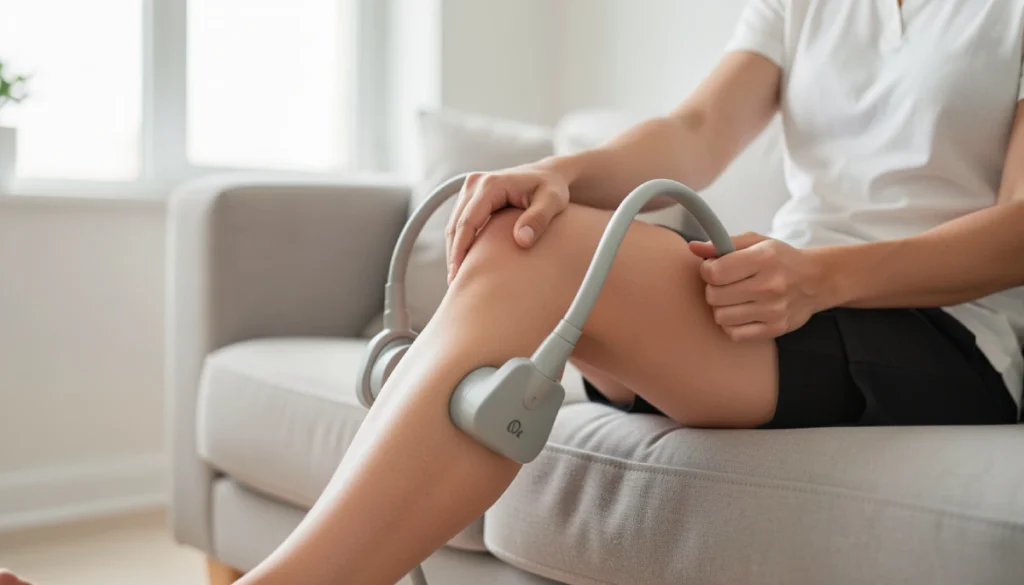
MendWave devices use specialised 7-inch dual-loop applicators that allow users to position electromagnetic coils directly around the treatment area. This design helps focus the pulsed electromagnetic field on muscles, joints, or injured tissues with greater precision than flat mat-style devices.
Adjustable Frequency and Intensity
MendWave devices operate across a 1–100 Hz frequency range, allowing users to select frequencies that align with their specific therapy goals. The system delivers electromagnetic energy at 5–45 Gauss, providing enough intensity to reach deeper tissues while remaining within safe, well-tolerated levels for home use.
Deep Tissue Penetration
The loop configuration allows PEMF signals to pass through multiple layers of tissue, helping support recovery in deeper structures that may not respond well to surface-level treatments.
Portable and Convenient
Unlike large therapy systems, MendWave PEMF devices are compact and easy to use at home. This allows users to incorporate PEMF therapy into their daily wellness routine without needing clinic visits.
Drug-Free Recovery Support
Many people prefer natural approaches to pain management and recovery. PEMF therapy offers a non-invasive, drug-free way to support healing and comfort.
Common Uses for PEMF Therapy Devices
PEMF therapy devices are used by a wide range of individuals seeking support for recovery, comfort, and overall wellness.
Common uses include:
- Joint discomfort, including osteoarthritis-related pain
- Muscle soreness and soft tissue recovery
- Sports and post-exercise recovery
- Back and neck tension
- Bone healing support
- Circulation and microcirculation support
- Relaxation and stress reduction
- Mobility support for ageing joints
Some pet owners also explore PEMF therapy devices to support comfort and mobility in ageing dogs and cats. Published research, including clinical trials on canines with osteoarthritis, has examined the effects of PEMF therapy on animal mobility, with findings suggesting potential benefits for joint function in dogs.
Because PEMF therapy is non-invasive and easy to use, it can be incorporated into regular wellness routines alongside other healthy lifestyle habits.
Is PEMF Therapy Safe?
PEMF therapy has been studied for decades and is generally considered safe when used properly. The technology has a well-documented safety profile, and adverse effects reported in clinical trials have consistently been rare and mild.
In fact, certain PEMF technologies have received FDA clearance for specific medical applications, including supporting bone healing in nonunion fractures. Many home-use PEMF devices are classified as FDA Class I wellness devices, meaning they are considered low-risk when used as directed.
Most PEMF therapy devices operate at low frequencies that mimic natural electromagnetic signals already present in the body. The Earth itself generates a natural electromagnetic frequency known as the Schumann resonance (7.83 Hz), which falls within the range used by many PEMF devices. Because of this alignment with naturally occurring frequencies, the therapy is typically well tolerated by most individuals.
However, PEMF therapy is not appropriate for everyone. You should consult a healthcare professional before using PEMF therapy if you:
- Are pregnant
- Use an implanted electronic medical device (pacemaker, defibrillator, insulin pump, or spinal cord stimulator)
- Have metallic implants in the treatment area
- Take medications delivered through a skin patch
- Have epilepsy or a seizure disorder
It is also worth noting that while many users report noticeable benefits, the scientific evidence for PEMF therapy varies depending on the condition being treated. Some researchers have observed that perceived improvements in certain conditions may be partly influenced by placebo response — particularly for subjective symptoms like pain and stiffness. This does not mean PEMF therapy is ineffective, but it does mean that results can vary from person to person.
Following manufacturer guidelines and recommended usage instructions is important for safe and effective therapy.
How to Use a PEMF Device: Session Guidelines
If you are new to PEMF therapy, establishing a consistent routine is important. While specific protocols may vary by device and condition, published clinical research provides useful guidance:
- Initial treatment phase: 30-minute sessions, twice daily (8–12 hours apart), for the first 6 weeks
- Maintenance phase: 30-minute sessions, once daily, 2–3 days per week thereafter
For general wellness and recovery, many users begin with 20–30 minute sessions once daily and adjust based on their response. MendWave devices allow you to customise both session length and intensity to match your comfort level and goals.
As with any wellness routine, consistency tends to matter more than intensity. Regular short sessions are generally more beneficial than occasional longer ones.
Choosing the Right PEMF Therapy Device
If you are considering purchasing a PEMF device, several factors can help determine which system may be best for your needs.
Targeted vs. Whole-Body Therapy
Individuals seeking support for specific pain areas may benefit more from targeted PEMF devices that concentrate electromagnetic energy on a focused location. Those interested in general wellness and relaxation may prefer full-body mat systems.
Frequency Range
Different PEMF frequencies may support different biological responses. Most research-backed devices operate in the 1–100 Hz range. Devices that offer multiple frequency settings allow users to customise their therapy sessions based on their specific needs — lower frequencies are often used for relaxation and pain management, while higher frequencies may support more active tissue stimulation.
Intensity (Gauss Output)
PEMF intensity is typically measured in Gauss or Tesla (1 Tesla = 10,000 Gauss). For home-use devices, most peer-reviewed research has been conducted in the 3–12 Gauss range, though some therapeutic-grade devices deliver higher intensities for deeper tissue penetration.
When comparing devices, it is important to note that manufacturers may report either peak or average output, and readings can vary depending on measurement distance from the device surface. A device rated at a higher Gauss number is not necessarily more effective if the measurement basis differs.
Ease of Use
A device that is simple and convenient to use is more likely to be used consistently. Portable designs make it easier to incorporate PEMF therapy into daily routines.
Reliability and Build Quality
Choosing a well-designed device ensures consistent performance and long-term durability. Look for devices with clear specifications, published safety information, and responsive customer support.
MendWave PEMF therapy devices are designed with these considerations in mind, making them a practical option for individuals looking to experience the potential benefits of targeted PEMF therapy at home.
Frequently Asked Questions
Is PEMF therapy FDA approved?
Certain PEMF devices have received FDA clearance for specific medical applications, including bone healing (nonunion fractures) and post-operative pain management. Most home-use PEMF devices are marketed as general wellness tools and are classified as FDA Class I devices, indicating they are considered low-risk when used as directed.
How often should I use a PEMF device?
Clinical research has used protocols of 30-minute sessions, twice daily for an initial treatment period of 6 weeks, followed by a maintenance phase of 30-minute sessions several times per week. For general wellness, many users start with one 20–30 minute session daily and adjust based on their individual response.
What is the difference between PEMF and TENS therapy?
PEMF (Pulsed Electromagnetic Field) therapy uses electromagnetic pulses to influence cellular activity and support the body’s natural healing processes at a cellular level. TENS (Transcutaneous Electrical Nerve Stimulation) uses electrical currents applied through skin-surface electrodes primarily to block pain signals. PEMF is generally used for deeper tissue support and recovery, while TENS is more commonly used for short-term, surface-level pain relief.
Can PEMF therapy help with arthritis?
Research on PEMF therapy for osteoarthritis, particularly of the knee, has shown promising results in reducing pain and improving joint function. Osteoarthritis affects an estimated 22.9% of adults over 40 worldwide. While PEMF therapy is not a cure, it may serve as a supportive tool for managing arthritis-related discomfort alongside other treatments recommended by your healthcare provider.
Are there any side effects?
PEMF therapy is generally well tolerated. In clinical trials, adverse effects have been consistently reported as rare and mild. Some users may experience temporary warmth or tingling at the treatment site. People with pacemakers, insulin pumps, other implanted electronic devices, or those who are pregnant should consult a healthcare provider before use.
Can I use PEMF therapy alongside other treatments?
PEMF therapy is often used as a complementary approach alongside conventional treatments. In clinical studies, participants have typically continued their usual care while using PEMF devices. However, it is always advisable to discuss any new therapy with your healthcare provider, especially if you are managing a specific medical condition.
Experience the Benefits of MendWave PEMF Therapy
Pain, stiffness, and slow recovery can make it difficult to enjoy everyday activities. Whether it’s exercise, spending time outdoors, or simply moving comfortably throughout the day, physical discomfort can limit quality of life.
MendWave PEMF therapy devices are designed to provide targeted electromagnetic therapy that supports the body’s natural healing process.
By delivering focused PEMF signals through specialised dual-loop applicators — at adjustable frequencies of 1–100 Hz and intensities of 5–45 Gauss — MendWave helps support recovery, comfort, and improved mobility where you need it most.
If you’re looking for a natural, non-invasive way to support healing and wellness, MendWave PEMF therapy devices may help you get back to feeling better and enjoying the activities that matter most.

Mia Saunders
Mia writes health, lifestyle, and wellbeing content with a careful, reader-first approach that never blurs fact and general guidance. She favors understandable language and sensible context over sweeping claims, treating her readers as capable of handling the distinction. Her pieces are calm, clear, and genuinely useful.
View all articles →Get the Weekly Brief
The best guides and stories, delivered every Sunday.