

Table of Contents
Starting powerlifting is exciting. But safety should always come first. Whether you’re new or experienced, knowing how to lift right helps prevent injuries.
This article shares powerlifting tips to keep you strong and safe. If you’re serious about training, use these tips to build strength while avoiding harm.
Keep reading to learn six important ways to stay safe.
Warm Up Before Every Workout
Warming up helps your muscles get ready. Start with light cardio like walking or cycling. Then do stretches that target your shoulders, hips, and back.
Add light lifting sets before your heavy lifts. This increases blood flow and reduces stiffness. A good warm-up helps prevent muscle pulls and joint pain.
Use Proper Form Every Time
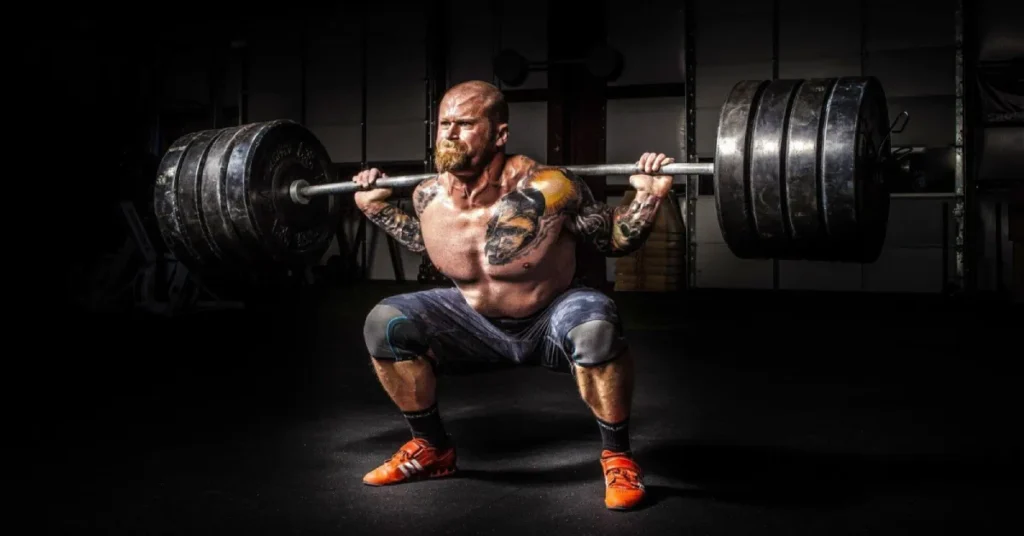
Always check your posture when lifting. A straight back and a tight core are key. Don’t rush your reps or use momentum. Move slowly and stay in control of each lift.
If you are unsure of your form, get guidance from certified programs like ASFA’s Olympic & Powerlifting Certification. Training the right way reduces stress on your joints and spine.
Start with Light Weights
It’s tempting to lift heavy right away. But it’s better to start small. Focus on learning the movement first. Once your form is good, you can add more weight.
Going too heavy too soon can lead to injury. Take your time and build up slowly.
Use Safety Equipment
Support gear helps protect your body. Wear a lifting belt during heavy squats or deadlifts. Wrist wraps or knee sleeves can give extra support. Use safety bars when bench pressing or squatting.
These tools don’t replace good form, but they add another layer of protection. Make sure your equipment fits well and is in good shape.
Listen to Your Body
Pain is not a sign of progress. It’s a warning. If something hurts, stop lifting and rest. Don’t ignore soreness that lasts more than a few days. Take breaks when you need them. Rest is part of your training, too.
Train with a Spotter or Supervisor
Never lift heavy objects without help nearby. A spotter can guide your form and catch mistakes. They can also step in if you get stuck. Having someone watch you adds safety.
If you train alone, use equipment that can catch the weight if needed. Training safely means not lifting alone when doing max effort sets.
Stay Consistent with Recovery
Recovery is just as important as lifting. Your muscles need time to heal and grow. Make sure you get enough sleep every night. Eat healthy foods that support muscle repair.
Stretch or use foam rollers on rest days to reduce tightness. A steady recovery routine helps prevent overuse injuries and keeps you lifting longer.
Avoid Overtraining
Training too much can do more harm than good. Your body needs time to recover between sessions. Lifting heavy every day increases the risk of injury.
Watch for signs like fatigue, poor sleep, or sore joints. Take rest days and follow a smart workout plan. Balancing work and rest keeps you strong and healthy.
Follow These Safety Tips for Powerlifting to Prevent Injuries
Powerlifting is a powerful way to grow stronger. But safety must always come first. Follow these powerlifting tips to avoid injuries and make progress.
Stick to good habits and be patient. The results will come with time. Safe lifting leads to better gains.

Sebastian Ford
Sebastian writes technology, finance, and business content focused on explaining systems and services clearly. He gives readers enough context to understand both the immediate basics and the wider picture behind a trend. His pieces work well as a first, dependable read on an unfamiliar subject.
View all articles →Get the Weekly Brief
The best guides and stories, delivered every Sunday.