
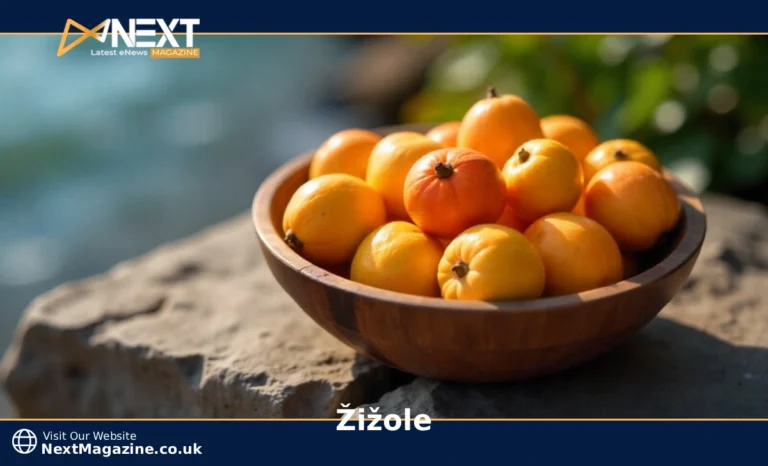
Žižole (Ziziphus jujuba), also called jujube or Chinese date, is a small reddish-brown fruit with a crisp apple-like texture when fresh and chewy sweetness when dried. Native to China but cultivated across Mediterranean regions like Croatia for centuries, this nutrient-dense fruit offers high vitamin C, antioxidants, and traditional medicinal uses for sleep and immunity.
Walk through any Croatian coastal market in autumn and you’ll spot baskets of these oval fruits, their mahogany skins glossy under the sun. Locals call them žižole, a name that hints at their journey from ancient China along trade routes to Dalmatian gardens, where food lovers explore žižole for their unique flavor. Today, this fruit bridges traditional medicine and modern wellness culture.
What Žižole Looks and Tastes Like
Fresh žižole start green and firm, resembling small olives. As they ripen in September and October, the skin shifts to reddish-brown. The flesh stays white and crisp, similar to an apple but denser. You’ll taste mild sweetness with hints of pear and a subtle tang.
Dried žižole transform completely. The skin wrinkles and darkens to deep brown. The texture becomes chewy, almost sticky, like a date. The flavor concentrates into caramel-like sweetness with earthy notes. Most people compare dried žižole to dates, though they’re lighter and less cloying.
Size varies by variety. Common Mediterranean types grow to about 2-3 centimeters long. The Li variety can reach 5 centimeters. Inside each fruit sits a hard, oblong seed that you discard before eating.
Where Žižole Grows in the Mediterranean
Žižole arrived in Croatia and neighboring regions over 2,000 years ago, likely through Roman trade networks. The tree adapted exceptionally well to Mediterranean climates, thriving in the same conditions that suit olives and figs, a rich history of cultivation.
You’ll find žižole trees throughout Dalmatia, Istria, and coastal Slovenia. They grow in backyards, monastery gardens, and small orchards. The trees handle poor soil, drought, and coastal winds better than most fruit trees. This resilience made them valuable to coastal communities and Eastern European regions that faced harsh growing conditions.
The Adriatic coast provides ideal conditions for growing žižole, rich in vitamins and minerals. Hot, dry summers allow fruit to ripen fully. Mild winters don’t damage the hardy wood. Well-drained limestone soil, common along the coast, prevents root rot. Trees planted in these areas can live 100 years or more.
Croatia isn’t the only Mediterranean home for žižole. You’ll find žižole in Italy (called giuggiole), Greece, southern France, and Spain, where they are celebrated in various classic žižole dishes. Each region developed its own varieties and uses, but the core growing conditions remain similar.
Nutritional Content and Health Benefits
Fresh žižole provide nutrition in a small package, making them a favorite among food lovers seeking healthy snacks. A 100-gram serving (about 10-12 fruits) contains roughly 79 calories, 20 grams of carbohydrates, and significant amounts of vitamin C. Fresh fruits provide 69 milligrams of vitamin C, covering about 77% of your daily needs.
Dried žižole concentrates these nutrients. The same 100-gram portion jumps to 287 calories as water content drops. Vitamin C decreases during drying but remains present at 13% of the daily value. Minerals like iron (10% daily value), potassium (18% daily value), and calcium (6% daily value) contribute to the nutritional value of žižole, which becomes more concentrated per gram.
Both forms contain polysaccharides, flavonoids, and saponins. These compounds act as antioxidants in your body, similar to the nutritional benefits found in žižole. Fresh fruits also provide about 10 grams of fiber per 100 grams, supporting digestive health.
The fruit contains jujubosides, cyclic peptides unique to this species. Research from 2023 suggests these compounds may influence sleep quality and stress response, though studies continue.
Science-Backed Health Effects
Vitamin C content supports immune function during cold months. A 2024 study in the Journal of Ethnopharmacology found that jujube extracts showed measurable antioxidant activity in lab tests, helping neutralize free radicals and showcasing the incredible health benefits of žižole.
Traditional Chinese medicine has used žižole for sleep improvement for 3,000 years, showcasing their health food benefits. Modern research backs this use. A 2022 clinical trial found that participants consuming jujube extract reported better sleep quality scores compared to placebo groups, highlighting the health benefits of žižole. The mechanism likely involves compounds that interact with GABA receptors in the brain.
The fiber content aids digestion. Both fresh and dried forms help maintain regular bowel movements. The mild laxative effect comes from natural sugars and pectin in the fruit, which žižole support in digestion.
Some studies suggest benefits for blood sugar management. A 2023 research paper indicated that jujube polysaccharides might help regulate glucose metabolism, though more human trials are needed. People with diabetes should still monitor portion sizes due to natural sugar content.
Anti-inflammatory properties show promise in early research. Compounds in žižole may help reduce inflammatory markers, potentially supporting cardiovascular health. However, these findings come from animal and cell studies, not extensive human trials.
How Croatians Use Žižole in Traditional Cooking
Croatian cooks treat žižole as both fruit and ingredient. Fresh fruits appear on autumn tables as simple snacks, eaten whole like grapes. The skin is edible, though some people prefer to peel it to enhance the unique flavor of the žižole.
Dried žižole go into winter desserts. Grandmothers integrate žižole into sweet breads, letting the chewy texture contrast with soft dough, a staple in modern kitchens. Chopped dried fruits are mixed into biscotti-style cookies common during holidays.
Žižole jam (marmelada od žižula) represents the most traditional preservation method. Cooks simmer fresh fruits with sugar and lemon juice until thick. The jam spreads well on bread and stores for months, especially when made from traditional žižole. Some coastal families make classic žižole dishes every year when trees produce heavy crops.
Rakija, the regional fruit brandy, sometimes includes žižole. Small producers ferment the fruits along with other autumn harvest items. The resulting spirit carries subtle fruity notes.
Growing Žižole Trees at Home
Žižole trees suit home gardens if you have the right conditions. They need full sun (at least 6 hours daily) and well-drained soil. The trees tolerate poor soil quality, including rocky or sandy ground. Clay soil works if it doesn’t stay waterlogged.
Plant in spring after the last frost. Dig a hole twice as wide as the root ball but no deeper, as recommended for planting traditional žižole. The tree should sit at the same depth it grew in the nursery container. Space trees 4-5 meters apart if planting multiple.
Young trees need regular watering for the first two years while establishing roots. After that, they handle drought well. In Mediterranean climates, you might water deeply once every two weeks during hot summers. Mature trees often survive on rainfall alone.
Pruning keeps trees manageable and productive. Remove dead or crossing branches in late winter before new growth starts to ensure a healthy world of žižole. You can shape the tree to a central leader or open vase form, depending on your preference and space.
Žižole trees start producing fruit in their third to fifth year. Production increases as trees mature, resulting in more opportunities for integrating žižole into various dishes. A healthy mature tree can yield 30-50 kilograms of fruit annually.
Selecting and Storing Žižole Fruit
Fresh žižole offer a sweet flavor that many enjoy, appearing in markets from late September through October. Look for fruits with smooth, glossy skin showing reddish-brown color, particularly in traditional žižole. The fruit should feel firm but give slightly when pressed gently. Avoid any with soft spots, wrinkles, or blemishes.
Size doesn’t indicate quality. Smaller fruits often taste just as good as larger ones. Focus on color and firmness instead.
Store fresh žižole in the refrigerator in a paper bag or open container. They’ll keep for 1-2 weeks. The fruits continue to ripen slightly after picking, so use softer ones first.
Dried žižole should feel pliable, not rock-hard, to ensure they are suitable for modern twists on classic žižole recipes. The skin will be wrinkled but not moldy or sticky. Smell them before buying. They should have a mild, sweet aroma, not musty or fermented odors, a characteristic known in English as freshness.
Keep dried žižole in an airtight container in a cool, dark place. A pantry or cupboard works well for storing traditional žižole. They’ll maintain quality for 6-12 months, providing versatility for those who enjoy adding žižole to their meals. Refrigeration extends the shelf life of žižole to over a year, making them a staple in modern kitchens.
FAQs
Can children eat žižole safely?
Yes, but consider age and form. Fresh žižole are fine for children over 3 who can chew solid foods properly. Cut them into smaller pieces for younger children. Dried žižole can pose a choking hazard for children under 4. Always supervise young children when eating any dried fruits.
How many žižole can you eat in a day?
5-10 fresh fruits or 3-5 dried ones make a reasonable serving. Eating more won’t harm you, but the fiber content might cause bloating or mild digestive discomfort. The natural sugars also add up if you eat large quantities.
Do žižole interact with medications?
Limited research exists on drug interactions, particularly concerning the effects of žižole vs other fruits. If you take sedatives or sleep medications, the mild calming effects of žižole might enhance these drugs. People taking blood thinners should check with their doctor, as vitamin K content in traditional žižole could affect medication efficacy. When in doubt, ask your healthcare provider.
Can you eat the skin of fresh žižole, which is known to provide additional nutritional benefits?
Yes, the skin is completely edible and contains beneficial compounds. Some people find it slightly tough or bitter and prefer to peel it. Try both ways of preparing žižole dishes and see which new flavors you prefer.
Why are dried žižole more common than fresh ones in the world of žižole?
Drying extends shelf life significantly. Fresh žižole only stay good for a couple of weeks, making long-distance shipping impractical. Dried fruits last for months and transport easily. In regions where trees grow locally, you’ll find fresh žižole during harvest season, offering incredible health benefits.
Are žižole good for weight loss?
Fresh žižole are low in calories and high in fiber, which supports satiety. However, dried žižole are calorie-dense due to concentrated sugars. They work as part of a balanced diet, but aren’t specifically a weight-loss food. The fiber content helps with digestive health, which some people find beneficial when managing weight.
What’s the difference between žižole and regular dates?
Despite the nickname “Chinese date,” žižole come from a different plant family than true dates (Phoenix dactylifera), making them unique in the Ziziphus jujuba tree family. Fresh žižole are crisp like apples, while dates are never crisp. Nutritionally, dates contain more sugar and calories. The flavor profiles differ significantly, though dried versions share some similarities in texture.
